

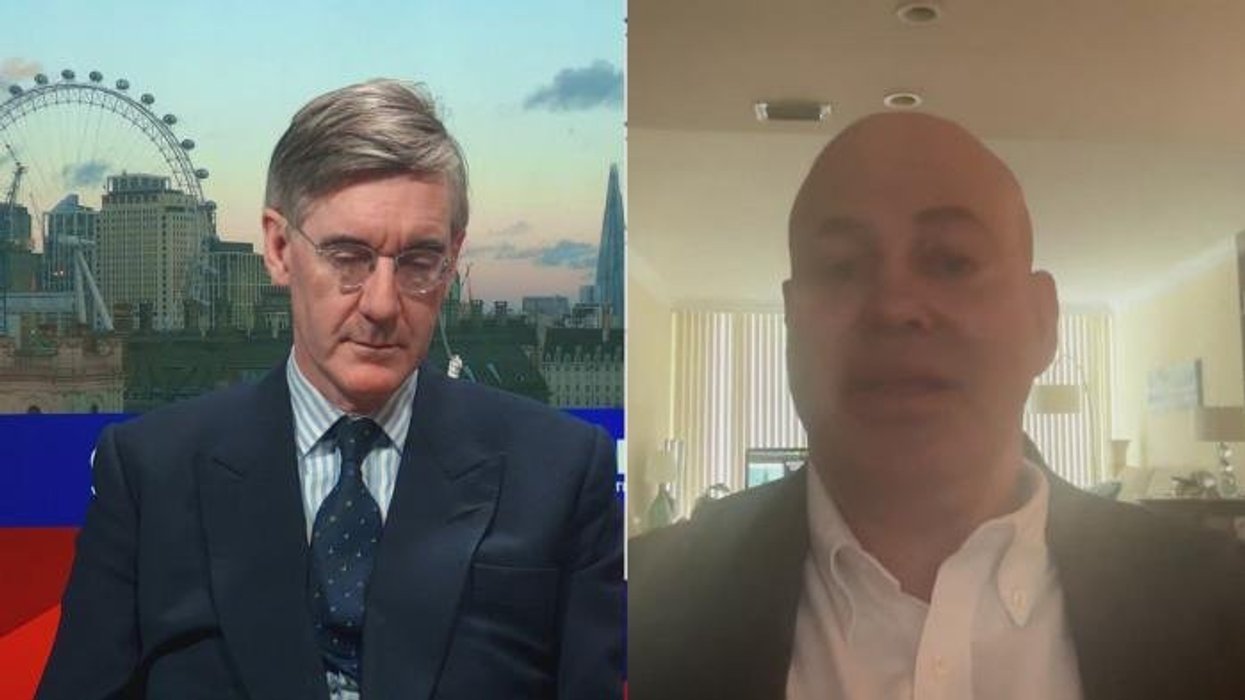









America is ready for deeper intelligence cooperation with Britain — the serious, trust-based partnership that matters when the world gets dangerous — but there are growing concerns in Washington about whether that can fully proceed under the current government.
Sir Keir Starmer’s first instinct when Donald Trump called for stronger allied resolve in the Strait of Hormuz was to emphasise caution and avoid immediate escalation, stressing that Britain should not be "drawn into a wider war".
That moment of hesitation told many in Washington what they needed to know about the current Government’s instincts.
Even as the story has shifted to drone plans and summit offers, the pattern looks familiar.
TRENDING
Stories
Videos
Your Say
On the very day Reform UK laid out its defence vision — three per cent of GDP, more troops, and full North Sea energy development — the contrast could not be clearer.
Perceived weakness invites distance. Real backbone earns respect and deeper partnership.
Sir Keir began by resisting calls for immediate naval escalation.
He reached for legal frameworks and stressed this was not a Nato mission.
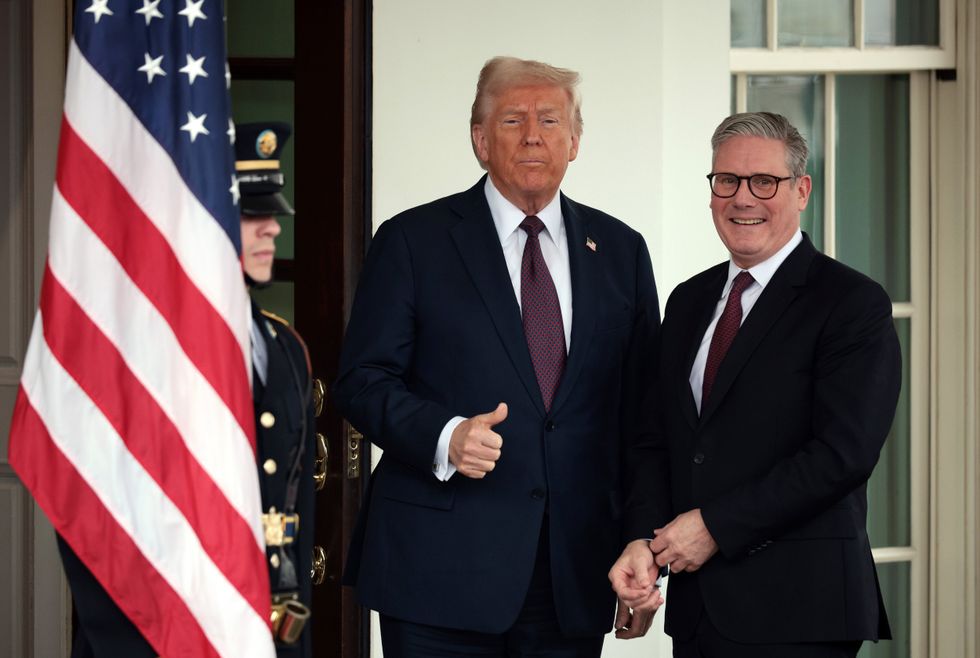
Donald Trump and Sir Keir Starmer have grown further apart following a row over Iran
|GETTY
Reports of leaks from closed national security discussions only compounded the problem, risking undermining confidence among allies and prompting further scrutiny inside Whitehall.
At a time of heightened threats to shipping in the strait — a critical artery for global energy that directly affects British fuel prices — the initial response from Downing Street was caution, delay, and careful calibration to avoid overcommitment.
Now, we hear the Royal Navy may lead with a “mothership” launching mine-hunting drones, with Type 45 destroyers potentially following, alongside an offer to host a multinational summit.
On paper, it sounds constructive. But the question remains: why the hesitation in the first place?
LATEST DEVELOPMENTS
This is the same Labour Government that promised to smash the grooming gangs and stop the boats.
Instead, small boat crossings remain at historically high levels, with recent data showing sustained pressure on the system.
The gangs that preyed on vulnerable British girls for years still cast a long shadow, and the Prime Minister's record continues to draw criticism from some quarters for the institutional caution of that era.
British families watch this and see a familiar pattern: hesitation where decisiveness is needed — whether on the streets, at the border, or on the world stage alongside America.
As an American, I hardly need to remind Britons of the mounting costs. Higher energy bills when global markets tighten.
Strains, however subtle, in trust with your most important ally. And a lingering sense that post-Brexit Britain is still behaving as though it needs permission rather than acting with full confidence as an independent power.
Contrast that with Reform’s plan. A three per cent defence spending target. A significant expansion of troop numbers.
An end to the distractions that critics argue are weakening military focus. And maximum development of North Sea oil and gas to strengthen Britain’s long-term energy security and resilience in volatile global markets.
That is sovereignty in action — not summits after days of hesitation, but a strategy that puts British capacity and interests first from the outset.
The polls are shifting. Reform is surging, with some surveys putting it ahead of the traditional parties. Voters can see the difference between reactive caution and confident direction.
They remember Brexit. They value independence. And they want a Britain that commands respect in Washington, not one that appears overly cautious in moments that demand clarity.
Washington understands this. Serious alliances are built on reliability and shared resolve. Existing Five Eyes cooperation will, of course, continue.
But the depth, speed, and ambition of that partnership ultimately depend on political will. Where governments project strength early, cooperation tends to deepen. Where they hesitate, it inevitably slows.
The May local elections are becoming more than council contests. They are a test of whether Britain is prepared to move beyond this pattern — on borders, on law enforcement, on energy, and on standing shoulder-to-shoulder with a strong America.
Labour's handling of the Hormuz question – from early caution to more active proposals – reflects a broader governing instinct that many voters are now questioning.
Britain still has the ships, the people, the resources, and the alliance. What it lacks is consistent political will.
The signal from Washington is increasingly clear: the door to a deeper, revitalised partnership remains open — but it depends on whether Britain chooses to project strength from the start. On May 7, voters have a chance to begin sending that message.