









The International Olympic Committee's decision to introduce mandatory genetic sex testing for all women competitors has come under fire by human rights groups.
New IOC president Kirsty Coventry announced the guidelines on Thursday, marking a dramatic reversal of the organisation's position since it abandoned compulsory sex testing in 1999.
That earlier policy was scrapped after being deemed arbitrary, inaccurate, costly and discriminatory.
The fresh rules also contradict the IOC's own 2021 Framework on Fairness, Inclusion, and Non-Discrimination, which was developed through extensive consultation and research emphasising evidence-based, sport-specific approaches that respected athletes' rights.
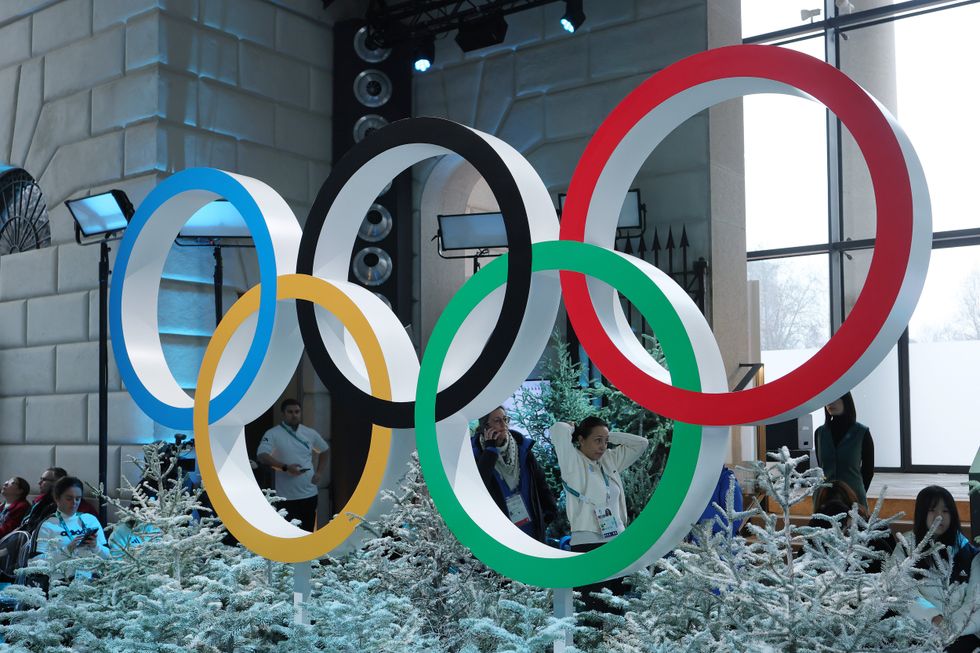 The IOC have banned transgender athletes from female sports at the Olympics | GETTY
During a press conference, Coventry stated that all female competitors would be tested for the SRY gene, a method multiple medical experts have described as unreliable and overly simplistic.
More than 100 human rights, sports and scientific organisations, including the United Nations, have condemned the new policy as discriminatory and lacking scientific foundation.
Critics argue the guidelines breach international human rights law.
Professor Paula Gerber, an international human rights lawyer at Monash University, said: "Mandatory genetic sex testing and rigid biological criteria as a condition for participation in the women's category violates fundamental and universal human rights … including the right to equality, non-discrimination, dignity, privacy, and bodily autonomy."
She added that binary definitions of sex reinforce harmful stereotypes and undermine progress towards genuine gender equality.
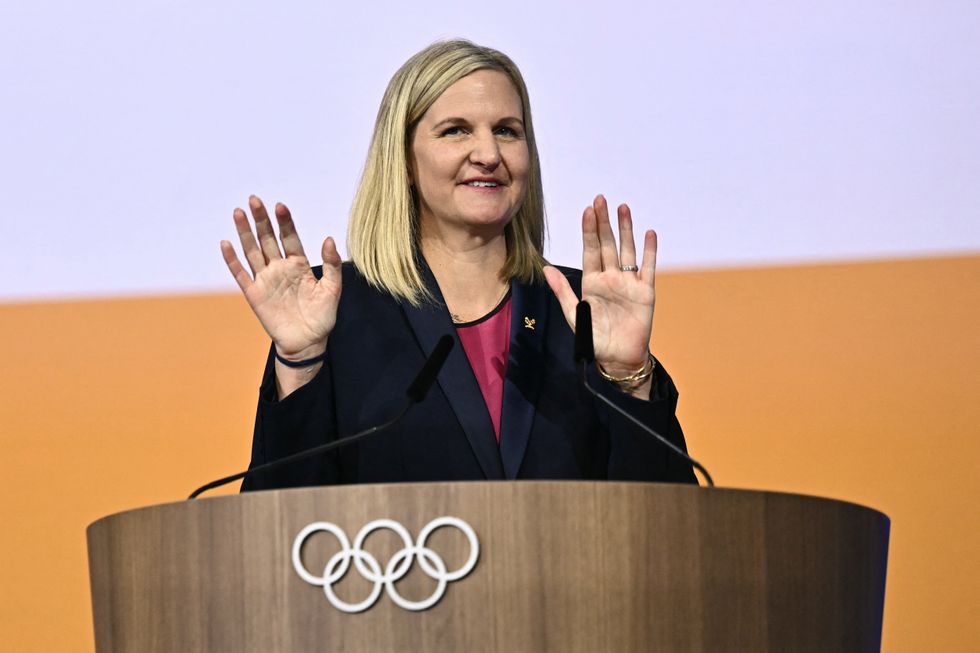 The new policy was confirmed by IOC president Kirsty Coventry | GETTY
The professor emphasised that any athlete testing must be individualised and grounded in evidence rather than arbitrary or degrading.
The committee responsible for developing the guidelines has not publicly released the scientific data the IOC claims underpins its position.
Dr Ada Cheung, a professor of endocrinology at the University of Melbourne, warned the IOC's approach risks undermining evidence-based policy and athlete wellbeing whilst distracting from genuine priorities in women's sport.
She noted that the best available research demonstrates transgender women on hormone therapy show no meaningful differences from cisgender women in key performance measures including muscle mass, strength and cardiorespiratory fitness.
"This represents a return to practices that were abandoned decades ago for good reason," Dr Cheung said.
Human rights lawyer and former Olympic swimmer Nikki Dryden cautioned the rules would affect every girl in Australian sport, potentially subjecting children to sex testing simply to participate.
She warned the guidelines conflict with Australia's Sex Discrimination Act, the National Integrity Framework and child safeguarding obligations, exposing organisations to serious legal risks.
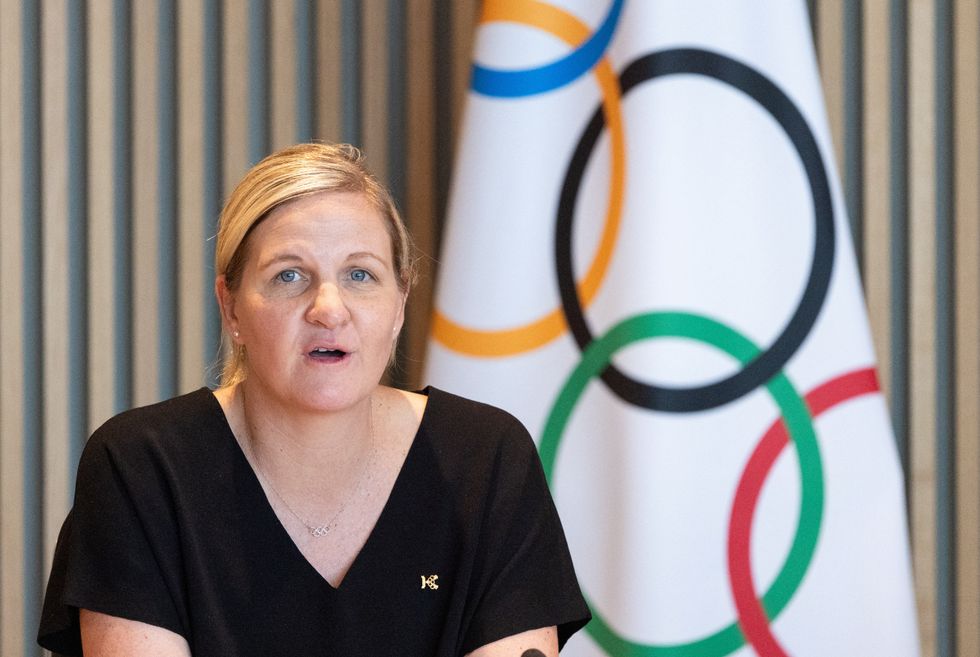 New IOC president Kirsty Coventry has vowed to protect the female category | Reuters
Despite the widespread criticism, Australian Olympic officials have backed the IOC's decision.
Australian Olympic Committee president Ian Chesterman expressed support for the new framework, offering counselling to affected athletes.
"Without doubt, this is a challenging and complex subject and at the AOC we approach it with empathy and understanding," Chesterman said.
"This decision provides clarity for elite female athletes who compete at the highest level and demonstrates a commitment to fairness, safety and integrity in Olympic competition."
Anna Meares, Australia's chef de mission for the 2028 Los Angeles Games, praised the IOC for taking the lead on the matter.
"The IOC ruling today protects female athletes at the highest level of competition, ensuring it remains safe and fair," Meares said, whilst acknowledging the pain the decision would cause some athletes.