









The Sydney Opera House has found itself at the centre of a major row after unveiling plans to change its iconic exterior.
The world-famous landmark is proposing a slew of new accessibility changes - which critics have already panned as "nanny state".
A proposal to install handrails on the venue's Monumental Steps has sparked particular controversy.
The outdoor staircase leading to the iconic building currently lacks handrails in its centre section.
Opera House officials plan to trial the additions to improve accessibility for visitors - but the New South Wales Heritage Council's approval committee voted against the project at a December meeting.
"(The handrails would) have adverse impacts on the exceptional significance of the Monumental Steps and the setting of the Sydney Opera House as an item of local, state, national and world heritage significance," the committee stated in its opposition.
Disability campaigners, however, have welcomed the plans.
Australian Disability Network chief executive Amy Whalley has backed the Opera House's decision, saying a "universal design" is a "win for everybody".
"We have seen it used all over the world to make changes at other significant heritage sites, it gives access to far more people while still maintaining the heritage value of the place," Ms Whalley added.
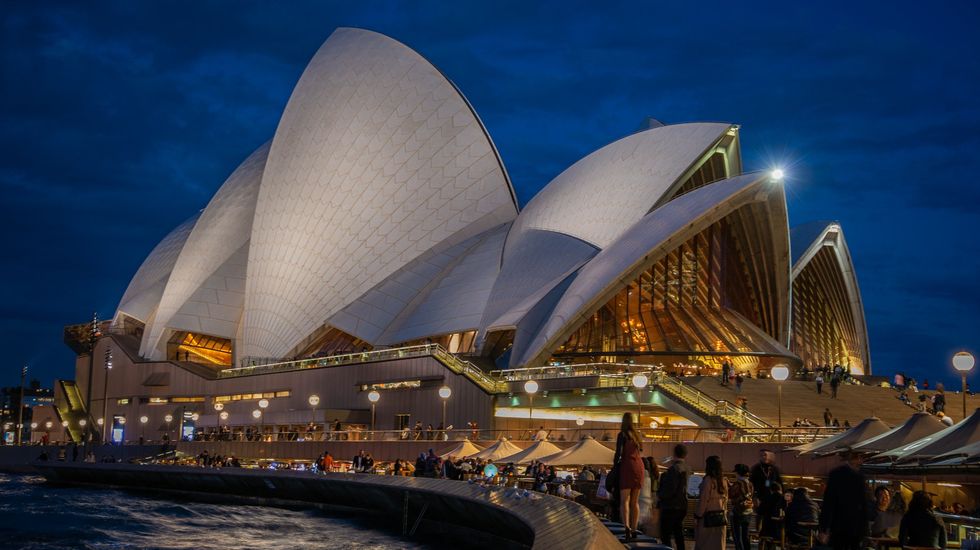
The proposal would see new handrails placed along the venue's Monumental Steps (right)
|WIKIMEDIA COMMONS
The Opera House has stated it wants to "provide barrier-free access, making the site, building and the experiences we offer accessible to all".
People with mobility issues currently must use lifts to reach foyers and theatres, bypassing the famous steps entirely.
Sydney architect Andrew Andersons, who worked on upgrades to the Opera House forecourt and its neighbouring Circular Quay in the 1980s, has voiced concern that the project would diminish Danish architect Jorn Utzon's original vision.
"When you think of other landmarks around the world - the Helsinki Cathedral, the Spanish Steps in Rome - they don't have handrails. Why does the Opera House need them?" he told the Sydney Morning Herald.
READ MORE FROM AUSTRALIA:
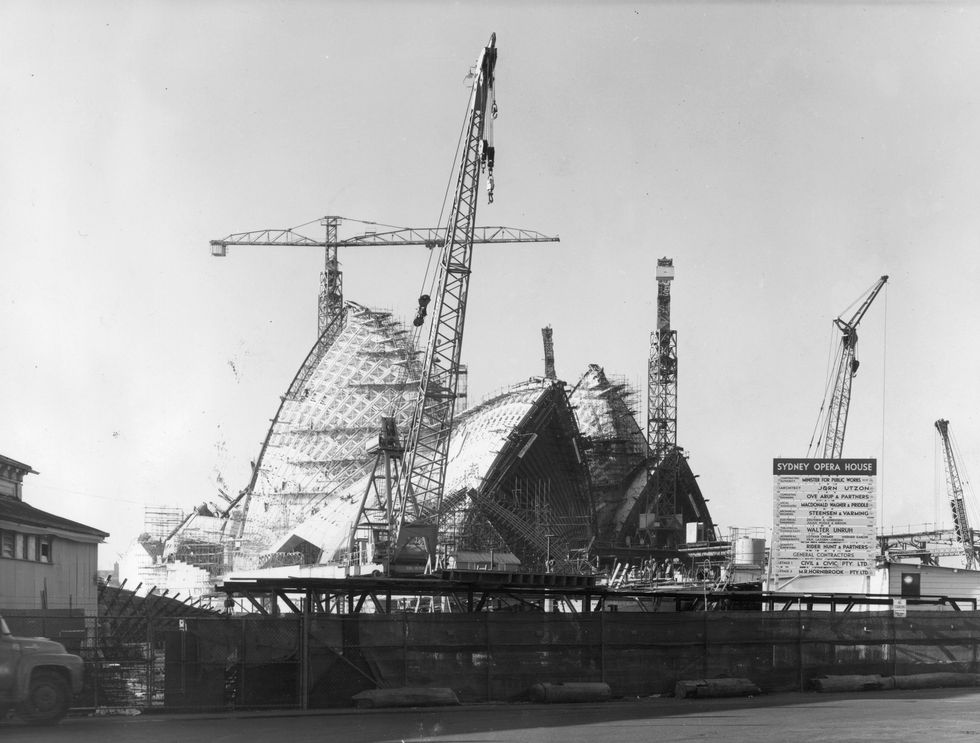
PICTURED: Construction of the shell-shaped roof of the Sydney Opera House in December 1963
|GETTY
"I think it's just another manifestation of Australia becoming a nanny state and part of our ideological problem of tinkering with everything in the name of ticking some sort of box.
"No matter how well you design or detail the handrails, they won't be any good because they weren't in the original design and don't belong there."
Achieve Australia chief executive Joanne Hewitt has argued the Opera House was designed as a public space that should be accessible to everyone.
"They run some amazing, accessible programs for people with disability and older people, so it is really important we can all safely access the beautiful building," she said.
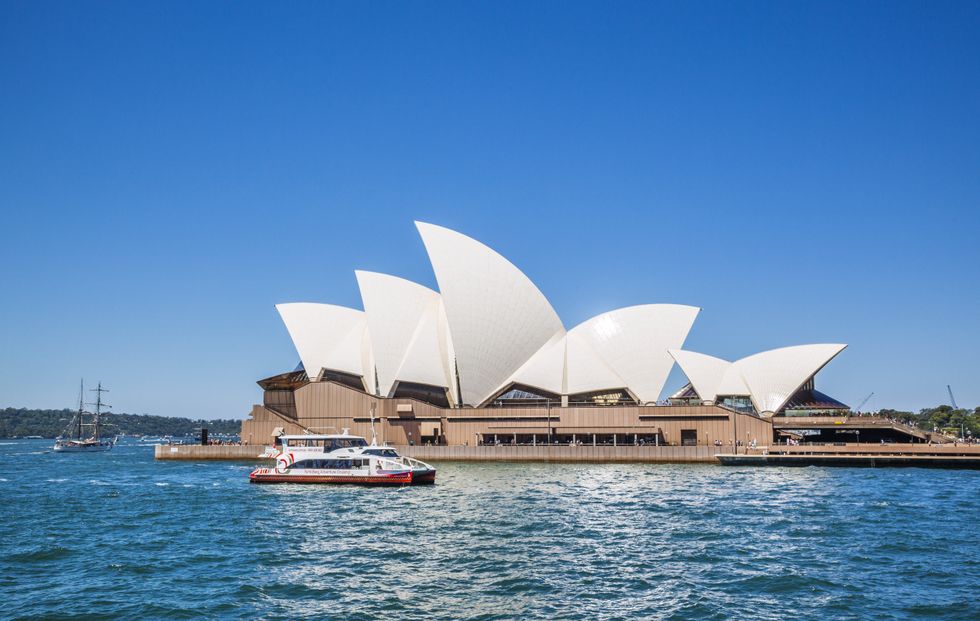
Achieve Australia chief executive Joanne Hewitt has argued the Opera House was designed as a public space that should be accessible to everyone
|GETTY