








I speak to homeowners every week who tell me the same thing: “We’ve outgrown this place - but we just can’t face selling.”
Often, it’s not that they don’t want to move. It’s that they don’t trust the process. New analysis of UK housing data helps explain why.
Research commissioned by Santander UK suggests that around 530,000 property transactions fall through every year in England and Wales, often after months of waiting, chasing and emotional investment.
That’s not a small glitch in the system. That’s a structural problem. When more than half a million sales collapse annually, it’s no wonder people hesitate.
TRENDING
Stories
Videos
Your Say
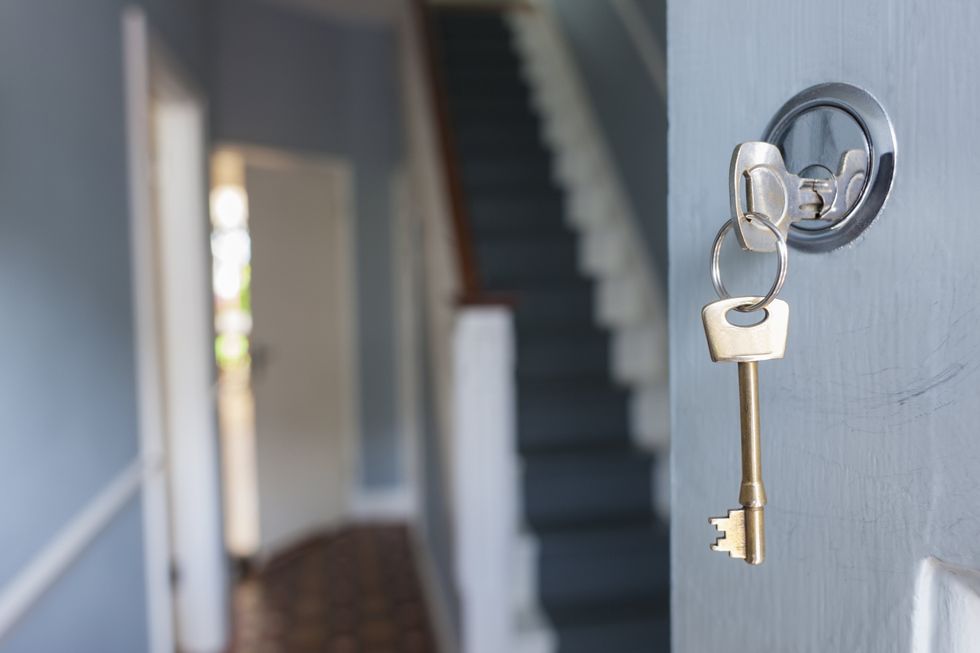
More and more people are staying in homes that no longer suit them
|GETTY
The traditional open-market route asks a lot of sellers. Prepare the house. Keep it spotless. Host viewings at short notice. Leave for surveys. Negotiate. Wait.
Then wait some more. And even after accepting an offer, there can be weeks or months of uncertainty.
Chains make it worse. One buyer pulls out three properties down the line, and the whole thing unravels.
Mortgage issues, survey renegotiations, cold feet, all can derail a transaction late in the process. Many sellers have experienced it once and simply don’t want to risk it again.
Financial pressure adds another layer of anxiety. Estate agency fees, conveyancing costs and other expenses can total thousands of pounds, and some costs may still apply even if the sale doesn’t complete. That creates a feeling that selling isn’t just stressful, it’s financially exposed.
In my role as spokesperson for the National Association of Property Buyers, I often say this: homeowners are not avoiding moving, they’re avoiding a process that feels slow, uncertain and emotionally draining.
And in today’s market, where chains can be long and confidence fragile, that hesitation is understandable.
LATEST DEVELOPMENTS
The tragedy is that people are staying in homes that no longer suit them. Growing families remain squeezed for space. Downsizers delay simplifying their lives. Relocators postpone new opportunities.
Not because they don’t want change, but because they fear the fallout if things go wrong.
That doesn’t mean selling is impossible or doomed to fail. It does mean sellers need to approach the process strategically and realistically.
Certainty, clarity and preparation matter more than ever. Whether you choose the traditional route or explore alternative selling options, the key is reducing the unknowns.
If you are thinking about selling but feel paralysed by the risk, start by tightening up the things you can control.
Here are my five ways to reduce the risk of a failed sale:
1. Do your homework early
Before your property hits the market, gather key documents: guarantees, planning permissions, building regulation certificates and indemnity policies. Delays often stem from missing paperwork.
2. Choose the right agent, not the highest valuation
An inflated valuation may win your instruction, but it won’t necessarily win buyers. Look for an agent with proven experience in your local market and property type.
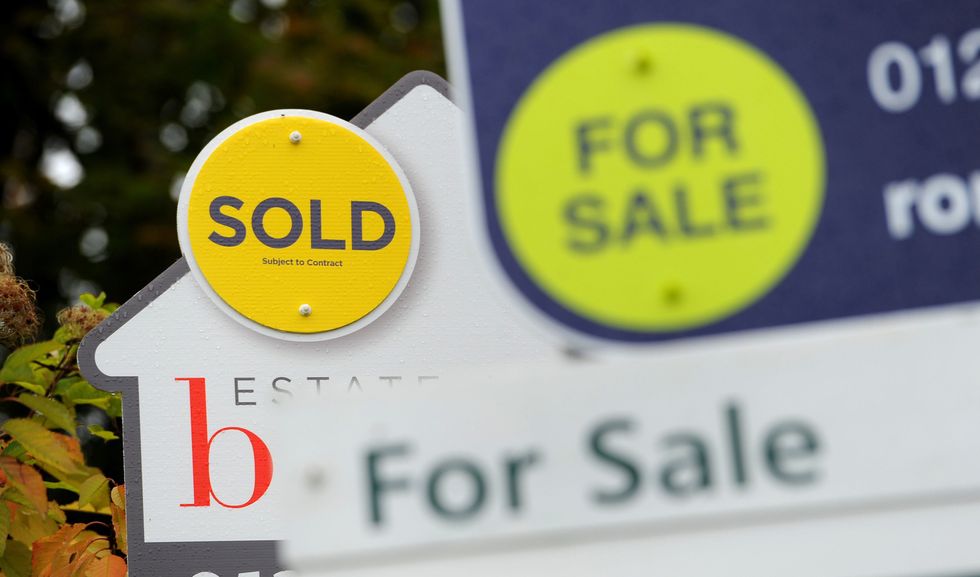
Sensible pricing drives stronger, more profitable interest
| PA3. Price realistically from day one
Testing the market with an ambitious price can attract less committed buyers and increase the risk of renegotiation later. Sensible pricing drives stronger, more profitable interest.
4. Stay flexible where possible
Flexibility around viewing times, timelines and negotiations can help maintain momentum and reduce drop-out risk.
5. Keep communication constant
Regular updates and quick responses to queries keep buyers reassured and engaged. Silence creates doubt, and doubt kills deals.
Our Standards: The GB News Editorial Charter