









A crucial steel arch protecting Chernobyl's destroyed reactor can no longer perform its core safety role, the UN's nuclear watchdog has revealed.
Damage from a "kamikaze" drone strike on February 14 left the massive structure unable to fulfil its essential containment function.
The International Atomic Energy Agency, the UN's nuclear watchdog, finished its safety review of the site last week - and its inspectors found the attack caused a fire in the outer cladding of the steel shell.
Limited temporary repairs have been made to the roof - though the agency confirmed load-bearing structures and monitoring systems avoided permanent damage.
IAEA chief Rafael Mariano Grossi said: "Timely and comprehensive restoration remains essential to prevent further degradation and ensure long-term nuclear safety."
No rise in radiation levels has been recorded outside the shield since the Russian strike.
The IAEA said it would continue supporting efforts to "fully restore nuclear safety and security".
The New Safe Confinement, which straddles the roof of the plant, is the largest movable land-based structure ever built.
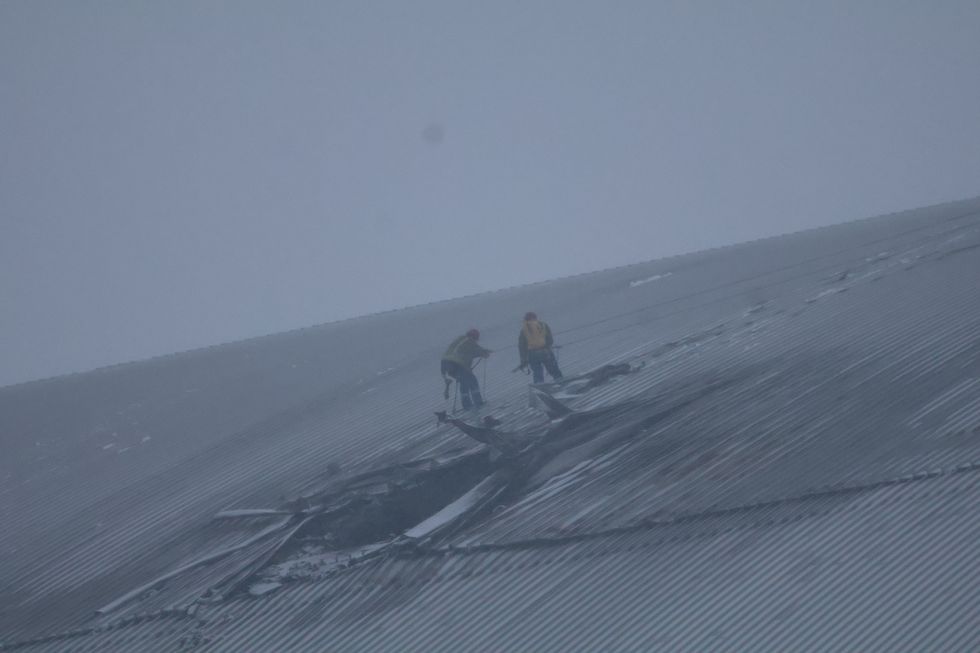
Eerie images from February 2025 show Ukrainian workers assessing damage on top of the New Safe Confinement in the winter snow
|GETTY
Construction finished in 2019 at a cost of nearly €2.1billion.
More than 45 nations funded the project through the Chernobyl Shelter Fund.
The arch was designed to safely contain radioactive debris for at least a century.
It covers the ruined No 4 reactor and was meant to allow a gradual dismantling of the Soviet concrete sarcophagus which locks in the deadly core.
That temporary structure was erected immediately after the 1986 explosion.
RUSSIA WREAKS HAVOC - READ MORE:
- Vladimir Putin seizes control of Ukrainian battleground as peace talks stall
- Russia 'will fight until the last Ukrainian dies' vows Vladimir Putin in bloodthirsty address
- Vladimir Putin's 'Doomsday Radio' spells out name of Nato country in eerie new threat
- Nato scrambles fighter jets after 'cruel' Vladimir Putin breaches ANOTHER country's airspace
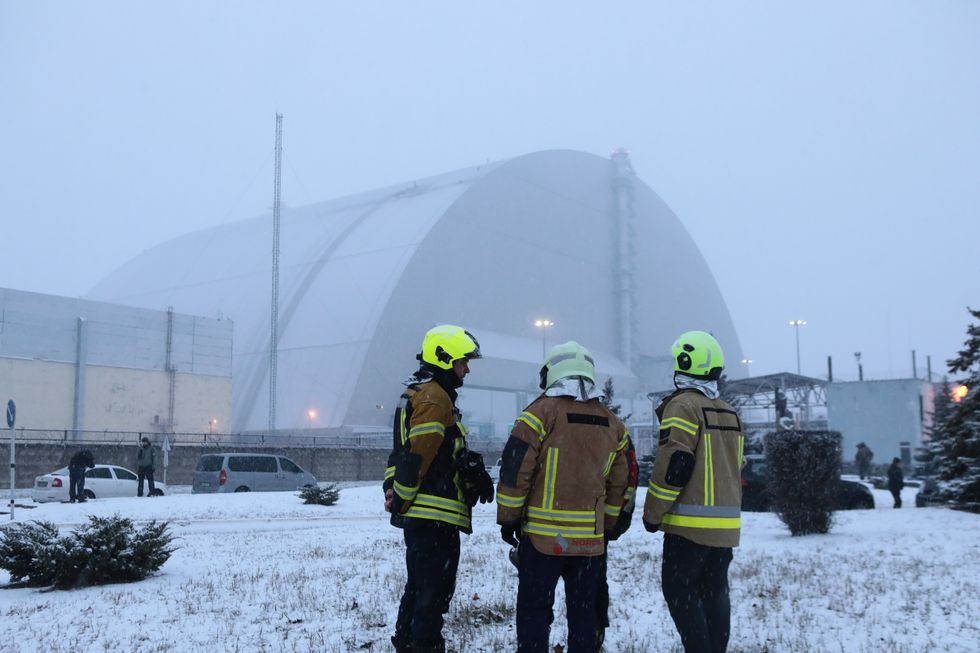
More than 45 nations funded the massive containment structure through the Chernobyl Shelter Fund
|GETTY
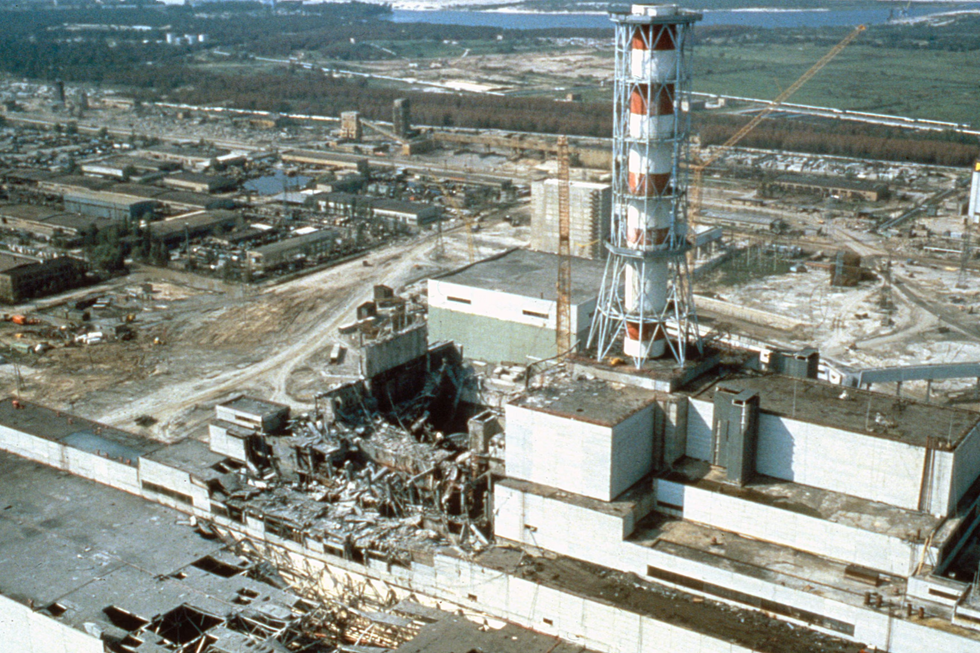
The 1986 explosion at Chernobyl (pictured) sent radioactive material soaring into the atmosphere, triggering a public health emergency across Europe
|GETTY
But the sarcophagus had only a 30-year lifespan, making the protective shell necessary.
Professor Jim Smith from the University of Portsmouth told the BBC: "It is not something to panic about."
The environmental expert has studied the aftermath of the Chernobyl disaster for years.
He said the greatest danger at the site involves disturbing radioactive dust.
However, he added that the risk is low because the dust is locked inside the thick concrete shell.
The 1986 explosion at Chernobyl sent radioactive material soaring into the atmosphere, triggering a public health emergency across Europe.
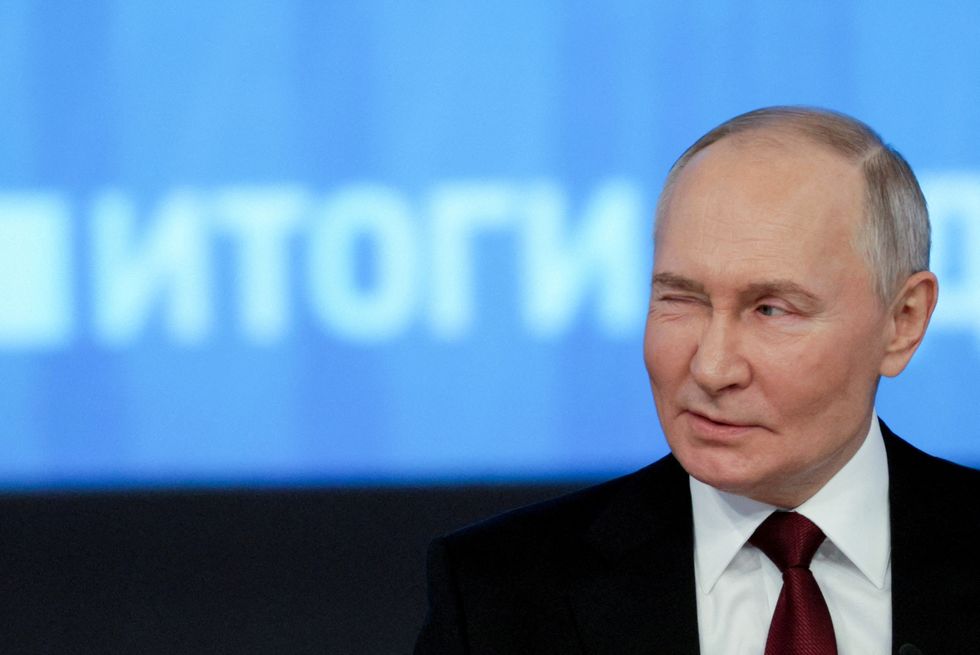
Vladimir Putin has denied responsibility for the drone strike on Chernobyl
| REUTERSRadiation from the blast reached as far as the UK.
The area immediately around the plant - and industry town Pripyat - became uninhabitable, potentially for thousands of years.
At least 28 people died in the disaster, which the Soviet Union covered up.
Thousands more are believed to have died from cancer caused by radiation exposure, though the exact figures remain unknown.
Russia has denied responsibility for the February drone strike.
Vladimir Putin's forces captured the Chernobyl site in the early stages of the full-scale invasion, holding staff hostage, before Moscow returned control to Ukraine weeks later.
More From GB News