









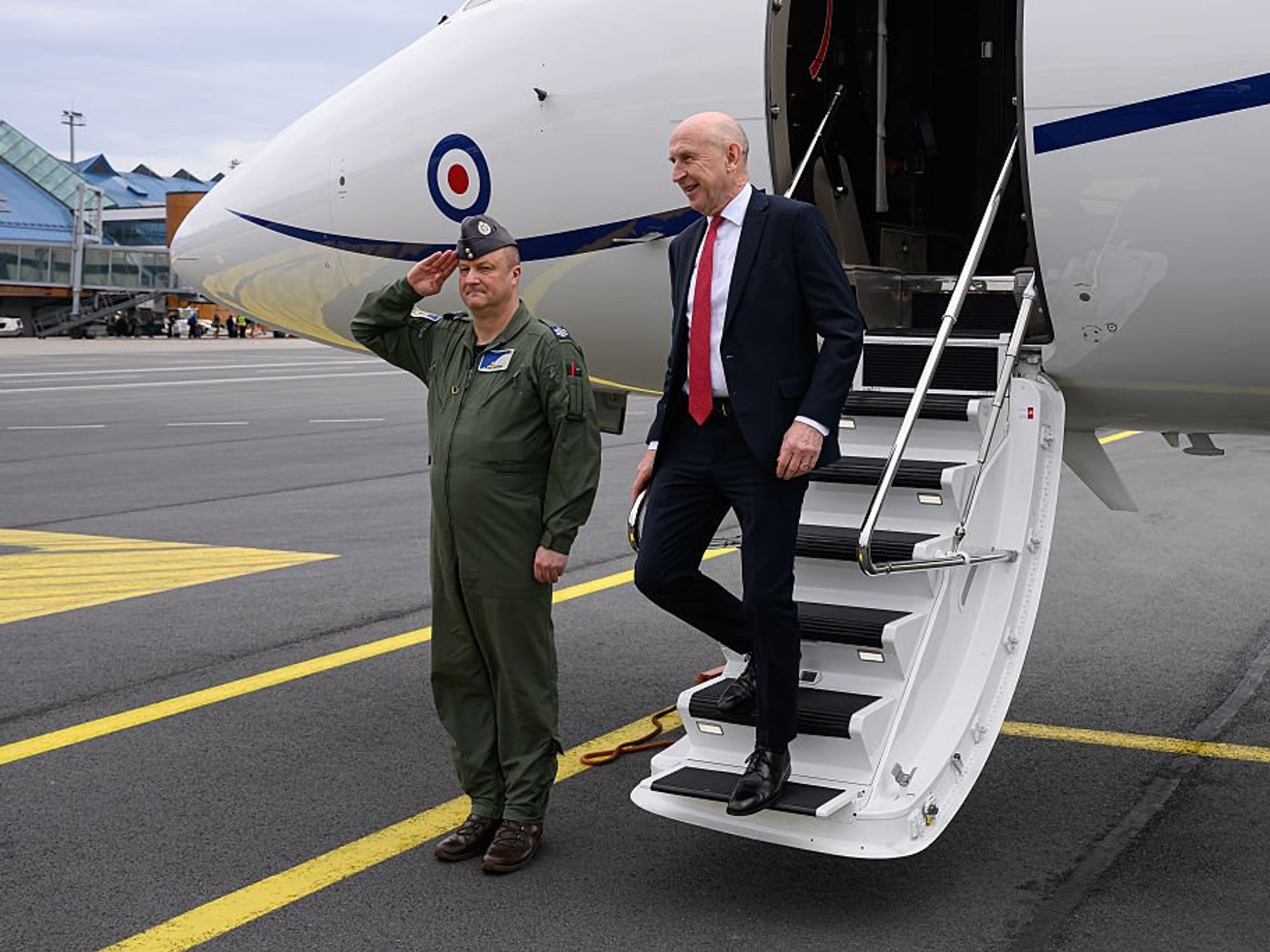

The search for Malaysia Airlines Flight MH370 is set to resume in just days, with Ocean Infinity's specialist vessel reaching Fremantle in Western Australia.
The American research company has confirmed the vessel had docked at its final stop before heading into the Indian Ocean search zone on December 30.
An Ocean Infinity spokesperson noted that owing to the operation's sensitive nature, official communications from the much anticipated new search would be issued by the Malaysian government.
Fremantle serves as the departure point for what remains one of the most isolated and demanding maritime environments on Earth, where the Boeing 777 is believed to have crashed more than a decade ago.
TRENDING
Stories
Videos
Your Say
The ship functions as a deployment platform for unmanned submersibles designed to chart the ocean floor at extreme depths.
Updated analysis drawing on satellite information, aircraft performance calculations, and drift studies compiled over the past 10 years will guide the vessel to a newly identified search area that was not thoroughly investigated during earlier efforts.
The autonomous underwater vehicles aboard the vessel are equipped with sophisticated sonar technology capable of mapping the seabed at depths reaching several thousand metres.
These unmanned craft enable continuous operations in harsh oceanic conditions for extended periods, potentially lasting weeks without interruption.
MORE ON MH370
- MH370 families receive court ruling just days before new search for missing Malaysia Airlines plane is launched
- MH370 expert claims he has answer for missing Malaysia Airlines plane to save everyone 'money and time'
- MH370 families 'trapped in pain' after missing Malaysia Airlines search update sparked anger
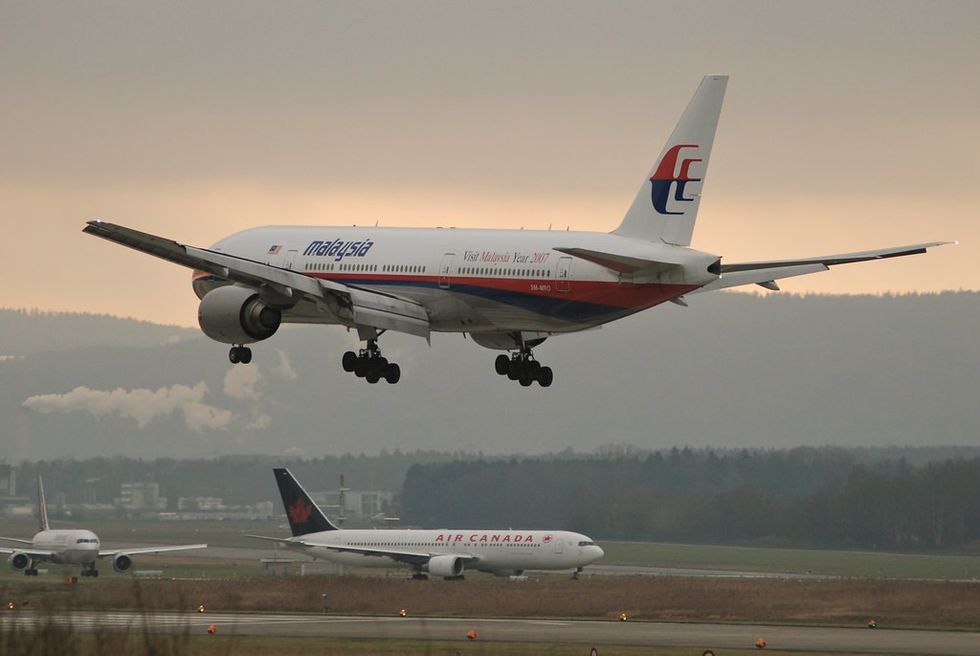
The Malaysian Airlines flight disappeared over a decade ago with relatives of missing passengers left in limbo ever since (Stock image)
| FLICKRThe mission will concentrate on portions of the search zone that previous expeditions failed to examine comprehensively.
Earlier search efforts had focused on the "seventh arc" - a line 1,200km off the Australian coast denoting the furthest point investigators think the plane could have crash-landed - but a new area is now being focused on.
Refined search parameters have been developed using a combination of satellite data reassessment, modelling of the aircraft's likely flight path, and oceanographic drift research accumulated since the Boeing 777 vanished in March 2014.
Data gathered during operations will be relayed to shore-based teams for ongoing analysis.
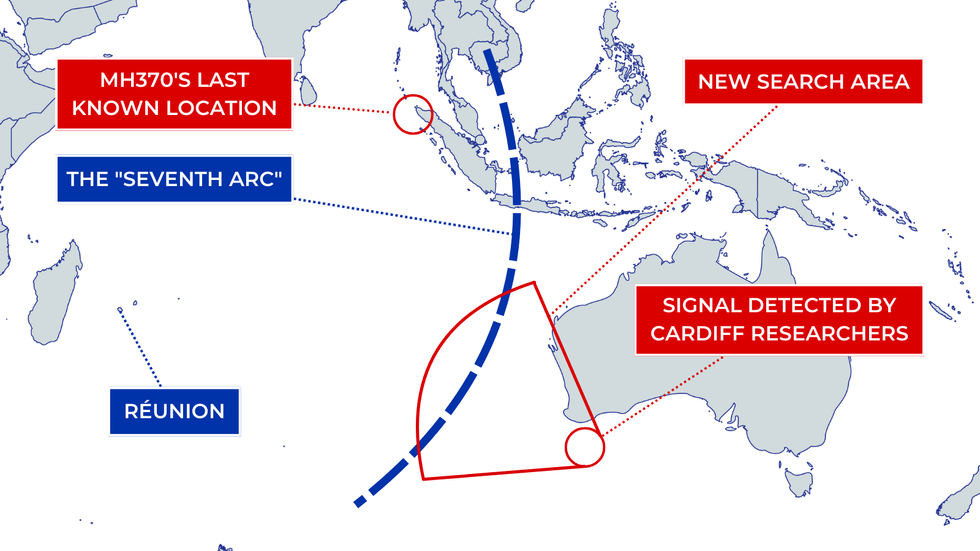 Map of areas in which MH370 could have gone missing | GB NEWS
For the families of the 239 individuals who were aboard MH370 when it disappeared in March 2014, the new search represents a moment of cautious optimism.
Although expectations remain tempered, the deployment of more advanced technology and refined search criteria has rekindled belief that answers could yet emerge.
More than 10 years after the aircraft vanished, the mission continues to hold profound emotional significance for relatives and the wider aviation community alike.
Ocean Infinity will receive $70million (£52million) if the wreckage is successfully located under a "no find, no fee" principle.
When the terms for the new search were agreed earlier this year, Malaysia said: "The government is committed to continuing the search operation and providing closure for the families of the MH370 passengers."
More From GB News