





Nuclear negotiations between the US and Iran have broken down in Pakistan after Washington dismissed Tehran's offer to halt uranium enrichment for five years, demanding instead a two-decade suspension.
The Iranian proposal formed part of multiple suggestions put forward by both nations during weekend discussions in Islamabad, though neither side accepted any of the offers on the table.
According to officials from both capitals, the Trump administration maintained its position that Iranian nuclear activities must cease for at least 20 years.
Despite the failed first round, The New York Times reports that further high-level discussions remain possible.
TRENDING
Stories
Videos
Your Say
Vice President JD Vance, who headed the American negotiating team in Islamabad, stated on Monday evening that Iran's nuclear programme represented a firm boundary for President Trump.
"We actually made very clear what our red lines were," Mr Vance told Fox News. "There are two things in particular where the president of the US really said we have no flexibility."
The Vice President identified two non-negotiable conditions: American custody of Iran's enriched uranium stockpile and a robust verification system to prevent future weapons development.
Mr Vance acknowledged that Iranian negotiators had shifted towards the US position during the talks, "but they didn't move far enough."
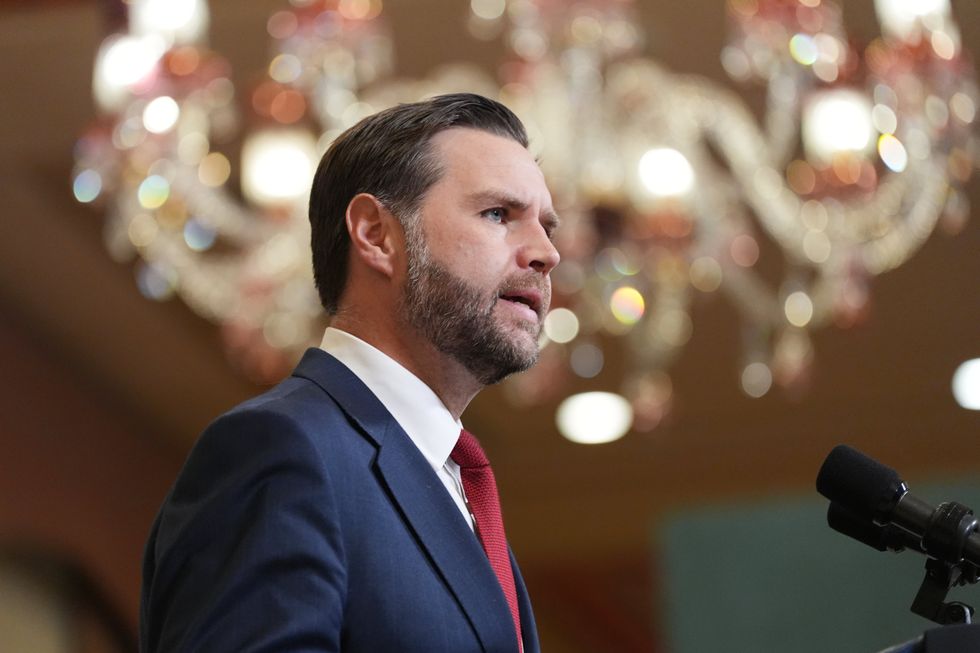
JD Vance has labelled nuclear development the US's 'red line'
|GETTY
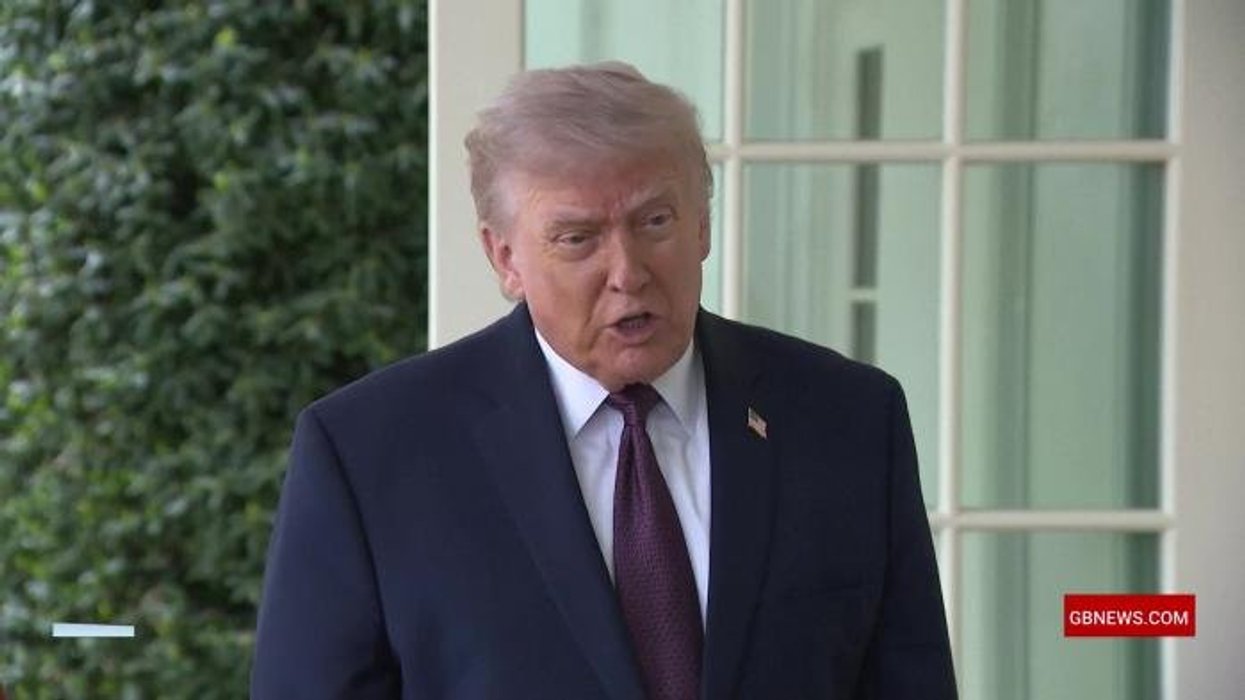
To pressure Iran into accepting a deal, President Trump announced that American naval forces had commenced a blockade of vessels passing through the Strait of Hormuz, beginning at 3pm on Monday.
Mr Vance accused Tehran of committing "economic terrorism against the entire world" by restricting maritime traffic through the vital waterway.
"They basically threatened any ship that's moving through the Strait of Hormuz," the VP said.
Defending Washington's decision to blockade Iranian ports, Mr Vance argued that Mr Trump had demonstrated "two could play at that game" in response to Iran's actions.
LATEST DEVELOPMENTS
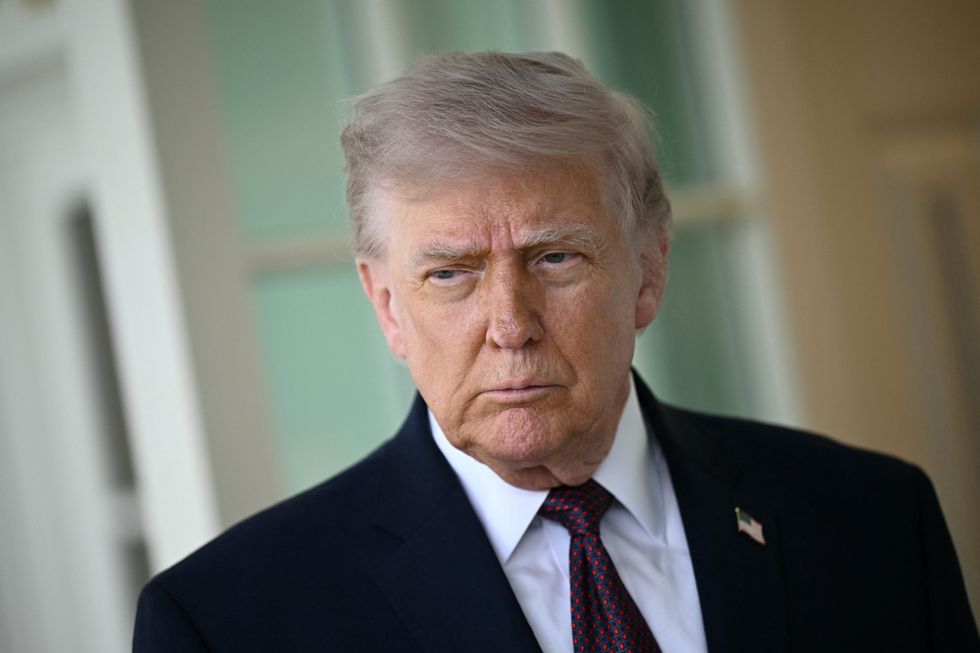
Donald Trump has blocked the Strait of Hormuz to put pressure on Iran
|GETTY
Israeli and Lebanese representatives are scheduled to meet in Washington today for American-mediated discussions aimed at ending hostilities in Lebanon.
The encounter represents the first face-to-face negotiations between the two nations since 1993, though expectations for a breakthrough remain low.
Secretary of State Marco Rubio will oversee the talks, which will involve both countries' ambassadors to Washington alongside the American envoy to Beirut.
Israel faces mounting global pressure to accept a ceasefire but refuses to do so until Hezbollah disarms.
Lebanon has pledged to strip the militia of its weapons, though Israeli officials doubt this commitment can be fulfilled.
Hezbollah has dismissed the negotiations entirely, declaring it will not honour any Washington agreement.
Our Standards: The GB News Editorial Charter