










A council civil war has erupted after a district authority threatened to seize county-controlled land to house travellers.
Derbyshire Dales District Council has warned it may forcibly take over land owned by the county authority to establish a permanent traveller site in Ashbourne.
The district council's chief executive outlined the threat in a letter sent to Reform UK-led Derbyshire County Council on May 21, saying that compulsory purchase powers could be pursued if negotiations over the Watery Lane site fail.
Both local authorities have grappled with providing accommodation for traveller families for decades, as required under homelessness laws.
The county council has responded sharply, describing the threat as "heavy-handed, undemocratic, and deeply concerning for local residents".
A coalition of Liberal Democrat, Labour and Green councillors running the district authority approved the potential legal action at a meeting earlier this month.
The search for a permanent traveller site has stretched across more than 10 years without success.
Temporary arrangements have been brought in several times throughout the district, with travellers currently permitted to stay at Matlock railway station car park under temporary planning consent.

The district council's chief executive outlined the threat in a letter sent to Reform UK leaders at Derbyshire County Council
|WIKIMEDIA COMMONS
Previous proposals for a site in Rowsley were rejected by the district council itself, while plans for temporary plots in Matlock Bath and Middleton by Wirksworth were put on hold.
Additional traveller families are staying in Ashbourne near the proposed permanent site.
The district council maintains that the Watery Lane plot meets planning requirements, is already designated within its local plan, and could be developed faster and more cheaply than maintaining ongoing temporary solutions.
The authority must also complete its local housing plan by December.
COUNCIL ROWS - READ MORE:
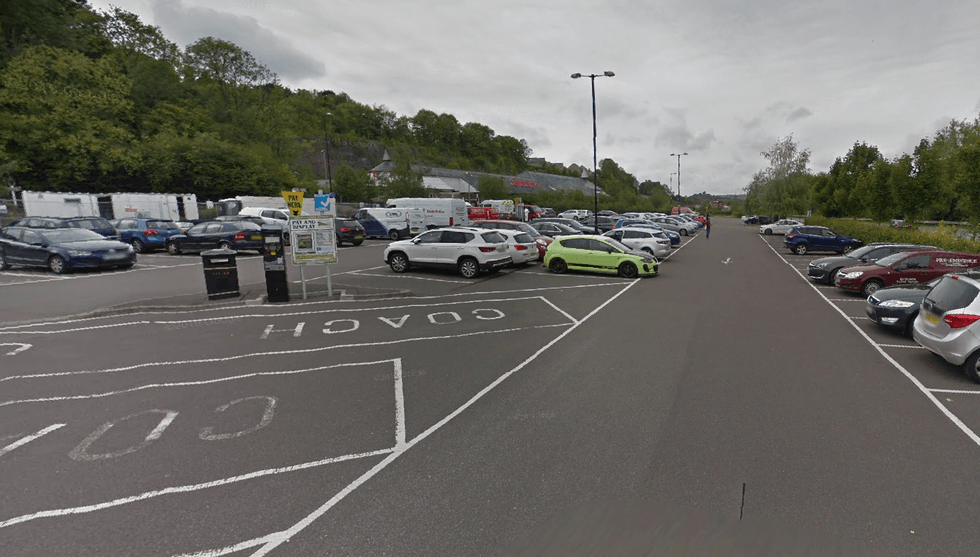
Travellers are currently permitted to stay at Matlock railway station car park under temporary planning consent
|The county council has refused to hand over the land, pointing to unspecified strategic plans believed to relate to a potential Ashbourne bypass scheme that has since been shelved indefinitely.
County council leader Alan Graves expressed his disappointment with the district's approach.
"At the end of the day, it's a county council piece of land, it's got an encampment of the gypsies which shouldn't be there, and they want to buy it off us so they can keep those gypsies there," he said.
"The majority of people, law-abiding people, don't like it when these camps materialise in their areas, and we will not let them have that piece of land."
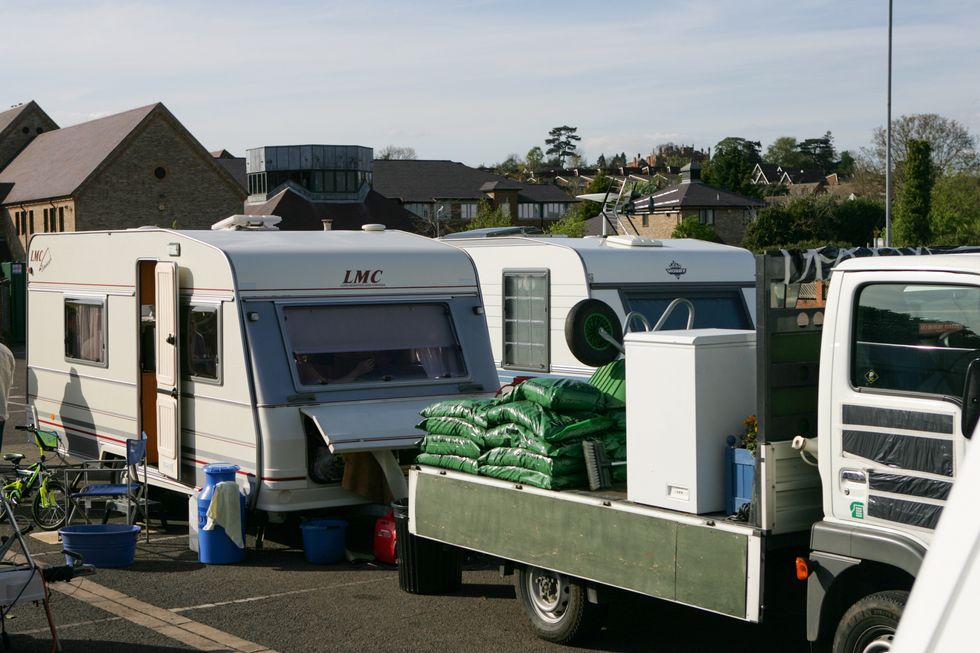
Both local authorities have grappled with providing accommodation for traveller families for decades (file photo)
| GETTYMr Graves accused the district council of attempting to push through the acquisition before local government reorganisation dissolves the authority in April 2028.
A district council spokesman admitted as much, saying resolving the traveller site issue was a priority - with the April 2028 deadline meaning the matter should be sorted proactively rather than being left unresolved.
Peter Dobbs, the Liberal Democrat councillor for Ashbourne North, said the site had been identified as a leading option for more than a decade.
"We have our own criteria for traveller sites and as it happens this ticks some of the boxes... it's a long way from where people live, to be honest. That is a key factor," he said.
Mr Dobbs argued that any legal costs would likely prove far smaller than purchasing alternative land on the open market, adding that consultants had already spent considerable sums examining other locations that proved either prohibitively expensive or unsuitable.
Our Standards: The GB News Editorial Charter