

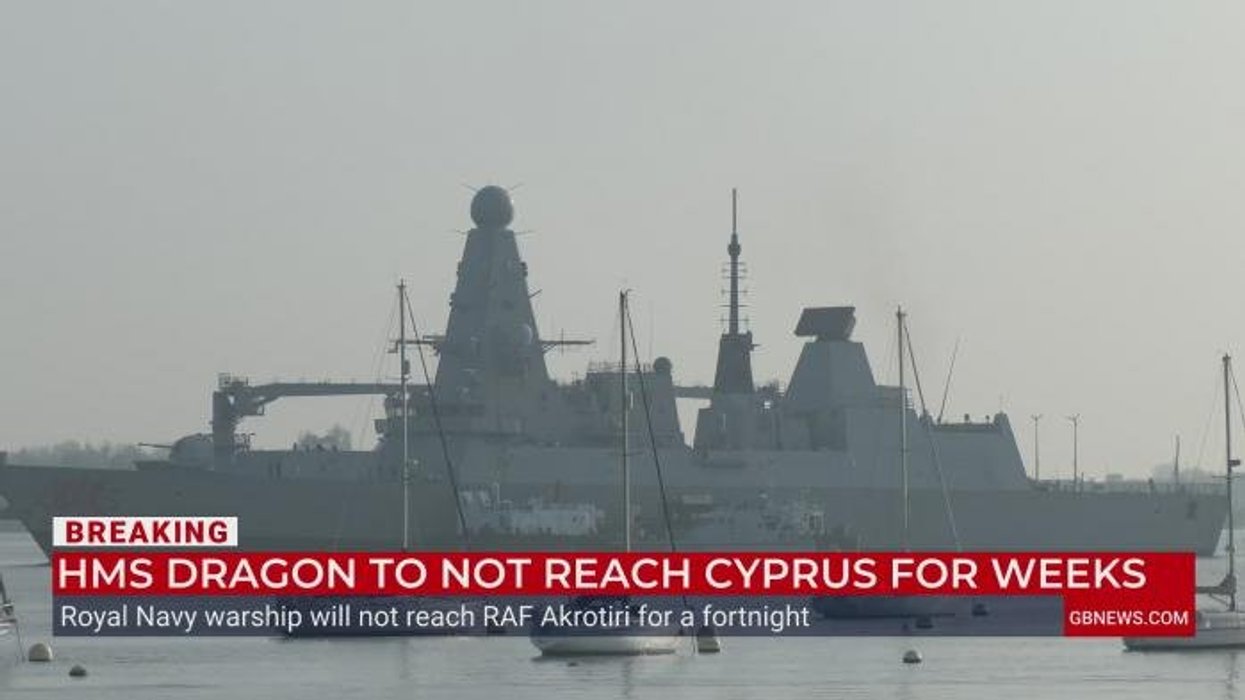









The US has deployed an array of cutting-edge weapons in Operation Epic Fury in a bid to halt Iran's missiles and drones from hitting their targets.
Among the systems in use is the High-Energy Laser with Integrated Optical Dazzler and Surveillance (HELIOS) mounted on a US Navy destroyer stationed off the Iranian coast.
Footage released by US Central Command shows the laser weapon directing an "intense, tightly focused beam" of energy to destroy drones.
The US Navy confirmed in February that HELIOS had successfully shot down four drones during testing.
Heat-tracking satellites, military-grade malware and radar-jamming software have also played a key role in enabling precision strikes on Iranian targets.
The US Space Force, created in 2019, has also proved central to coordinating attacks and protecting American personnel during the operation.
Satellites equipped with infrared sensors can detect missile launches instantly by tracking their heat signatures, allowing rapid interception.
Brent David Ziarnick, a former Johns Hopkins University professor and retired Air Force officer, told the New York Post: "They can spot the missiles and pinpoint where the launchers are.
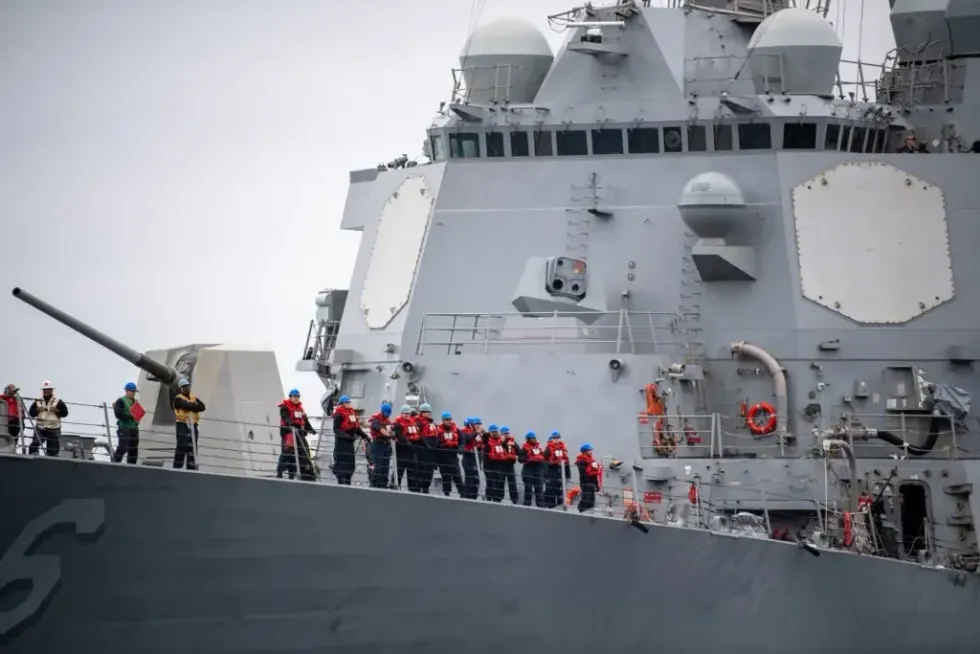
HELIOS has been mounted to a US Navy destroyer stationed off the Iranian coast
|REUTERS
"The missiles can be intercepted and destroyed [often with Patriot Missiles]. Field forces get notified that an attack is coming, so they can go to shelters or bunkers."
The technology has reportedly enabled the destruction of hundreds of Iranian missiles.
Bree Fram, a former Space Force colonel now seeking a congressional seat in Virginia, said the low casualty numbers reflect the US military's technological edge.
"The fact that this isn't a mass formation of troops with rifles on the ground speaks to the fact that this force is built with extreme technology and the brain power to operate it," she said.
IRAN - READ THE LATEST:
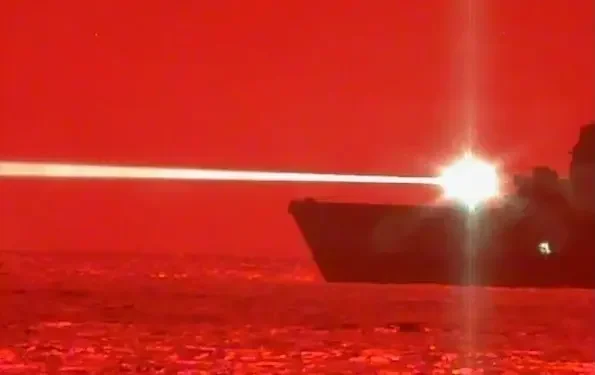
The US Navy confirmed in February that HELIOS had successfully shot down four drones during testing
|US NAVY
Before physical strikes began, US Cyber Command launched digital attacks targeting Iranian infrastructure.
Joint Chiefs of Staff Chairman Gen. Dan Caine confirmed that cyber operations targeted "communications and sensor networks" to "disrupt, disorient and confuse the enemy."
The cyber and space units work together to neutralise Iranian defences.
"Space Force figures out where the radar is, then work with Cyber Command to jam it," Mr Ziarnick explained.
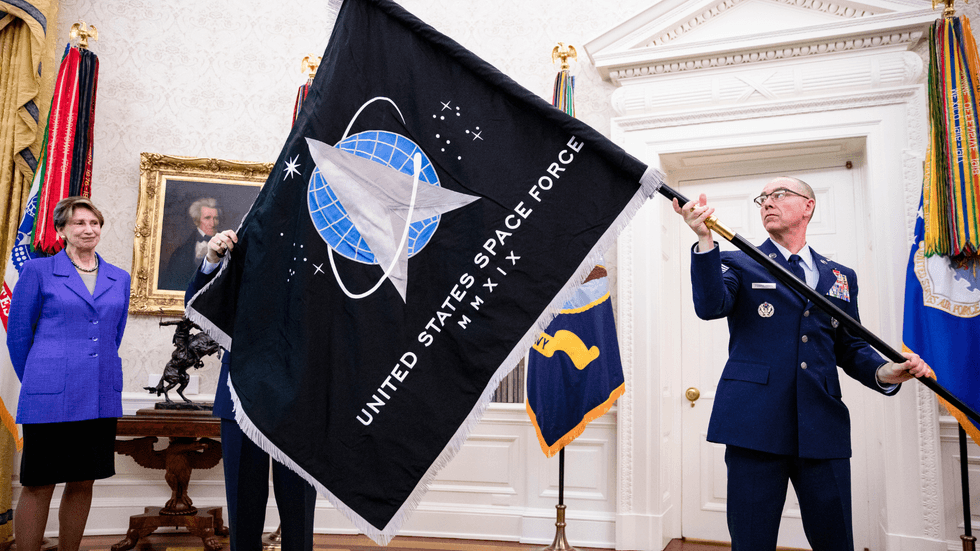
The US Space Force, created in 2019, has proved central to coordinating attacks in Operation Epic Fury
|GETTY
Within the first 72 hours of fighting, US forces struck around 1,700 targets across Iran.
More than 200 ballistic missile launchers have been destroyed - roughly half of Iran's total stockpile.
Dozens more launchers have been disabled, while hundreds of missiles were destroyed before they could be fired.
Much of the Space Force's work takes place inside the US, where crews stationed inside radar domes - known as Radomes - analyse incoming data and calculate missile trajectories in real time.
Mr Ziarnick described the branch of the US armed forces created in 2019 as "a force to be reckoned with".
Our Standards: The GB News Editorial Charter