








Health Secretary James Murray on Tuesday endorsed recommendations from advisers that would limit screening to just a few thousand individuals, drawing sharp criticism from advisory groups who argue the criteria are far too restrictive.
The UK’s National Screening Committee has argued that the harms of screening far outweigh the benefits in all other groups, and only men who have a dangerous genetic variant and family history of the disease should undergo the prostate-specific antigen (PSA) blood test.
But critics maintain that the strategy is inadequate as it excludes broad at-risk groups such as men whose relatives have suffered from the disease. In doing so, thousands could be left without access to life-saving tests.
Prostate cancer is the most common cancer in men and kills 12,000 people across the UK each year. In 2023, comedian Jon Holmes thought his diagnosis sprang out of nowhere - following a visit to his GP and a detail about his family history that he never expected to matter.
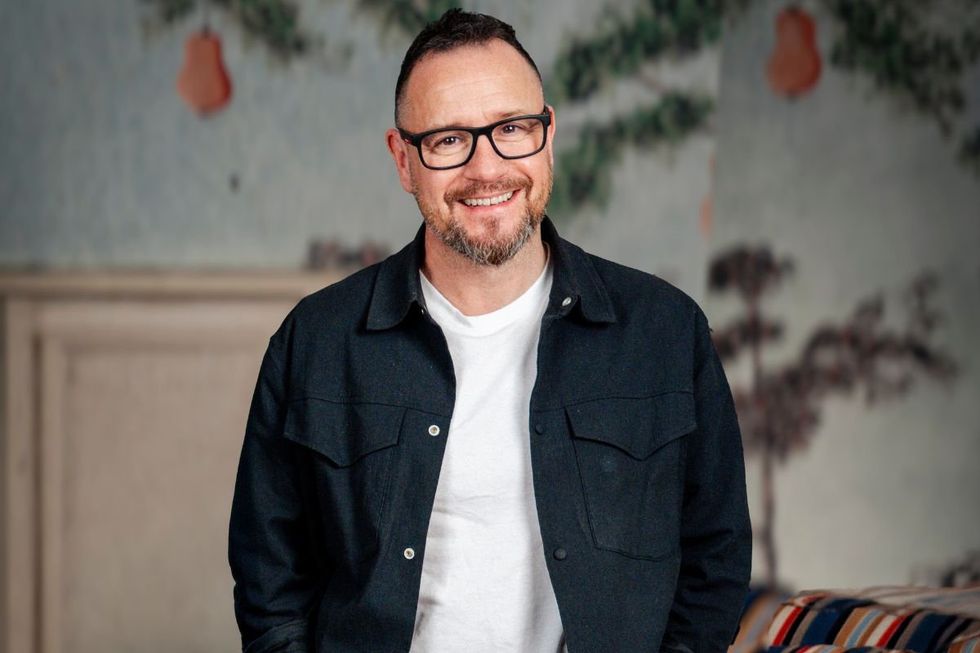
Comedian Jon Holmes was diagnosed with prostate cancer in 2023
|GENESIACARE
“I felt incredibly fortunate that I was adopted,” he told GB News. “Otherwise, I could still be living my life with an undiagnosed prostate cancer diagnosis.”
The Radio 4 broadcaster credits Stephen Fry’s public awareness campaign for prompting him to get tested.
He says he was already leaving his doctor’s surgery when a question about family history changed everything.
“I had no symptoms at all - apart from the nagging voice in the back of my head that I should get tested,” he said. “You could say that Stephen Fry saved my life.
“Even when I made the appointment with my GP, I never for one moment thought I’d end up being diagnosed with prostate cancer.
LATEST DEVELOPMENTS
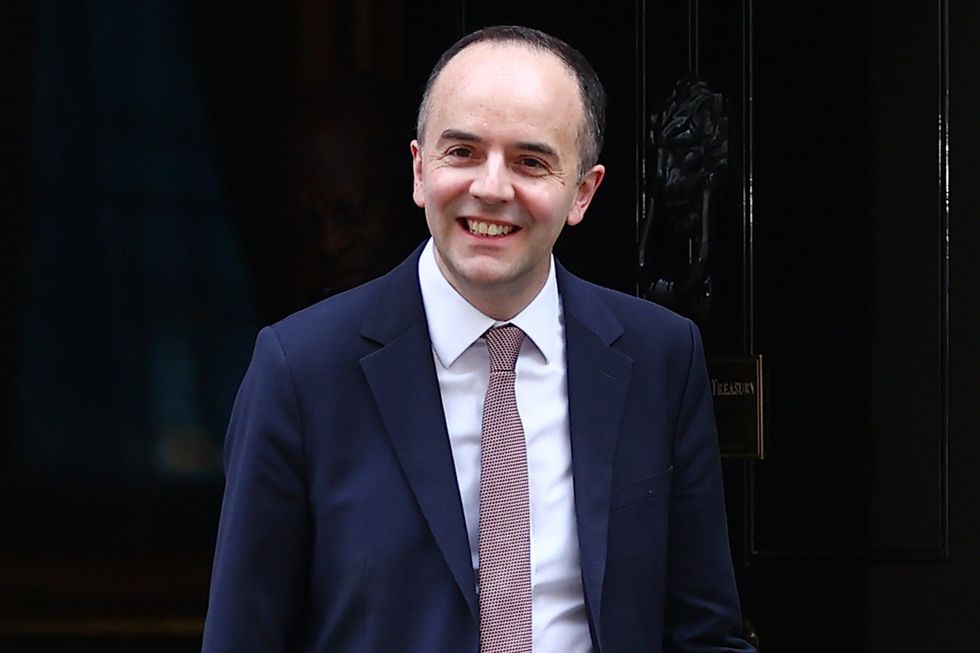
Health Secretary James Murray has accepted recommendations to restrict routine screening to a few thousand men
|GETTY
“I was halfway out of the door when he asked me the final questions - is there a history of prostate cancer in your family?, to which I replied ‘I have no idea, I’m adopted’.... Which made him look up and say ‘in that case, let’s get you tested just in case’... It felt like a sliding doors moment.
“Being given that diagnosis and being told I had cancer was one of the biggest shocks of my life. I felt so ignorant about the condition - I didn’t even know where in my body the prostate was.”
Advocacy groups are now pushing for a more comprehensive screening programme that includes men with family connections to the disease, black men and those carrying genetic markers that elevate their risk.
Research shows that men whose father or brother has suffered from prostate cancer face a risk two and a half times greater than the general male population.
Yet the committee’s approach means this criterion alone will be insufficient for such individuals to secure routine screening access.
“The sooner men are diagnosed, the better the long-term prognosis,” Jon noted. “Luckily, the current screening process was good enough for my diagnosis to be caught at an early stage. Not everyone is so fortunate.”
When asked whether he thought he would have been diagnosed had he not pushed the issue or mentioned being adopted to his GP, Jon responded: “Definitely not.”
“The doctor had already gone through the list of signs and symptoms of prostate cancer, and I had answered no to all of them - as I say, I had no niggles, aches or pains.
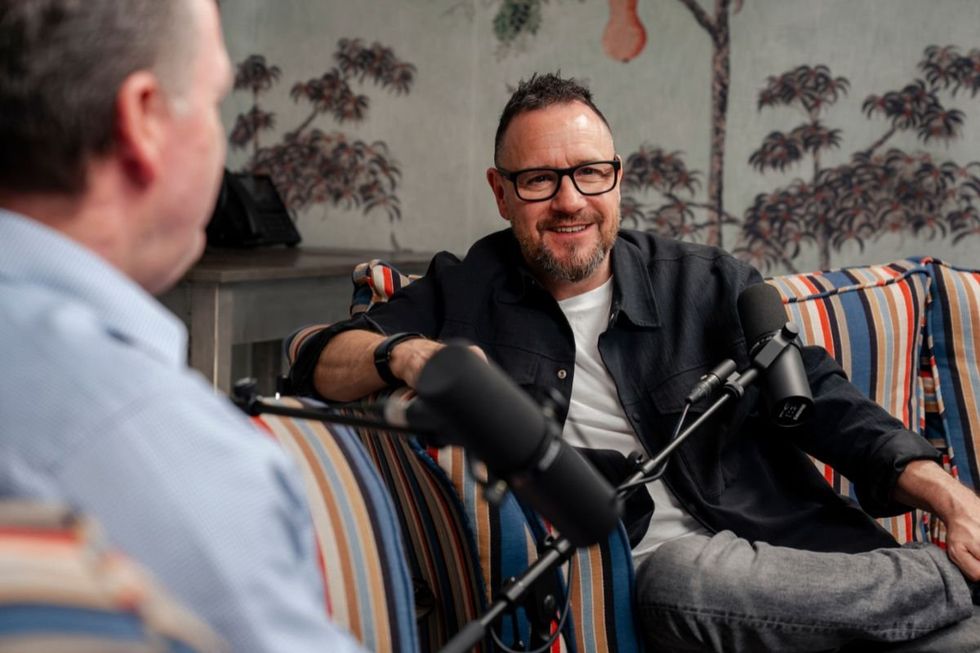
Jon advises all men with concerns about their health to see a doctor
|GENESIACARE
The Government is nonetheless expanding access to screening trials for black men, who face double the risk of developing and dying from prostate cancer compared to white men.
Black men aged 45 to 74 who have not previously been tested will become eligible for the £20 million Transform trial, provided its initial phase demonstrates success.
While it offers some reassurance, campaigners are adamant that other at-risk groups are being overlooked.
For more information on how to navigate your prostate cancer treatment pathway, visit https://www.genesiscare.com/uk/mind-the-gap
Our Standards: The GB News Editorial Charter