

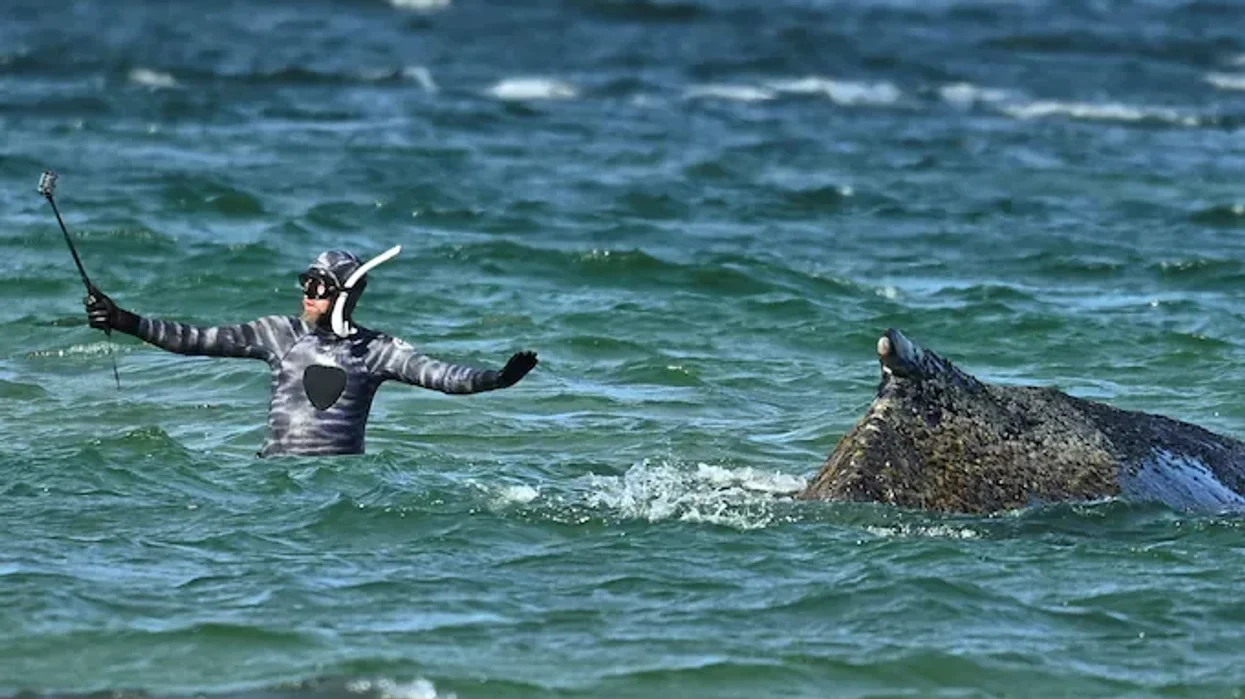







A humpback whale measuring 32 feet in length has been freed after days trapped on a sandbank in the Baltic Sea off Germany's northern coast.
The creature became ensnared in fishing nets in the region's shallow waters on Monday, leaving it stranded for nearly a week, with rescue teams battling to save the stricken animal.
According to Carsten Mannheimer from the Sea Shepherd conservation group, the whale has a survival window of approximately five to six days in a situation of this kind.
The complex operation to free the marine mammal drew international attention as teams worked against the clock to prevent a tragic outcome.
TRENDING
Stories
Videos
Your Say
Rescue workers employed large vessels to generate waves, helping to maintain moisture on the whale's skin throughout the ordeal.
A team of four approached the distressed animal aboard an inflatable craft, successfully severing portions of the netting wrapped around it.
However, these efforts yielded limited results, with the whale merely rotating its position rather than heading towards deeper waters.
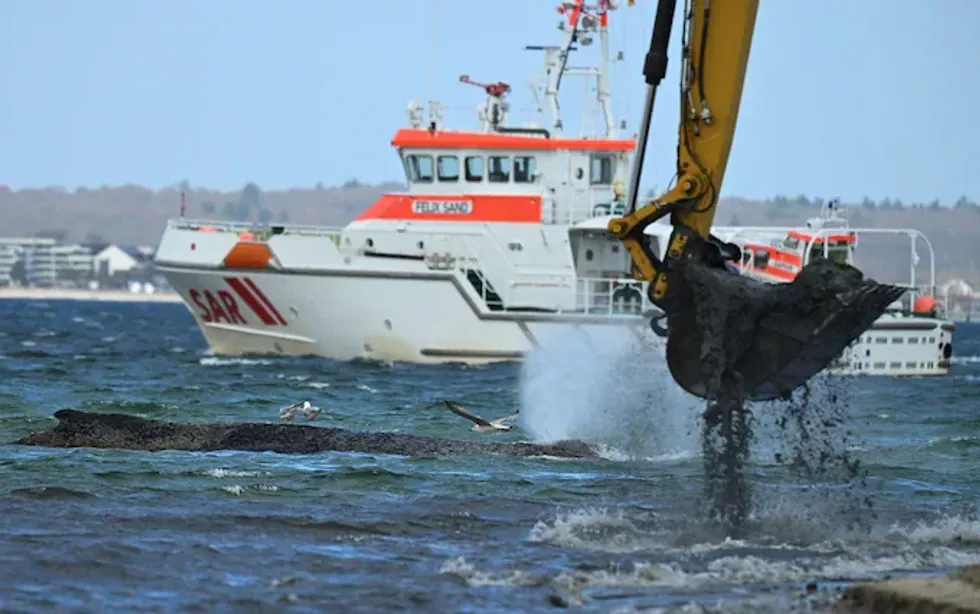
Rescuers implemented diggers to deepen the sandbank
|REUTERS
Initial attempts using diggers proved unsuccessful, as the surrounding sand was packed too firmly to excavate.
More robust equipment was subsequently requested on Wednesday, arriving ahead of a fresh rescue push the following day.
Marine biologist Stephanie Gross from the Institute for Terrestrial and Aquatic Wildlife in Hannover has expressed concern for the whale, lacking sufficient strength to propel itself through the water independently.
WILDLIFE STORIES
She told media on Thursday: "This is still an attempt we want to make. We'll do what we can without putting the animal at further risk or injuring it".
Time was of the essence for the rescue teams, as prolonged stranding places increasing strain on the whale's internal organs.
The entire operation was broadcast live online, enabling wildlife enthusiasts worldwide to monitor developments in real time.
Early this morning, the majestic beast was seen swimming near the coast after managing to free himself overnight - now heading out of the Bay of Lübeck.
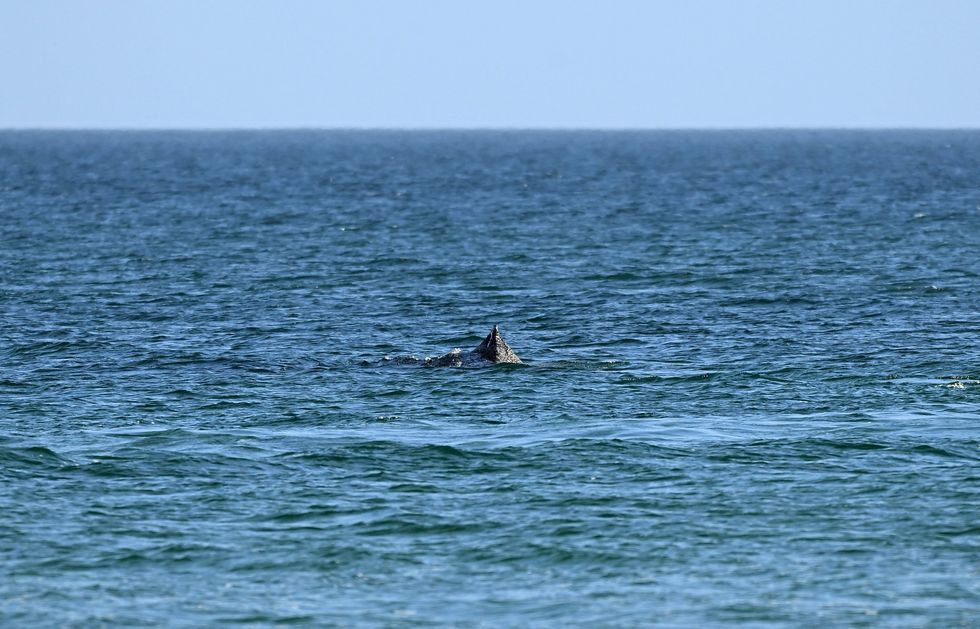
The majestic whale managed to free himself in the early hours of Friday
|REUTERS
Rescuers were in an inflatable boat directly alongside the 12 to 15-metre-long whale, also accompanied about 300 metres off the coast by a coastguard vessel and several boats.
No transmitter was attached to the whale because its skin was too badly diseased.
What matters now is that the whale stays in open water and swims into the North Sea if possible, biologist Robert Marc Lehmann said.
The biologist had snorkelled out to the whale on Thursday and tried to guide it through the trench excavated by rescuers.
But the large mammal is still not home free, as its release from the sandbank is not a rescue but only a small step in the right direction - it would only be home once it reached the Atlantic.
"I am simply just glad," said the mayor of Timmendorfer Beach, Sven Partheil-Böhnke.
Humpback whales seldom venture into Baltic waters, making this sighting particularly unusual.
When these creatures do appear in the region, they typically arrive searching for prey including krill, herring and sardines.
The rarity of such an event has heightened public interest in the rescue mission, with viewers overjoyed of the news the animal was guided back to safety.