







President Donald Trump’s pursuit of acquiring Greenland is informed by the emergence of an “entirely new” theatre of geopolitical competition, experts have said.
Receding Arctic ice is opening up trade routes and exposing previously locked-away natural resources, essential to the US’s quest to assert unassailable control over the Western Hemisphere.
The polar region, where two-thirds of Greenland’s landmass can be found, is heating at roughly four times the pace of the rest of the planet.
Shifting temperatures are transforming what was once an icebound wilderness into an arena for contesting great powers.
TRENDING
Stories
Videos
Your Say
"The freeing of the Arctic from sea ice, at least seasonally, will create an entirely new theatre for economic and security competition," said Joseph Majkut, director of the Energy Security and Climate Change Program at the Centre for Strategic and International Studies.
“While we've known that is going to be the case for some time, it seems we're at an inflexion point,” he told the Washington Post.
"It's partly the melting of sea ice making it more attractive for the economic development that he'd pursue in Greenland," concurred Sherri Goodman, former deputy undersecretary of defence for environmental security.
"The openings of sea lanes, the changing ice conditions, are contributing to the intense geopolitical situations we're experiencing.”
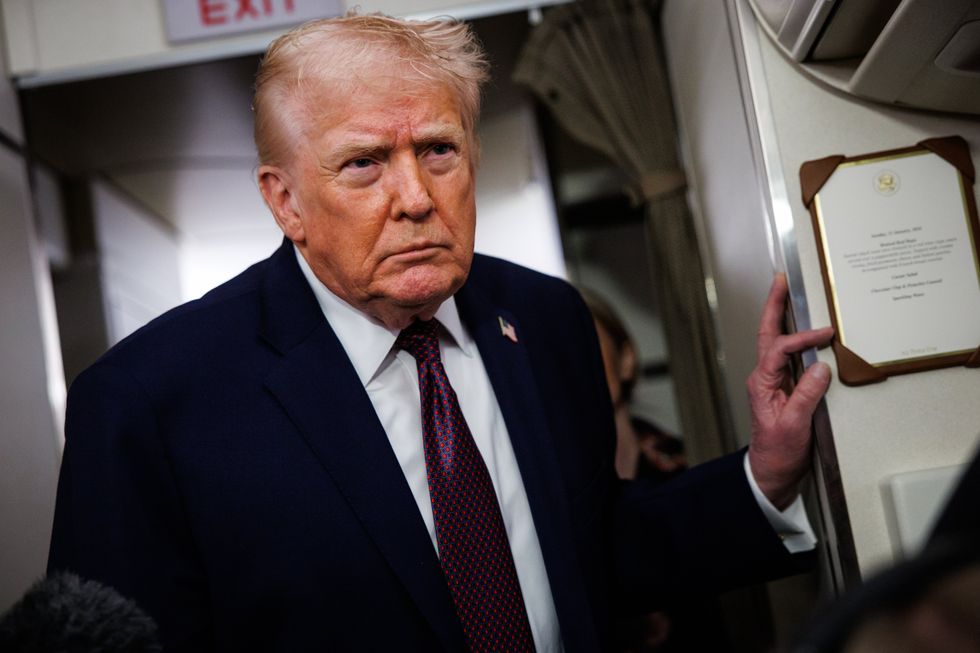
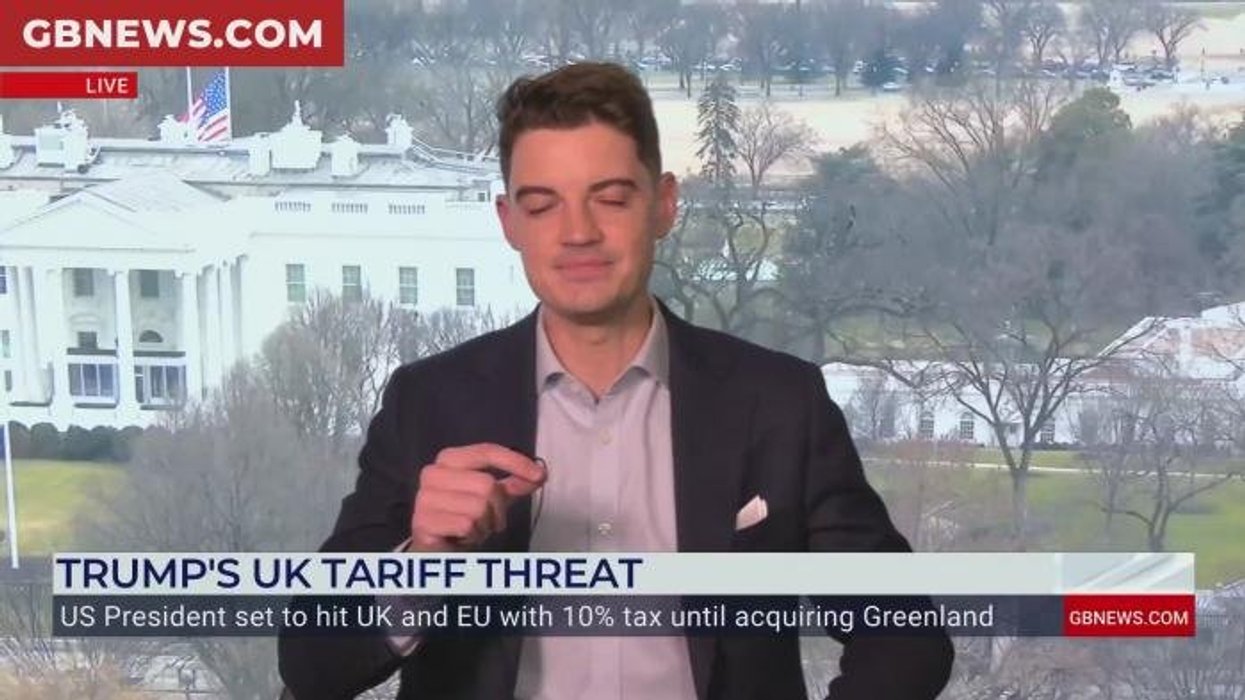
Donald Trump is seeking control of Greenland
|GETTY
Routes connecting the Atlantic to the Pacific, which had previously blocked by frozen waters, are becoming navigable for extended periods each year.
In October, a Chinese vessel traversed the northern sea route along Russia's coastline, cutting approximately 20 days from the conventional journey through the Suez Canal to reach Europe.
The quest for polar trade routes has long been an objective of competing powers. In 1845, Britain launched the doomed Franklin Expedition to find the fabled North West Passage through the Arctic Circle and a shortcut to Asia.
Two ships, HMS Erebus and HMS Terror, completely vanished during their search through the expansive sea ice and would remain undiscovered until 2014.
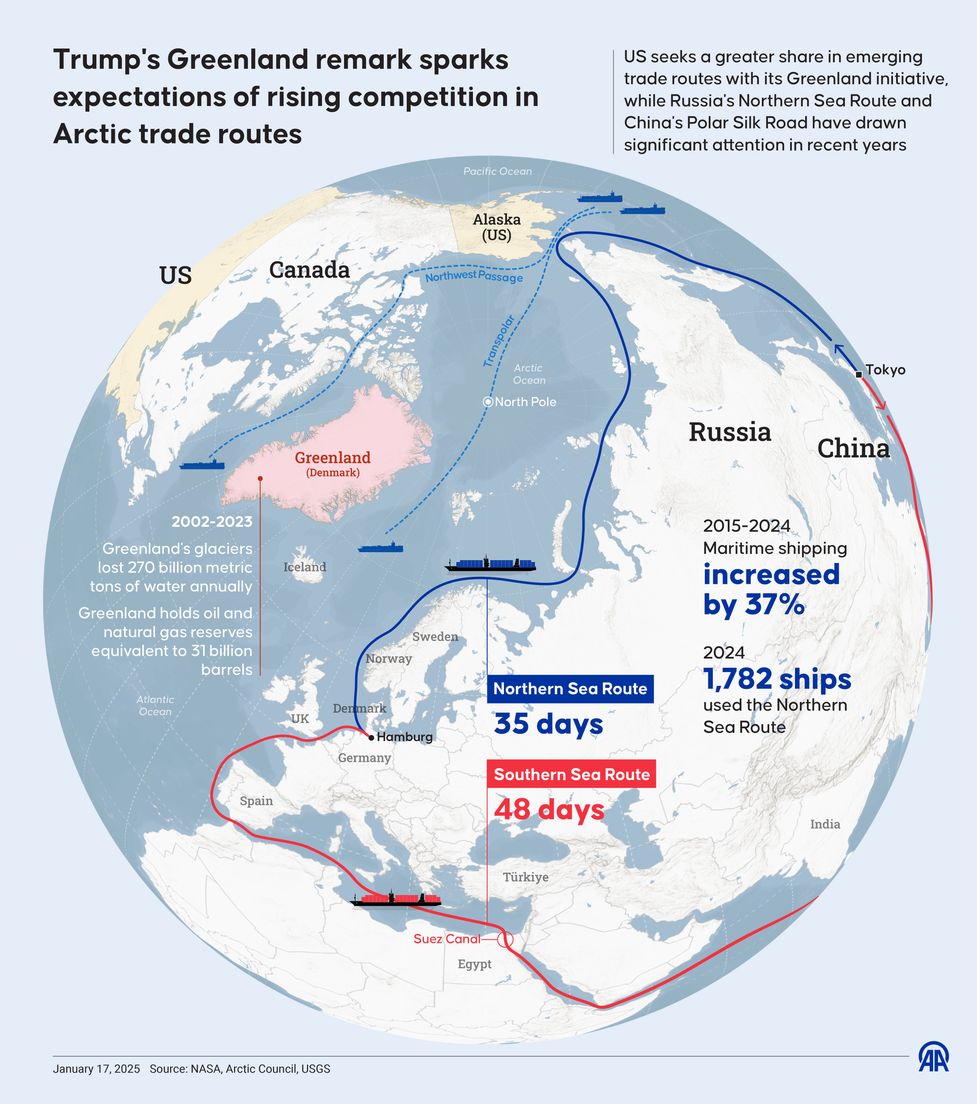
Polar shipping routes explained
|GETTY
LATEST DEVELOPMENTS
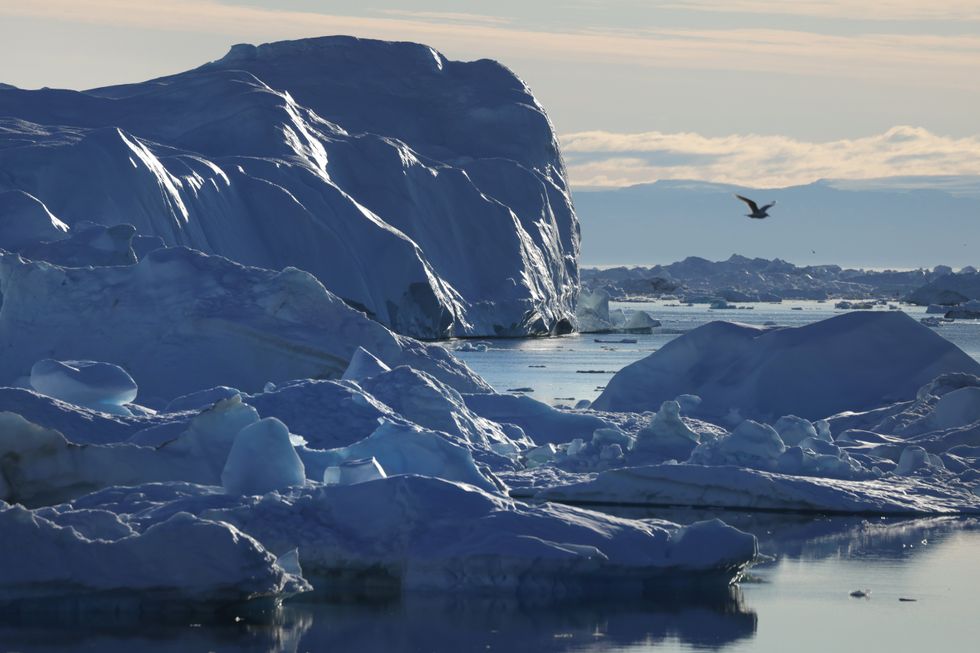
Melting ice is exposing enticing prospects for great powers
|GETTY
As well as opening up the so-called “Polar Silk Road”, melting ice is also exposing substantial mineral wealth beneath Greenland's surface.
President Trump has cited acquiring deposits of diamonds, lithium and copper that are gradually becoming more attainable as motivating his quest.
Washington’s most prominent advisories also covet the Arctic region. Russia straddles much of northern Eurasia, allowing it a near monopoly on access to the Arctic on the continent.
Moscow is in the process of stepping up resource extraction and militarisation across its polar coasts as part of its New Arctic Policy 2035.
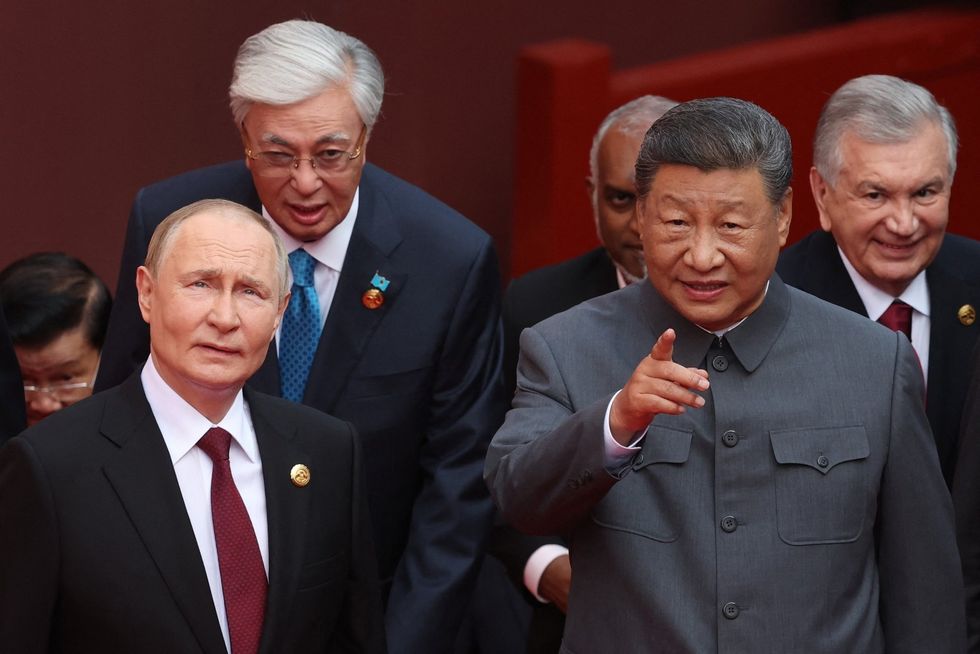
Both Russia and China also covet the polar region
|GETTY
Meanwhile, China has declared itself a "Near-Arctic State”, arguing its climate vulnerability and economic interests justify a significant role in Arctic governance.
However, President Trump’s pursuit of Greenland has not been welcomed by his European allies. Denmark's foreign minister Lars Løkke Rasmussen said there was a "fundamental disagreement" between the parties after talks.
As a result, the US leader has threatened tariffs on Denmark, Finland, France, Germany, the Netherlands, Norway, Sweden and the UK if they did not submit to his plans.
Following the threat, the European nations released a joint statement that read: "We stand in full solidarity with the Kingdom of Denmark and the people of Greenland. Tariff threats undermine transatlantic relations and risk a dangerous downward spiral.”
Our Standards: The GB News Editorial Charter
More From GB News