







The Christchurch mosque shooter is set to appeal his sentence after claiming he was tortured to plead guilty.
Brenton Tarrant, now 35, killed 51 people in March 2019 in one of the world's deadliest mass shootings.
One year later in March 2020, he pleaded guilty to 92 charges, and received a life sentence behind bars without possibility of parole - a rarity in New Zealand.
He is now seeking to overturn his conviction, claiming that he entered his pleas "under duress through torture".
TRENDING
Stories
Videos
Your Say
Tarrant appeared in front of New Zealand's Court of Appeal on Monday via video link wearing dark glasses, a white collared shirt, and sporting a bald head, looking notably different from his 2020 sentencing hearing.
He is now set to give evidence over the next five days as to why he was incapable of making rational decisions at the time he pleaded guilty.
He must also explain why he delayed his appeal application past the 20 working day deadline in New Zealand's court system.
Tarrant submitted the appeal in 2022, claiming that he was "held under illegal and torturous prison conditions, necessary legal documents withheld from myself, fallout with previous lawyers, irrationality brought on through prison conditions".
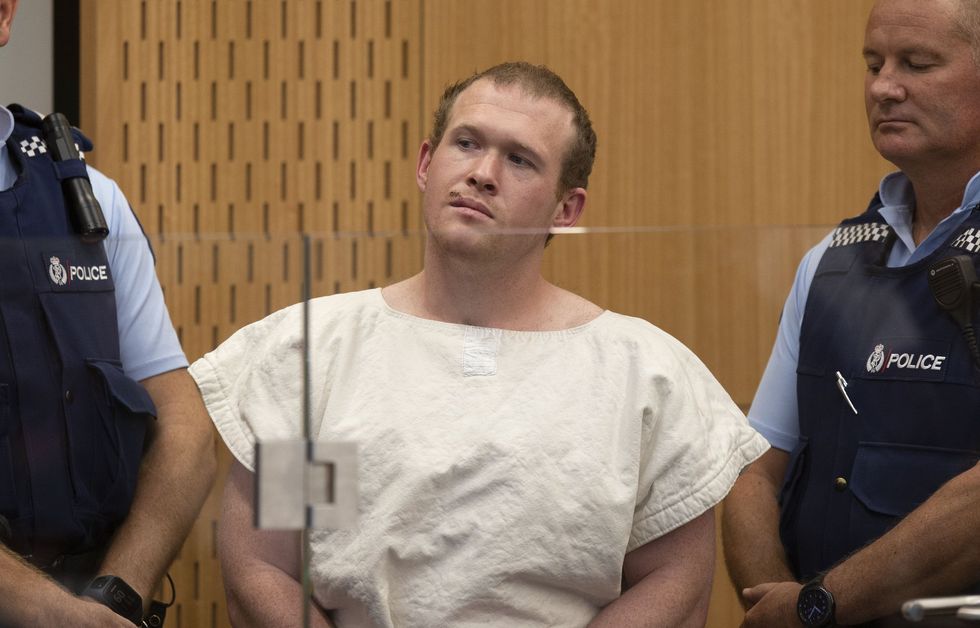
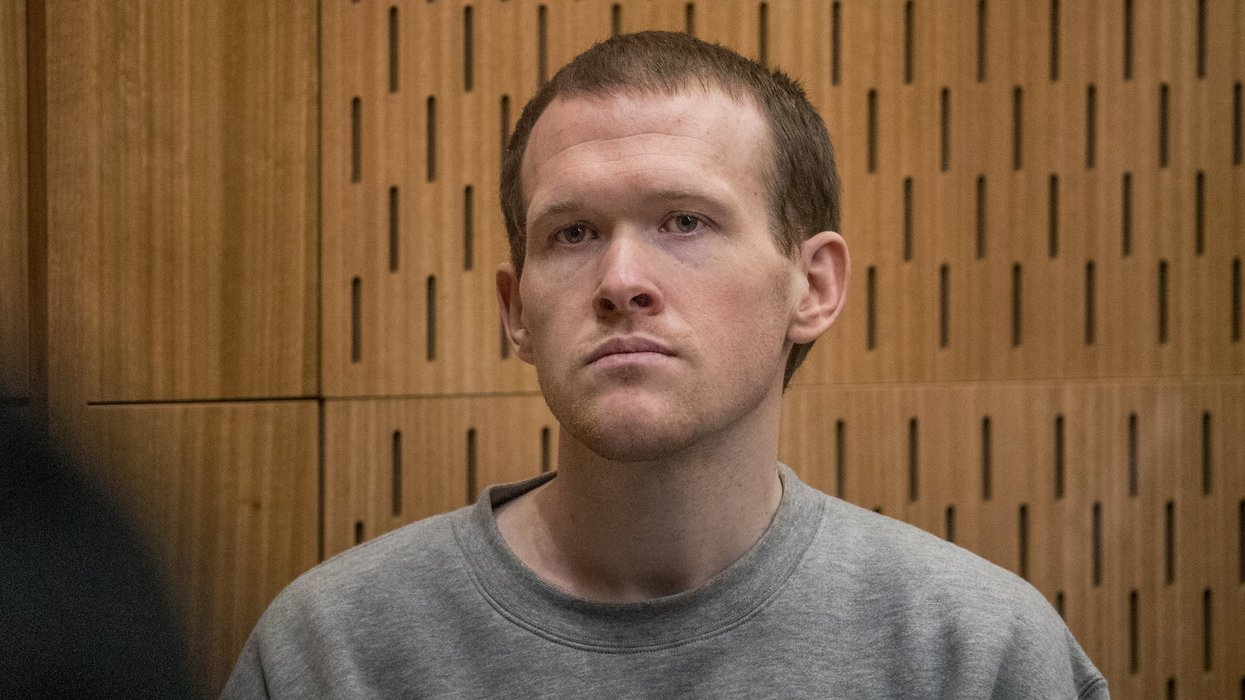
Brenton Tarrant was last seen at his sentencing in 2020
| GETTYHe said his deteriorating mental health was one of the contributing factors which led to him entering a guilty plea.
He told a panel of three judges that solitary confinement left him suffering "nervous exhaustion" by the time he entered the pleas and admitted to his crimes because he felt there was "little else I could do".
Tarrant said: "It was a decision induced by the conditions, rather than a decision I rationally made."
He also claimed that prison guards played mental games with him.
LATEST FROM NEW ZEALAND:
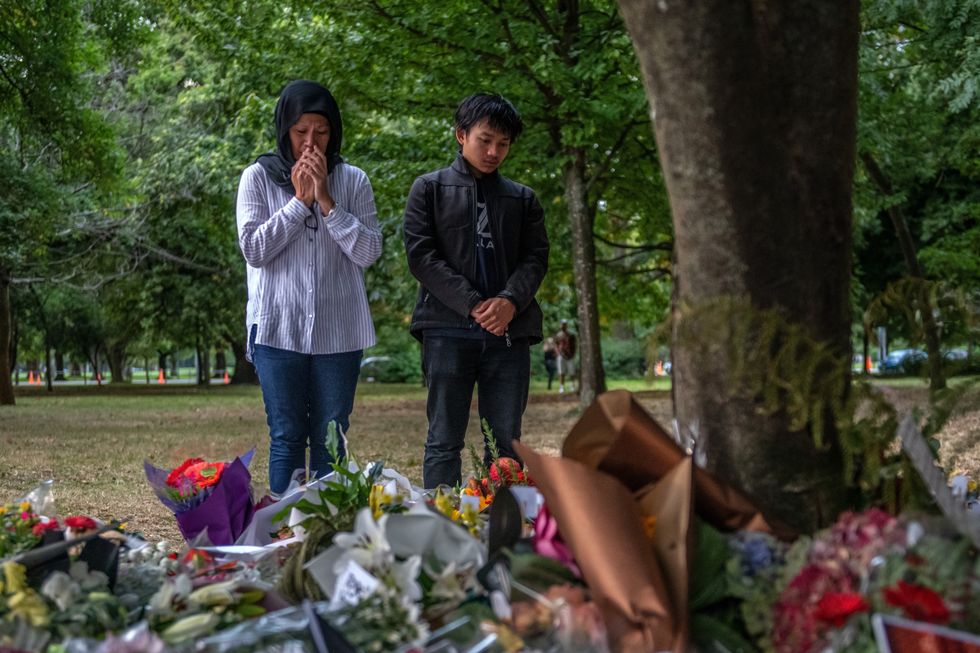
The Christchurch shooting was one of the worst mass shootings in
|GETTY
He said: "They kept saying they couldn't hear me. They would say, 'We don't know what you're saying, we can't understand'."
Crown lawyer Barnaby Hawes said there was little evidence to suggest Tarrant had a serious mental health issue.
Mr Hawes said there were other options the Australian could have pursued, including delaying his trial date on mental health grounds, or defending himself at trial.
Tarrant said he made a late application as he did not have access to the information required to submit it.
The conditions and ability to enter the guilty plea will be the primary focus of the hearing, according to court documents.
It said: "The central issue before the court will be whether at the time Mr Tarrant entered his guilty pleas he was incapable of making rational decisions as a result of the conditions of his imprisonment, which he says were torturous and inhumane."
If the court grants the application to vacate the pleas, the case will be sent back to the high court for Tarrant to stand trial.
If declined, a further hearing will occur to consider his sentence appeal later this year.
Victims and their family members are watching the events via delayed broadcast, while the courtroom itself is off-limits to the public.
Aya al-Umari lost her older brother in the attack.
She told the BBC: "I very distinctly remember that I left court after the sentencing thinking 'Right, the trauma chapter is now closed, time to heal, time to focus on your own mental well-being', but then it pops up again and again."
Tarrant moved from Australia to New Zealand in 2017, the same time prosecutors said he planned his attack against the Muslim community.
Active online, he posted a "manifesto" and livestreamed parts of the attack on Facebook.
In the aftermath of the attack, Jacinda Ardern's Government banned semi-automatic weapons and passed stricter gun laws.
More From GB News