

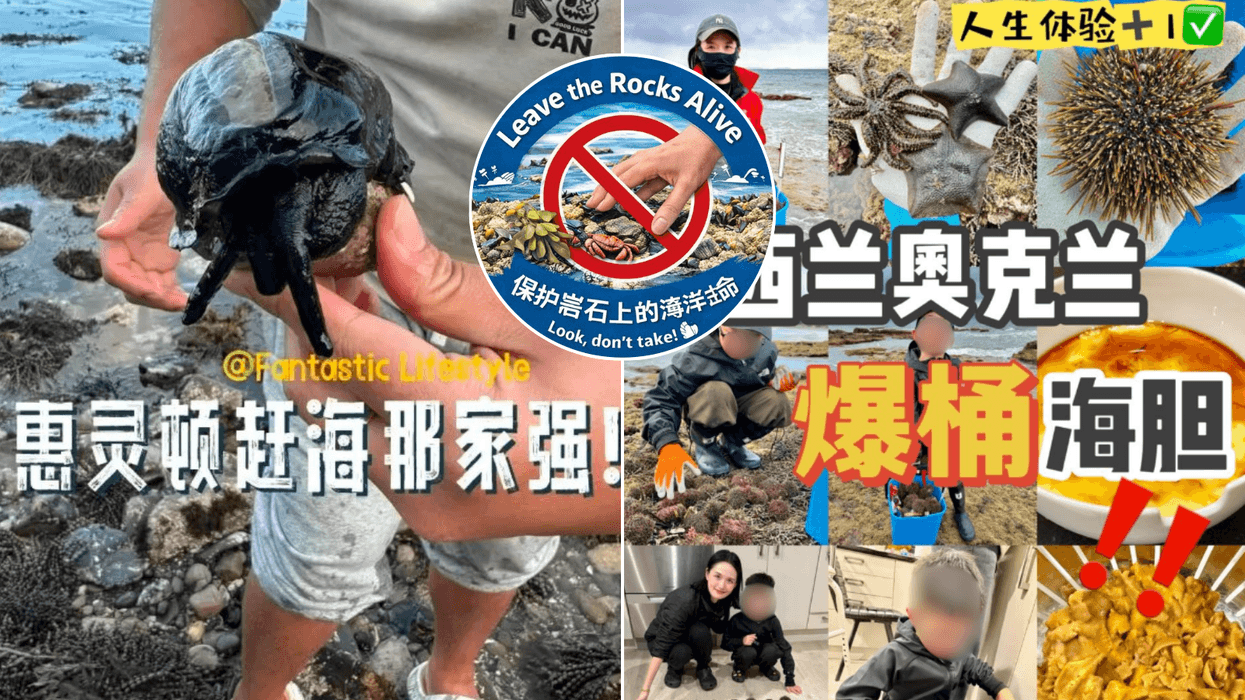









A seaside town in New Zealand has launched a fierce protest against "Chinese bucket people" stripping their beaches bare of wildlife.
Locals in the Whangaparaoa Peninsula have seen their shores depleted at an unprecedented rate, with "gatherers" arriving equipped with buckets and chisels to harvest shellfish and other species directly from the beach.
Chinese social media users have posted photos and videos of groups removing sea creatures from the water, sparking outrage among locals.
In some, children can be seen posing with large buckets of the stolen animals.
As a result, the town has been forced to erect signage along the beach in Mandarin demanding that visitors leave the rocks alone.
Mark Lenton, a long-standing resident who established the Protect Whangaparaoa Rock Pools campaign group, has identified Army Bay, Okoromai Bay and the waters surrounding Shakespear Regional Park as the worst-affected sites.
"What used to be rich with sea life is now frequently bare," Mr Lenton told local media.
He said daily harvesting operations, sometimes conducted by large groups of "bucket people", have rendered local species increasingly rare or killed them off entirely.
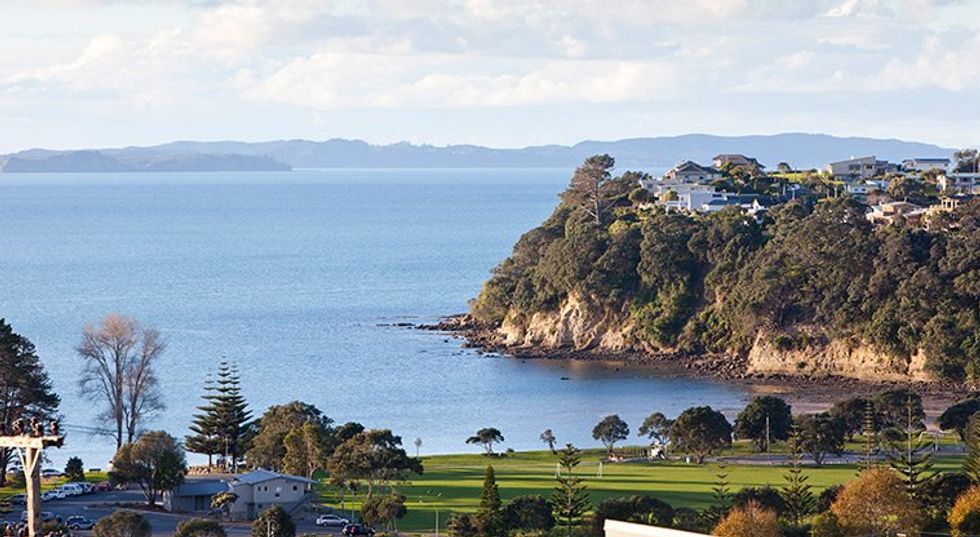
Whangaparāoa Peninsula residents have sounded the alarm over what they describe as the systematic stripping of marine life
|AUCKLAND COUNCIL
Limpets, snails, hermit crabs and anemones are among the creatures which have largely vanished from pools that were once teeming with life.
The local Maori tribe, the Ngati Manuhiri, has taken formal steps to address the crisis, lodging an application with the Minister for Oceans and Fisheries under Section 186A of the Fisheries Act.
The request seeks a ban on shellfish and seaweed collection throughout the Rodney and Hibiscus Coast region.
Should the tribe gain approval, the closure would remain in effect for a minimum of two years, allowing depleted marine populations time to recover.
NEW ZEALAND - READ THE LATEST:
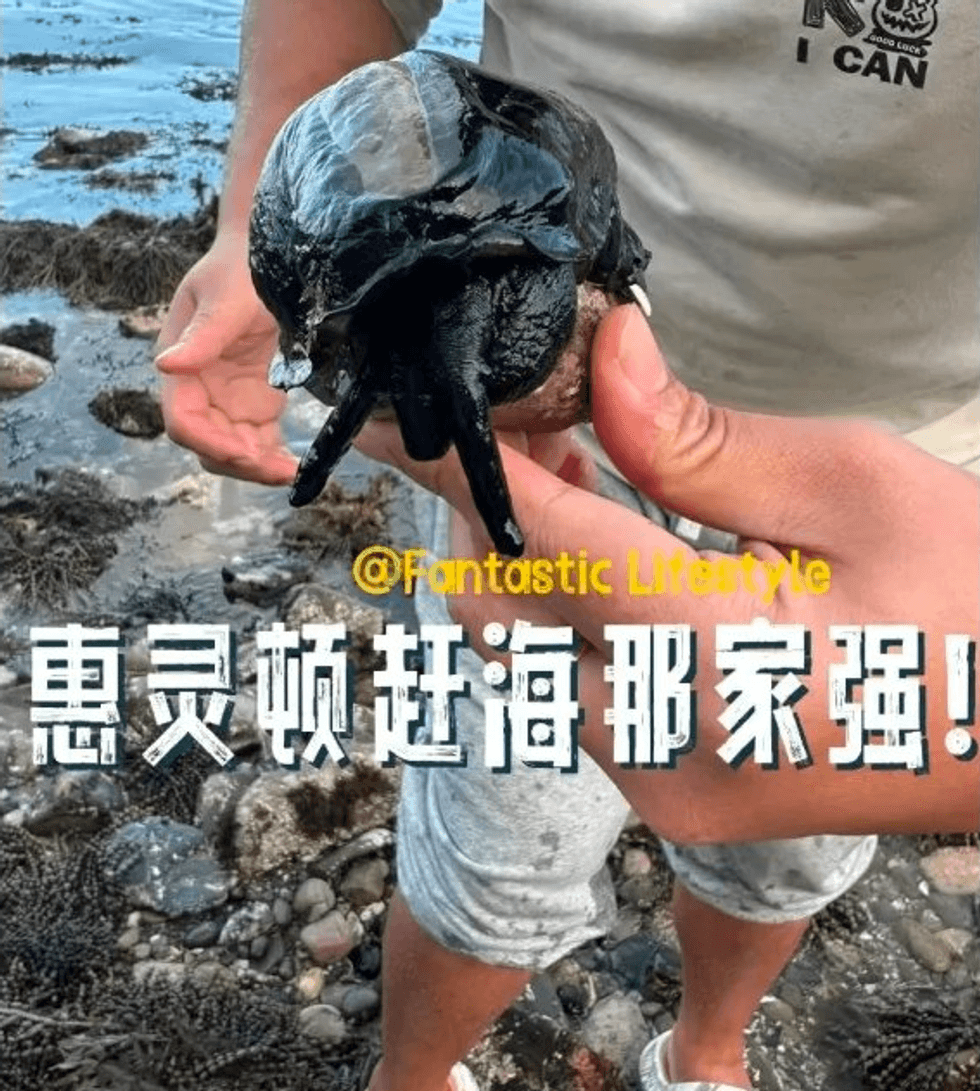
Chinese social media users have posted photos and videos of groups removing sea creatures from the affected areas
|Fisheries New Zealand has also stepped up patrols along the affected coastline, though officers have said that recreational fishers generally comply with existing regulations.
But residents maintain that the sheer volume of harvesting far exceeds what the ecosystem can sustain, preventing natural replenishment of the rock pools.
Volunteer groups and local schools have taken it upon themselves to carry out biodiversity surveys, and have seen substantially lower species counts in heavily harvested areas compared with undisturbed sites.
A peaceful protest is also scheduled for this weekend at the Army Bay boat ramp.

Fisheries New Zealand has stepped up patrols along the affected coastline
|GETTY
Participants are expected to call for strengthened protections, greater public awareness and more robust conservation legislation to preserve the intertidal habitats cherished by generations of beachgoers.
Further out to sea, Chinese vessels have been slammed over illegal fishing activities across the Pacific Ocean.
The US-based Brookings Institute said: “Chinese fishing practices present a truly unique and dire unregulated fishing threat.”
It added that Beijing-linked boats were being used to "devastating effect" in a bid to meet the country's huge demand for seafood.