









A popular British tourist hotspot has issued a pre-alert for "coastal phenomena".
The Government of the Canary Islands issued the pre-alert for the archipelago, effective from 9pm today, April 7.
The local government said its decision is based on information provided by the State Meteorological Agency and other available sources.
A spokesman said the decision "is in accordance with the Canary Islands Specific Emergency Plan for Risks of Adverse Meteorological Phenomena (PEFMA)".
TRENDING
Stories
Videos
Your Say
"NW swell of 3-4m across all islands. Locally, N or NW winds of force seven between La Gomera and Tenerife. Low tidal coefficient," a spokesman said.
"Swell period peaking at 17m this afternoon/evening and gradually decreasing during Wednesday morning, with tidal coefficients of 37 and 29 on Wednesday and Thursday, and 28 on Friday.
"High tide times will be: 5.37am and 5.57pm on Wednesday, April 8; 6.35am and 7.05pm on Thursday, April 9; 8.14am and 10.42pm on Friday, April 10."
The weather update comes as families across Europe will be jetting out to the Canary Islands for the Easter holidays.
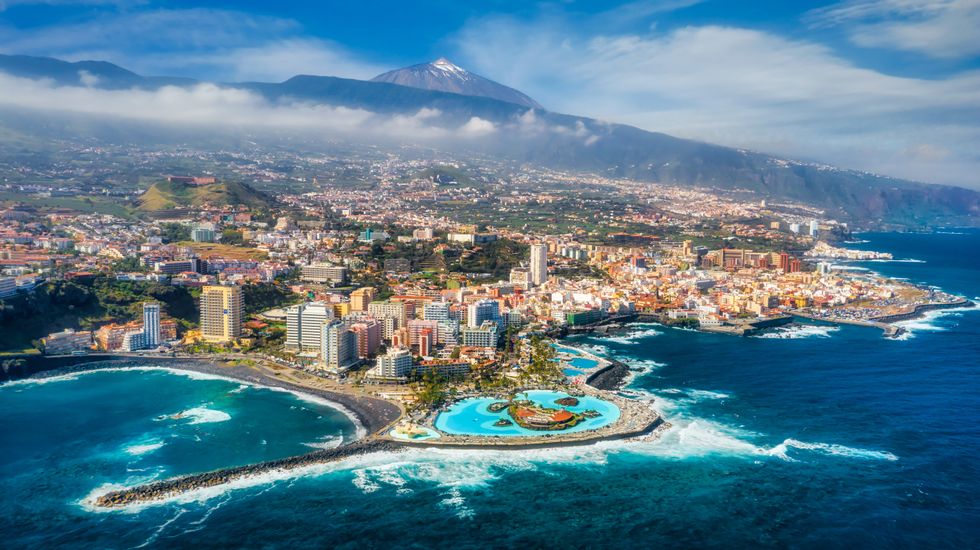 PICTURED: A view of Tenerife - with Mount Teide looming in the background | GETTY
Last month, British tourists found themselves caught up in the chaos after Storm Therese pummelled the Canary Islands with flooding and landslides.
In Gran Canaria alone, more than 3,000 people were displaced or left stranded following relentless overnight rainfall that triggered widespread flooding and severed access to entire communities.
Evacuees were forced to shelter at a secondary school, while emergency services cautioned that conditions may deteriorate further.
Authorities urged visitors to remain indoors as roads crumble, hotels sustain damage, and reservoirs threaten to overflow.
LATEST DEVELOPMENTS
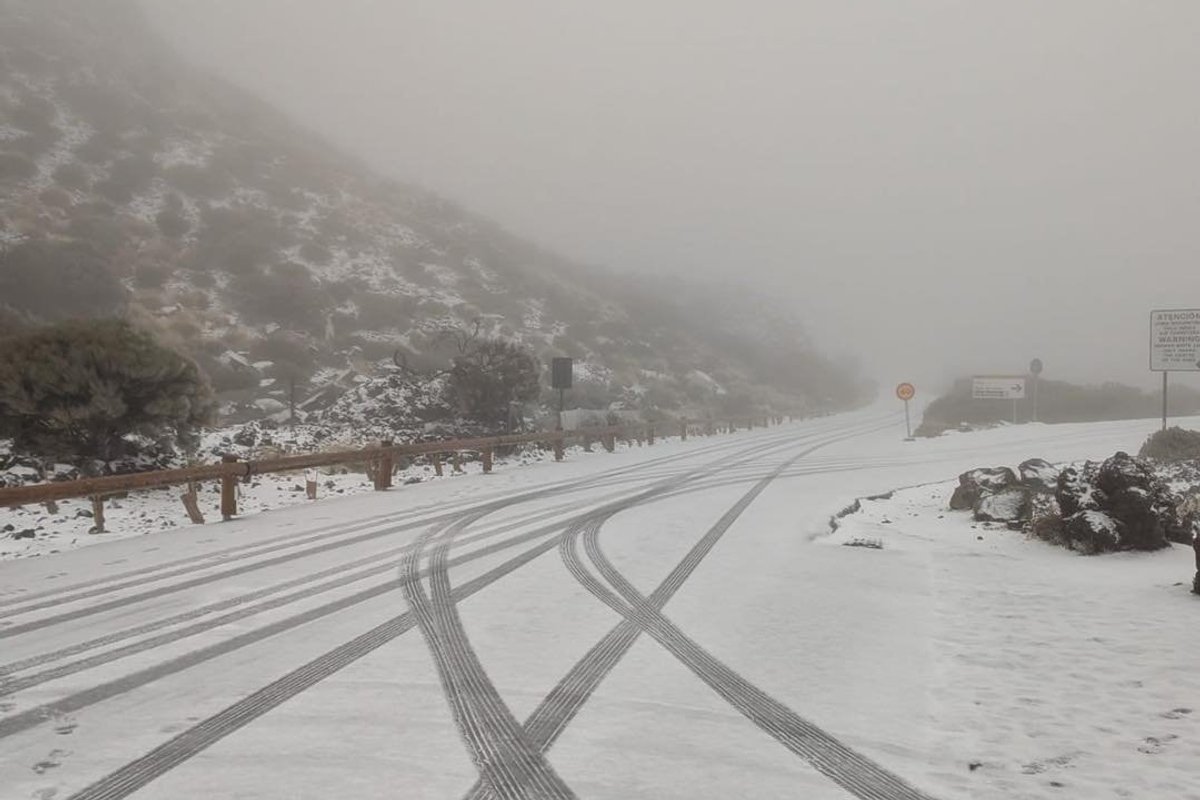
All access to Mount Teide was closed after snowfall
| ISLAND COUNCIL OF TENERIFELandslides rendered more than 10 roads impassable, isolating significant portions of the island, while a major route was closed after the Arguineguin ravine burst its banks.
Popular tourist destinations such as San Bartolome de Tirajana, Santa Lucia, Mogan and Telde have been severely impacted.
Mountain access roads remain treacherous, while coastal properties in Pozo Izquierdo have been battered by fierce winds and sea spray.
In Tenerife, winds reaching 73 mph overnight knocked out electricity and street lighting across parts of the southwest and northwest, leaving 30 people without power.
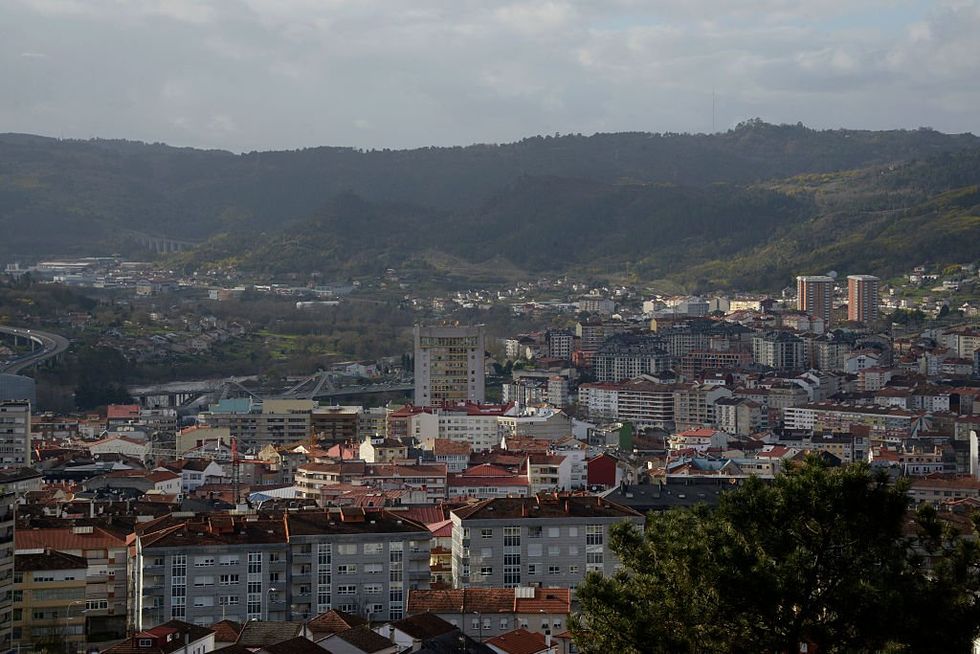
The calima can often impact the Canary Islands, Portugal and northern Spain
|GETTY
Back in February, the Canary Islands government declared a "state of pre-alert" due to a Saharan dust cloud creating a haze, known as a "calima".
It warned that the calima can "cause reduced visibility and could cause or worsen health problems for people with chronic and/or respiratory illnesses".
People should also avoid engaging in "strenuous physical exercise” for the duration of the calima.
Motorists should also take extra precautions such as turning on lights and reducing their speed.