










Canadian MPs have voted to scrap a long-standing religious exemption from the country's hate speech laws, following a deal struck between the Liberals and the Bloc Québécois.
The fiery Commons committee meeting on Tuesday saw Liberal MPs back an amendment to Bill C-9, known as the Combating Hate Act, that would remove protections for those quoting religious texts.
Under current rules, anyone expressing views "in good faith" and "based on belief in a religious text" can avoid prosecution for hate speech.
The Bloc has pushed for years to close what it sees as a loophole that allows homophobia, antisemitism and racial abuse to hide behind religious justification.
Bloc justice critic Rhéal Fortin argued: "If Bill C-9 is to truly fight hate crime, we have to remove this religious exemption."
The fallout began after radical imam Adil Charkaoui called for all "Zionist aggressors" to be killed.
Mr Charkaoui claimed his remarks were a prayer and therefore could not, under the existing law, be classed as hate speech.
The Quebec prosecutor’s office concluded in May of last year that no criminal offence had been committed.
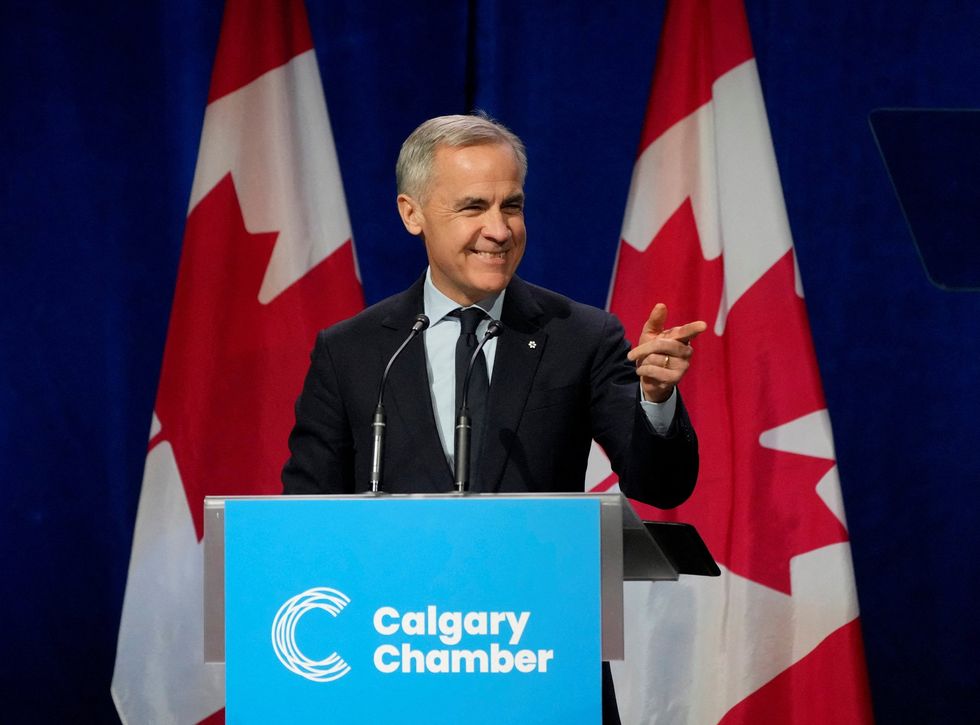
Mark Carney’s Liberal government have voted to scrap a long-standing religious exemption from the Canada's hate speech laws
|REUTERS
The proposed amendment has sparked fierce opposition from religious communities and Conservative MPs alike.
Pierre Poilievre, the Conservative leader, posted on X that the change would "criminalise sections of the Bible, Qur'an, Torah and other sacred texts."
Meanwhile, his colleague Andrew Lawton described it as a "full-scale assault on religious freedom."
The Canadian Conference of Catholic Bishops wrote to Prime Minister Mark Carney expressing "significant concerns," arguing the exemption has served as "an essential safeguard" protecting Canadians from prosecution for sincere religious expression.
LATEST DEVELOPMENTS

Conservative leader Pierre Poilievre posted on X that the change would 'criminalise sections of the Bible, Qur'an, Torah and other sacred texts'
|REUTERS
Haseeb Hassaan from the National Council of Canadian Muslims said: "I think all Canadians can recognise that this is an issue that affects all of them, including religious and non-religious Canadians."
Justice Minister Sean Fraser has firmly rejected claims that the amendment threatens religious freedom.
Speaking at a press conference on Tuesday, he insisted it would "in no way, shape or form, prevent a religious leader from reading their religious texts, it will not criminalise faith."
Mr Fraser went further, saying that suggesting otherwise was "a perversion of the values that the major religions in this country and around the world stand for."
The minister pointed out that constitutional protections for freedom of religion and expression remain firmly in place.
He also noted the government isn't aware of any case where the exemption has actually been used to acquit someone charged with hate speech, suggesting it may be redundant anyway.
The bill still needs to clear third reading in the House before heading to the Senate.
Beyond the religious exemption row, Bill C-9 contains several other measures designed to tackle hate crime.
It would make obstructing access to places of worship punishable by up to 10 years in prison, covering everything from blocking doors to roads outside synagogues, mosques and other gathering places.
The legislation also targets the public display of terror and hate symbols, including those linked to Hamas, Hezbollah and the Islamic State.
Our Standards: The GB News Editorial Charter