





A Royal Commission looking into the deadly Bondi Beach shooting has been accused of failing to address Islamist extremism in Australia.
The interim report, released on Thursday, found "no issue requiring urgent or immediate action" despite the attack claiming 15 lives at a Jewish gathering in December.
Former High Court judge Virginia Bell delivered 14 recommendations to the Australian Government, though five are secret due to national security considerations.
A Royal Commission is Australia's most powerful form of inquiry - and it was finally established in January after Prime Minister Anthony Albanese caved to pressure.
Two gunmen had targeted a Hanukkah celebration at the Sydney beach - marking the country's deadliest mass shooting in nearly three decades.
On December 14, Sajid Akram, 50, and his son Naveed opened fire at a Hanukkah event, armed with rifles and shotguns.
Police shot dead the elder Akram at the scene.
His 24-year-old son sustained critical injuries and was later moved from hospital to prison.
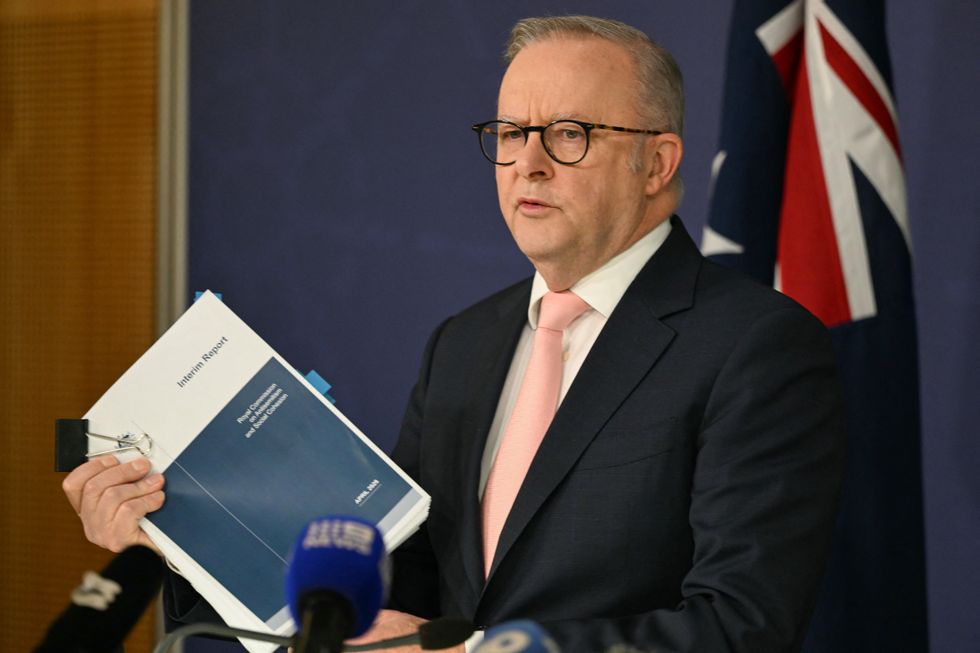
Prime Minister Anthony Albanese caved to pressure to establish a Royal Commission in January
|GETTY
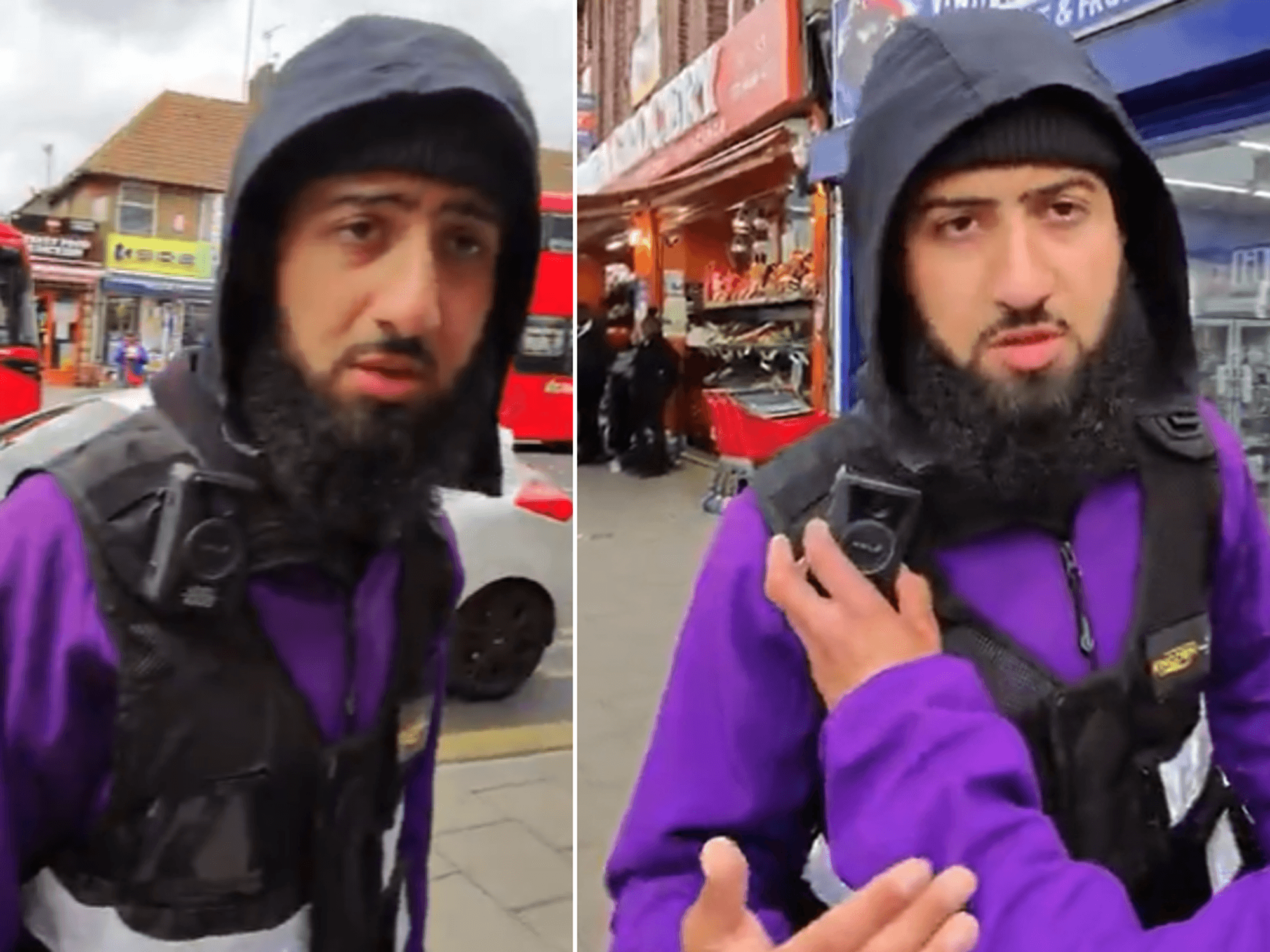
Naveed Akram faces 59 charges, including 15 counts of murder and committing a terrorist attack.
His case being active means the scope of the report has been limited - but the president of the Australian Jewish Association, Robert Gregory, told Sky News Australia its credibility was weakened by a "failure to address Islamism".
"The report's credibility is undermined by its failure to address the issue of radical Islamist extremism,” he said. "No serious analysis of the lead-up to the Bondi massacre can ignore this."
Mr Gregory also rejected the report's failure to recommend any immediate law changes.
"It's concerning that the report identifies no urgent legislative changes required," Mr Gregory said.
The report did, however, urge state and federal authorities to prioritise "nationally consistent" firearms reforms and a gun buyback scheme.
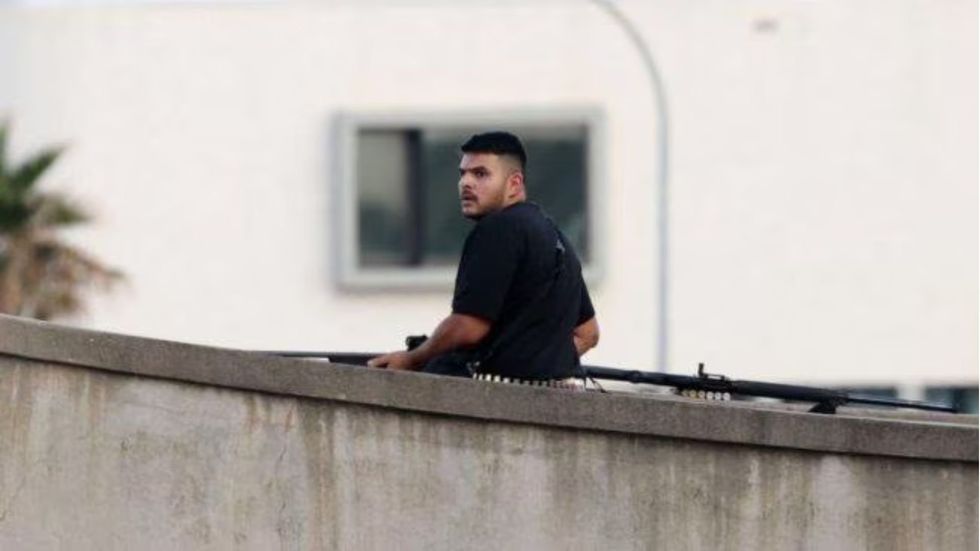
Naveed Akram faces 59 charges, including 15 counts of murder and committing a terrorist attack
| SUPPLIEDBut Queensland has rejected both the buyback programme and proposed caps on gun ownership.
Ms Bell's report also recommended extending New South Wales police procedures for Jewish holy days to cover other "high risk Jewish festivals and events, especially those with a public facing element".
Additional recommendations include reviewing Australia's joint counter-terrorism teams, comprising federal and state police alongside the Australian Security Intelligence Organisation.
The report also called for making the counter-terrorism commissioner's position full-time and requiring the Prime Minister and his Cabinet to participate in counter-terrorism exercises within nine months of each federal election.
Mr Albanese confirmed his National Security Committee would implement all the inquiry's recommendations.
He said the report showed "no urgent changes" were required - but that governments "could always do better".
David Ossip, President of the NSW Jewish Board of Deputies, said the report was "an important first step" in examining the circumstances around the attack but that it was "only part of the picture".
Antisemitism was "not only a law enforcement issue" but a "societal issue" and "the environment for Jewish Australians had been deteriorating well before Bondi", he said.

Queensland has already rejected the buyback programme and proposed caps on gun ownership
|GETTY
Alex Ryvchin, of the Executive Council of Australian Jewry, told the ABC there were still "burning questions" surrounding the attack including how the Akrams were able to acquire firearms and why the festival hadn't been better resourced by police.
Initially, Mr Albanese resisted calls for a Royal Commission, arguing it would lead to "disunity in the community".
He instead proposed a review by former spy chief Dennis Richardson into intelligence and law enforcement agencies.
Mounting pressure from victims' families, politicians and public figures forced the PM to reverse course.
A New South Wales state inquiry and the earlier review were absorbed into the federal commission.
Public hearings start on Monday, examining antisemitism's definition, its manifestations in society, and Jewish Australians' lived experiences.
The inquiry's final report is set to be delivered on the anniversary of the attack this year.