

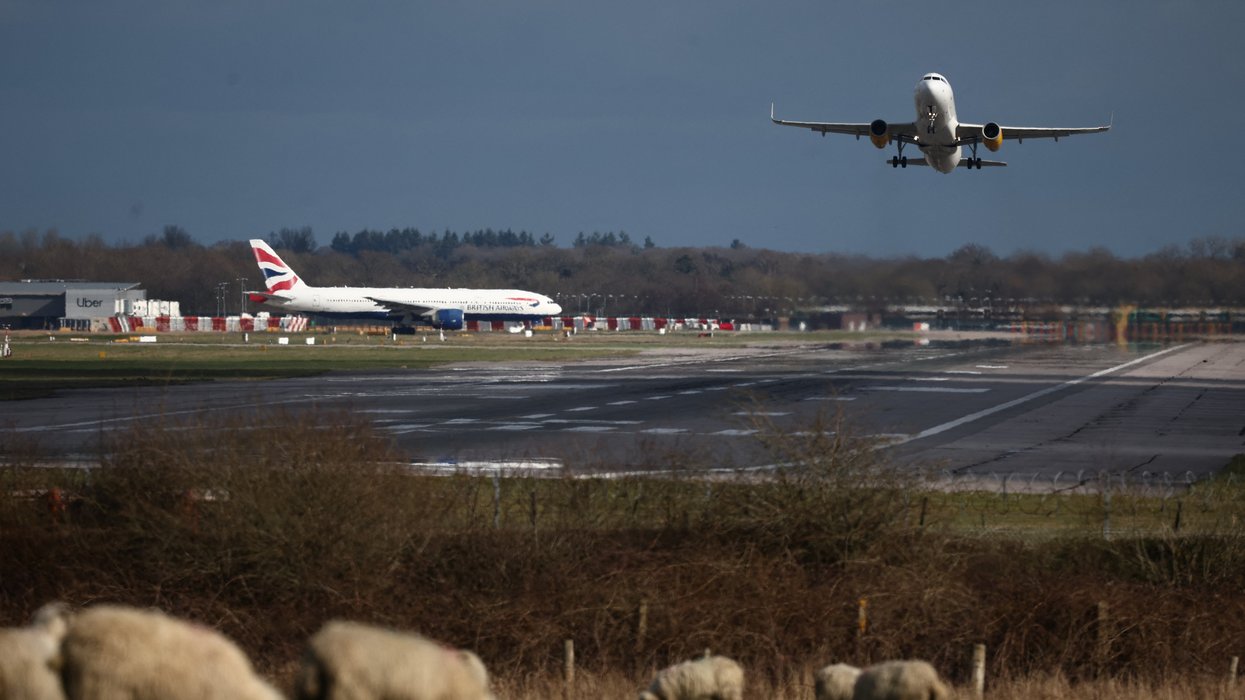









A UK airline has cancelled its London flights, owing to surging fuel prices.
Skybus, which operates daily flights between London Gatwick and the seaside town of Newquay, confirmed its decision this morning.
The company only started offering the route in November 2025 after Eastern Airways went into administration.
The service was set to end on May 31, but it will now be ending two months earlier than scheduled.
The airline’s Managing Director Jonathan Hinckley said a number of factors were at play.
A rise in fuel costs and a lack of passenger bookings were among them.
He explained: “At a time of great economic uncertainty and steps being taken to conserve energy worldwide, it is either environmentally nor economically sound for us to continue flying with vastly reduced passenger numbers.”
Affected passengers will receive full refunds.
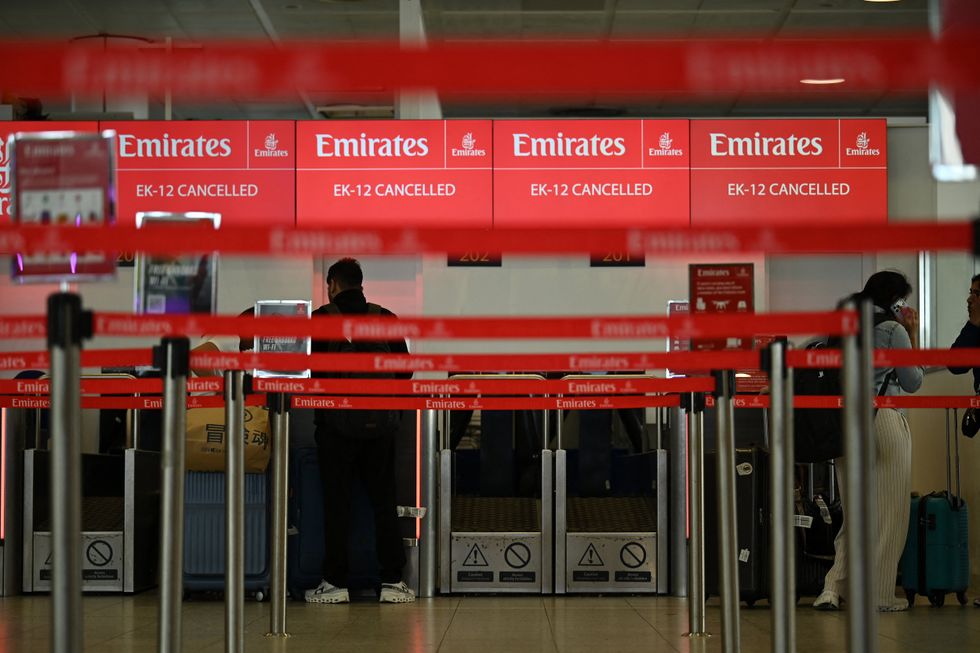
The news is likely to frustrate those travelling to the capital from Cornwall
| PAThe flights take around one hour and 20 minutes and start from £79.99 each way.
This represents a faster and cheaper option than the train, which takes around five hours and includes a change.
Ryanair offers flights between Newquay and London Stansted all year round.
And easyJet is set to start a new flight route to Newquay from June 23.
LATEST DEVELOPMENTS
- Wizz Air launches its biggest summer schedule ever including 6 new Spanish routes - returns from £50
- British Airways shakes up its on-flight menu as it becomes first airline to serve new drink option
- Wizz Air passengers can now order food and get entertainment on their phones in inflight overhaul
A Cornwall Airport Newquay spokesperson said: “We are actively working with airline partners to secure sustainable London connectivity for the future.”
The ongoing crisis in the Middle East has resulted in similar warnings from across the aviation sector.
Ryanair boss Michael O’Leary has warned of travel chaos in the summer.
He said: “We don’t expect any disruption until early May, but if the war continues, we do run the risk of supply disruptions in Europe in May and June.”