

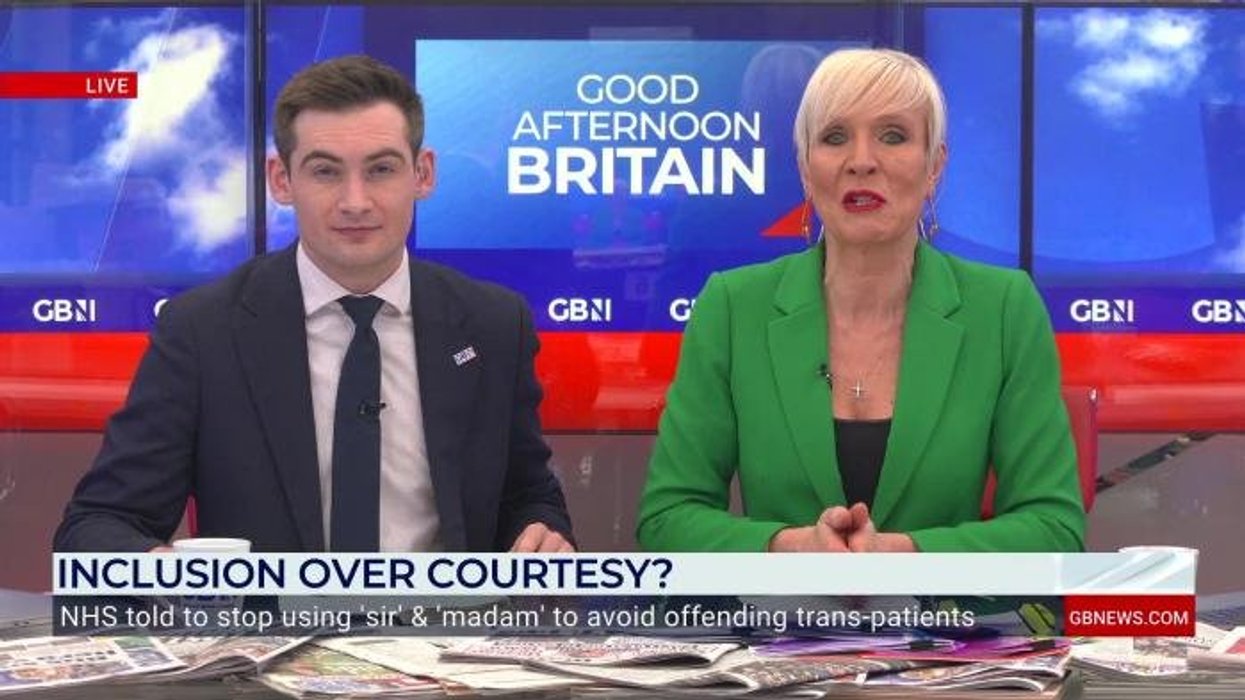









A gender-critical campaigner has slammed the NHS over its latest move in its pursuit of inclusivity.
The health service has urged its staff to learn their patients’ pronouns before proceeding with a conversation.
Helen Joyce from gender-critical campaign group Sex Matters has hit out at the body, saying the move “doesn’t make sense” and forces staff to use “unnatural language”.
Responding to her on GB News was LGBTQ+ activist Matthew Hulbert who argue it is “basic politeness”.
TRENDING
Stories
Videos
Your Say
Internal training documents at Birmingham and Solihull Mental Health NHS Trust state that those uncertain about a patient's pronouns are advised that "using they/them is a good approach," according to the materials.
Hitting out at the advice, Ms Joyce told GB News: "I think it's the standard use of the word inclusive to mean exclusive. These days, a far larger number of people find the words 'sir' and 'madam' polite and natural, in particular older people, who don't tend to like to be addressed just by their first name or whatever.
"And 'sir' and 'madam' seemed to them to be respectful. I know quite a few people who have what we might call a gender nonconforming appearance, tall women with short hair, and recently, they found that they tend to be asked their pronouns, and they find this deeply offensive, as if it's not obvious that they're women."
She added: "And then lastly, it's this wider move within the health care system to pretend that health care workers aren't meant to be thinking about people's sex generally, that they're meant to be using unnatural language to pretend that they don't know what sex anybody is until that person has said it.
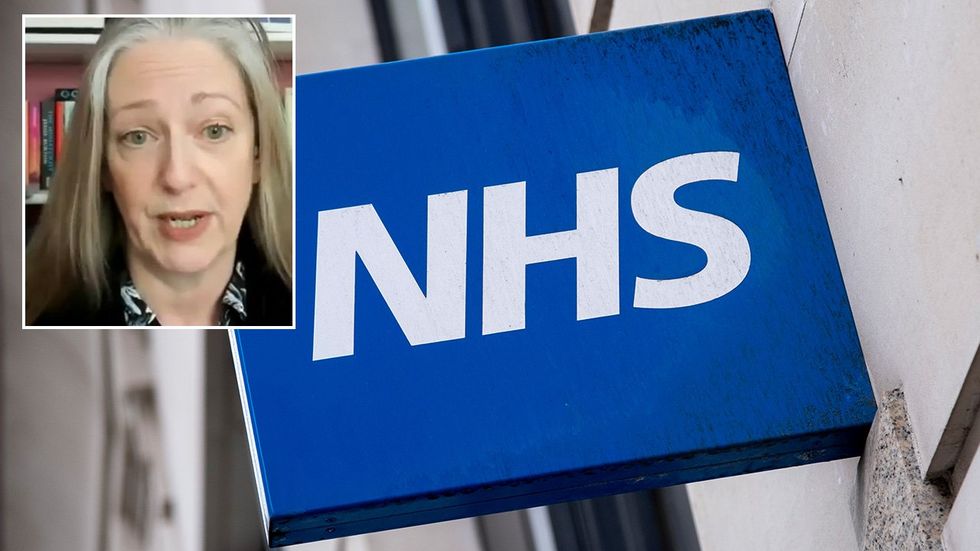
The NHS has been slammed for advising against using 'sir' or 'madam' terminology
|GB NEWS / GETTY
"But sex is essential for health care, so it's dangerous. It slows down communication, it's exclusive instead of inclusive, and frankly, it just makes people sound like idiots."
Disagreeing with Ms Joyce, Mr Hulbert responded: "I can tell that I've got a job on my hands to try and to convince you that this is a good thing, but let me give it a good go for just a second.
"From what I've read, this is kind of optional advice training that staff members could go to if they wanted to, and I think it's a good thing because it is all about respecting the individual."
He added: "It's not banning sir and madam, all it's saying is that when health professionals meet someone for the very first time, that they don't just assume they know what their pronouns are, that they just take a moment to ask.
LATEST DEVELOPMENTS
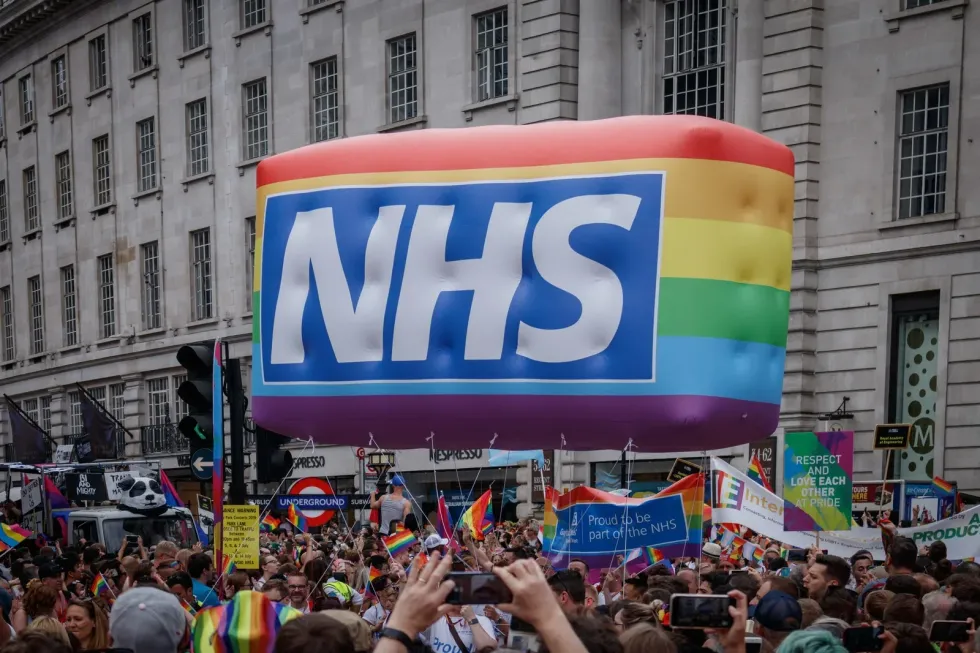
NHS staff have been told to stop calling patients 'sir' and 'madam' to avoid offending trans people
|GETTY
"And then once they know if it's there, they can use sir, if it's madam, they can use madam. If it's someone who considers themselves non-binary, they can say they/them - it's really not too much to ask to be polite to someone now is it?"
Advocating for gender-fluid individuals who will not like being called 'sir' or 'madam', he told GB News: "There are people, and your other guest may not like this, you too may not like it, but there are people who consider themselves non-binary or gender fluid, and for those people to call them sir or madam wouldn't be correct."
Hitting back at Mr Hulbert, Ms Joyce responded: "Kudos to your guest for trying, I really sympathise here, but it doesn't seem polite to me to start with the presumption that ordinary words that are time honoured, to drop them and to confuse people in that very first moment.
"That first moment where you meet somebody, you just want to speak naturally and engage with them, and if then the other person wants to say to you, excuse me, I don't actually like you using my first name, can you call me whatever or they say, that's not the right name on the form, I don't use my married name anymore - of course, you as a professional will respond to that, and you will act politely to every person that you meet."

Mr Hulbert told GB News it is 'basic politeness'
|GB NEWS
She added: "That's not what's happening here, though. This isn't politeness, this is an ideological attempt to say that we don't know what sex people are, we don't know how people identify. They identify as something that's more important than their sex in a healthcare setting. That makes no sense.
"You start with the fact that you can see in front of you, and then if someone wants to ask you to refer to them differently, of course, you as a professional would respond to that appropriately."
Mr Hulbert concluded: "I just think it's about respecting the individual, and I think it can be done in a perfectly professional way. Just takes a few seconds to establish what the how the person wants to be referred to.
"And then for the whole of the rest of their time in hospital. The staff know, the doctors know, everyone else knows, and that's how they're then referred to. I mean, I just think it's basic politeness."
More From GB News