




A ban on social media for under-16s risks making children less safe, not more, the head of Scotland’s national children’s charity has warned.
Mary Glasgow, Chief Executive of Children First, said government proposals to block children from social media risk driving youngsters onto the dark web and dumping responsibility for adult failure onto children.
She warned the plan may look good on paper but collapses under real-world pressure - and could expose the most vulnerable children to even greater harm.
Her intervention comes as ministers in England consider sweeping restrictions on children’s access to social media, amid mounting concern over anxiety, bullying, grooming and exposure to sexual content online.
TRENDING
Stories
Videos
Your Say
But Ms Glasgow said banning children is not the same as protecting them. “I don’t think jumping to solve a very complex, nuanced, difficult problem with very blunt solutions is going to be the answer,” she said.
Teenagers, she said, are already adept at bypassing controls - using remote servers, VPNs, fake birth dates, borrowed IDs and alternative platforms. Cutting off mainstream apps will not make children disappear from the internet. It will simply push them elsewhere.
Speaking on the Family Talk podcast, run by children’s care service, Care Visions, Ms Glasgow warned: “We may force some of the most vulnerable children into corners of the dark web, where they will be even more vulnerable than they are currently.”
She said those spaces are harder to police, harder for parents to understand, and far more attractive to those who want to groom, exploit or extort children.
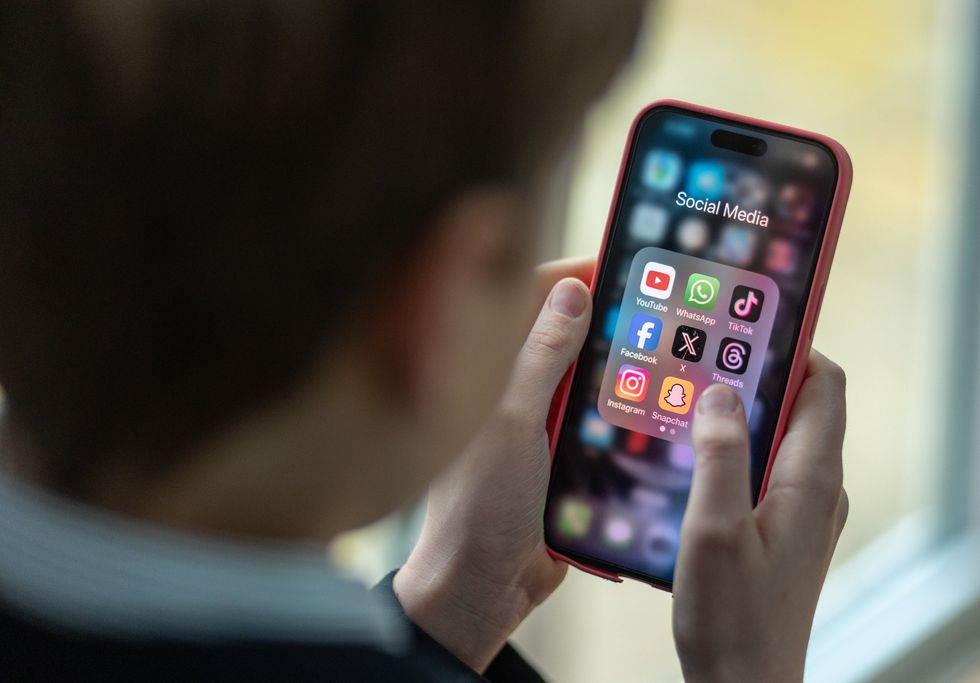 Labour is planning to ban social media for under 16s | GETTY
“None of the platforms are safe,” Ms Glasgow said.
“But when you push children out of visible spaces, you make the risks harder to see - not easier to stop.”
Ms Glasgow also raised the issue quietly troubling parents, teachers and police: enforcement.
"If a 14-year-old uses a VPN to get around a ban - as many inevitably will - how are they supposed to be held to account? If children do get around the ban, who are we going to hold accountable?” she asked.
“Are we going to criminalise children? Are we going to criminalise their parents? Of course we’re not.”
LATEST DEVELOPMENTS
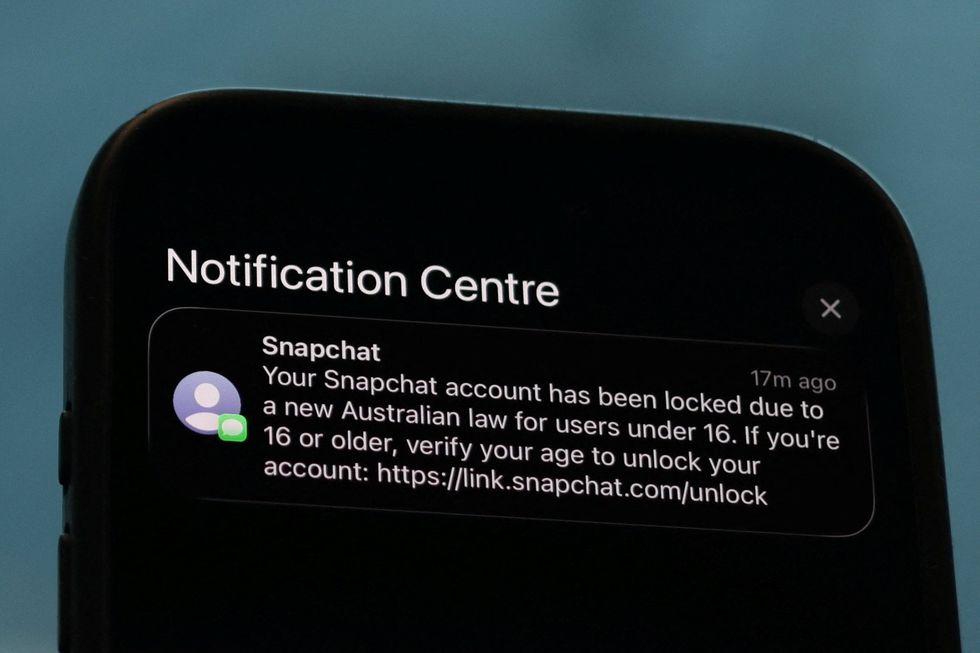
Britain could follow Australia's lead in introducing a social media ban for under-16s
| REUTERSShe urged politicians and the public to slow down and think. “It might be part of the solution,” she said, “but I don’t think it’s the whole solution.”
Without clear answers, she warned, the ban risks becoming symbolic lawmaking - tough headlines, with little actual protection.
“Laying the responsibility on children is an abdication of our responsibility as adults,” she said.
Ms Glasgow said the rush to ban social media reflects a deeper problem: adults trying to escape responsibility for a digital world they allowed to develop unchecked.
“We’re starting the decision-making at the wrong end,” she said.“We’re saying to children: you’re the problem - instead of holding to account the adults and companies who created this environment.”
She said years of weak regulation, addictive platform design and ineffective age checks - all overseen by adults - have been followed by children being treated as the culprits.
Ms Glasgow stressed she is not minimising the danger children face online. And she challenged the idea that children are safe simply because they are physically at home.
“The internet is a place,” she said.
X could be one platform young people will no longer have access to
| GETTY“You don’t know where they’re going when they’re in their room.”
She warned that banning familiar platforms could lull parents into a false sense of security, while children quietly move into riskier digital territory.
Government-backed research shows 98 per cent of two-year-olds now use screens daily, with heavy use linked to poorer emotional and behavioural outcomes.
Ms Glasgow said the issue should be treated as a public health crisis, not a moral panic.
She called for tougher regulation of tech companies, meaningful age-appropriate design rather than box-ticking age checks, clear national guidance for parents and carers, consistent school rules, and investment in youth clubs, sports and community spaces.
And, she said, children must be involved in shaping the response.
“We cannot make decisions without children, because we’ll miss stuff,” she said.
“They understand what’s going on much better than we do.”
Ofcom data shows around seven in ten UK children aged 11–17 say they have encountered harmful material online in the past month - including violent content, sexual material, harassment or hate.
Meanwhile, the not-for-profit Internet Watch Foundation says young people in the UK are being targeted “like never before” by “ruthless” criminals running sexual extortion scams.
Most involve boys aged 11 to 15, targeted by organised criminal networks who demand money or more extreme images, threatening to send material to friends or family.
The government has said it wants to strengthen children’s wellbeing online through a national consultation on phones, social media and screen use, building on the Online Safety Act.
Immediate measures include making schools phone-free by default, with Ofsted checking compliance, and issuing new evidence-based screen time guidance for parents, while longer-term options - including a proposed under-16s social media ban, tougher age checks and limits on addictive features - are being examined.
Technology Secretary Liz Kendall said: “Through the Online Safety Act, this government has already taken clear, concrete steps to deliver a safer online world for our children and young people.
These laws were never meant to be the end point, and we know parents still have serious concerns. We are determined to ensure technology enriches children’s lives, not harms them – and to give every child the childhood they deserve.”
More From GB News