

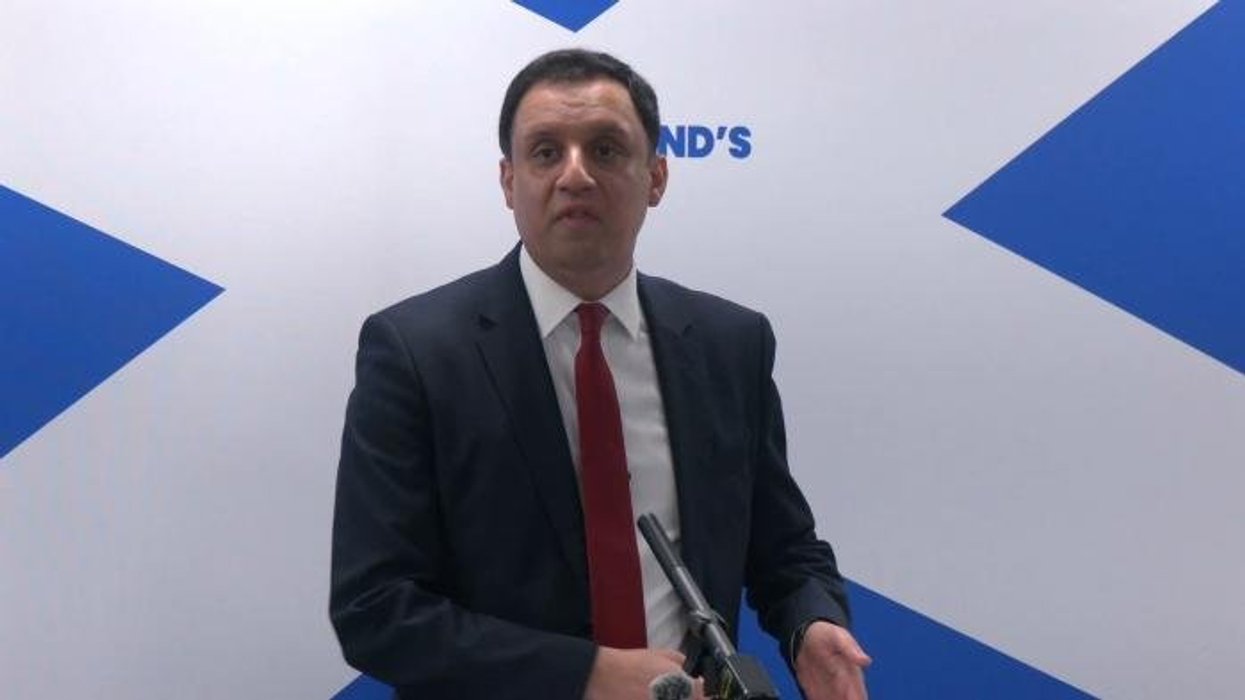







Scottish Labour leader Anas Sarwar has backed growing calls to ban social media for under-16s, believing “young people’s brains were not designed for this constant dopamine hit’ created by social media algorithms.
Speaking to journalists at a press conference in Glasgow, he laid out a series of goals to go further in protecting school children and crack down on antisocial behaviour in schools.
In addition to throwing Scottish Labour support behind the social media ban, he committed to banning phones in schools.
“We know that violence in the class room is on the rise,” he said, continuing, “we know that teachers and pupils do not feel safe in the classroom.
TRENDING
Stories
Videos
Your Say
“Children’s concentration spans and their mental health is being impacted by the use of their mobile phones at school and in the classroom.
“That’s why we will ban mobile phones in the classroom.”
On Tuesday evening, the House of Lords backed a Conservative amendment to stop students using mobile phones during school hours by 178 to 140, one week after the Lords got behind different legislation to ban under-16’s from accessing social media platforms.
Mr Sarwar told reporters on Wednesday, “I think the time has now come to ban social media platforms for under-16’s.”
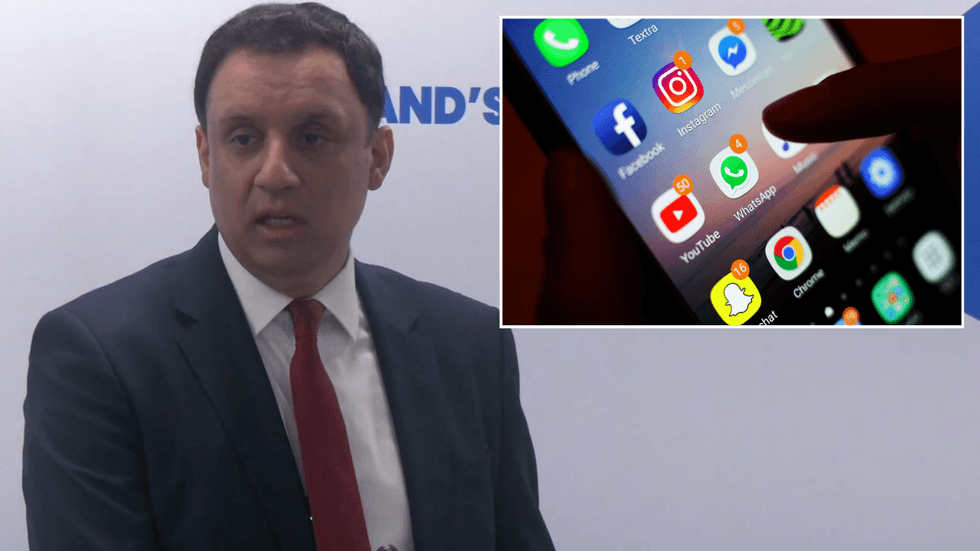
Anas Sarwar has backed an Australia-style ban
|GB NEWS / PA
Explaining his position, he explained, “young people’s brains were not designed for this constant dopamine hit that comes from many of the algorithms on these social media platforms.
“The reality is, with social media platforms and mobile phones, there is no respite often from a cyber-bully and cyber-bullying follows people in and out of the classroom, which in itself is having a negative impact on young people’s mental health and indeed on their broader opportunities in their life.”
Opposition to a social media ban has arisen from a number of unrelated sources.
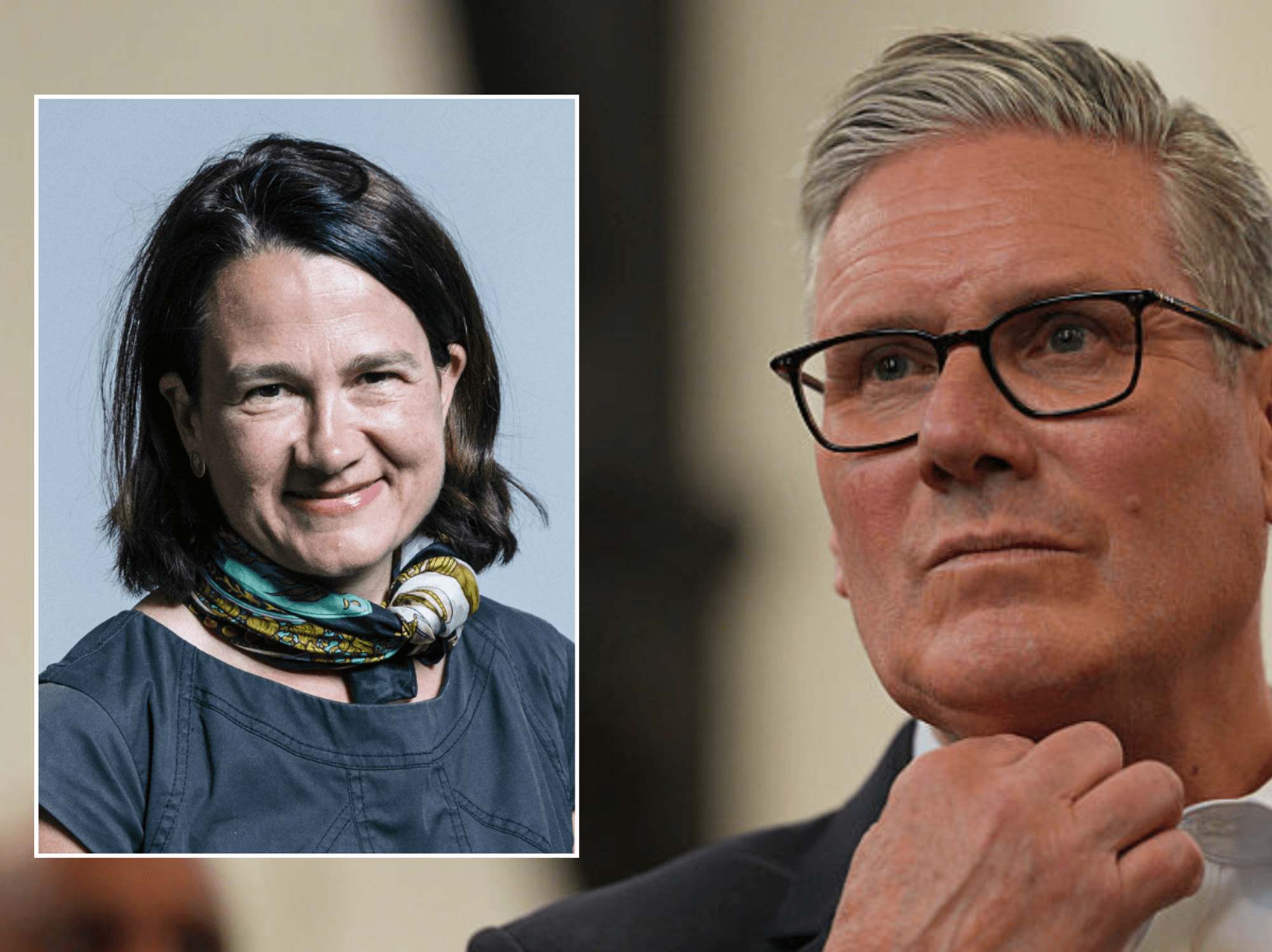
First Minister John Swinney urged Kemi Badenoch and supporters of a social media ban to consider that responsibility of child safety online rests on the shoulders of parents.
LATEST DEVELOPMENTS
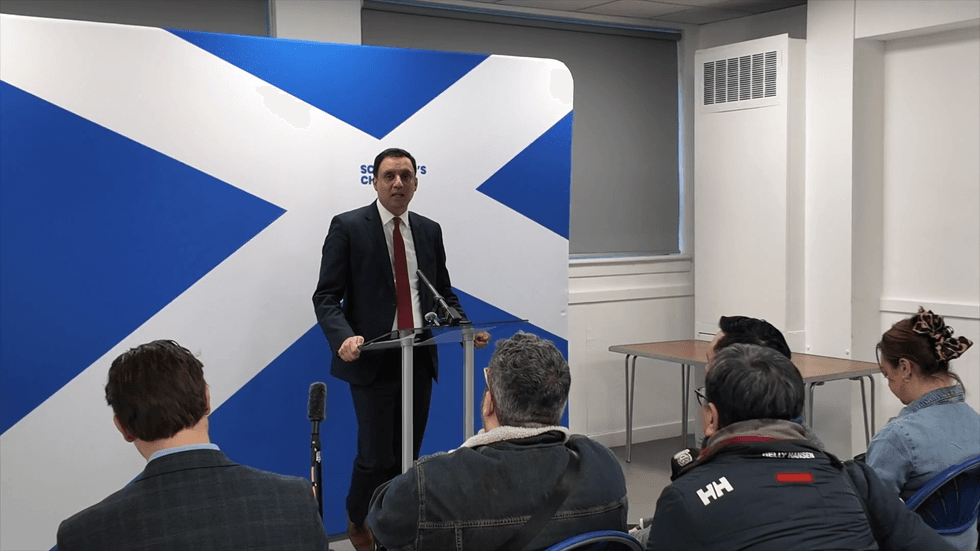
Mr Sarwar told GB News he remains steadfast in the belief young people need to be connected
|GB NEWS
Children First - Scotland’s national children’s charity - issued a statement encouraging politicians to broaden their approach: “Whether a social media ban is part of the solution remains to be seen, but it cannot be the only answer.
“The UK Government must work with the Scottish Government to use all available powers to protect children, learning from the recommendations of Ireland’s online health task force.”
GB News questioned Mr Sarwar about the risk of a social media ban for under-16’s in rural Scotland, where the number of real-world connections are contingent on geography and population.
“I firmly believe we need our young people to be connected,” he said.
“The challenge I would make though, is that I think social media is actually making us more disconnected rather than connected.
“So yes they may feel a false connected to a social media personality, but what has happened to the human connections: human connections within their own household; at school; in their own communities?”
Mr Sarwar admitted the policy didn’t go down so well within his own household, with teenagers of his own.
Despite a social media ban and a phone ban in schools being closely linked in terms of policy ideas, both are the remit of two governments.
With the regulation of media and broadcasting a reserved matter, Westminster’s decision on a social media ban would need to be rolled out in Scotland.
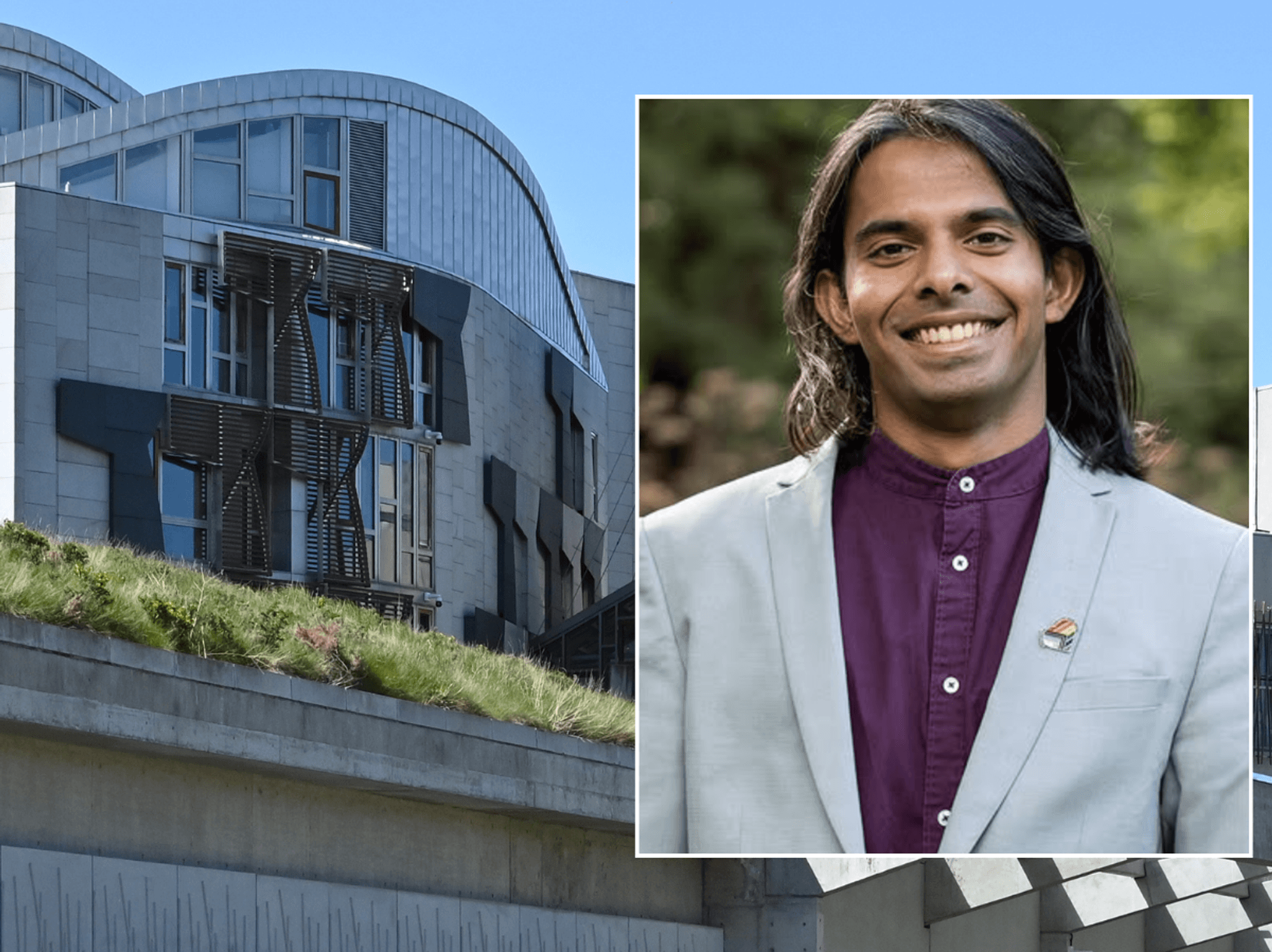
Conversely, education is devolved in Scotland and so a proposed phone ban falls within Holyrood responsibilities and therefore within Anas Sarwar’s wheelhouse if he should be elected as First Minister in May.
Regardless of attitudes towards the two proposed bans, there is greater unity of belief that teachers, parents and pupils are eager to see a stark reduction in violence and antisocial behaviour in classrooms across Britain.
More From GB News