





Soldiers from the 22 Special Air Service Regiment are leaving the service in substantial numbers amid concerns they face "witch hunts" from human rights lawyers.
Multiple sources have confirmed soldiers from the elite unit have submitted applications for premature voluntary release, with the departures described by SAS insiders as both significant and a "threat to national security".
The exact number of those resigning has not been disclosed for security reasons, although at least two squadrons, D and G, are understood to have experienced losses.
The wave of departures represents a considerable blow to the renowned regiment, which serves as the spearhead of British military operations worldwide and is deployed across the globe on sensitive missions.
TRENDING
Stories
Videos
Your Say
The resignations stem from fury over ongoing war crime investigations examining operations in Afghanistan and Syria, which those within the regiment have labelled as "witch hunts".
The manner in which elderly SAS veterans from the Troubles in Northern Ireland have been treated has further fuelled discontent, with insiders pointing to what they view as relentless legal pursuit through the courts on spurious allegations, some of which a judge has dismissed as "ludicrous".
Among those who have chosen to leave are several senior warrant officers, regarded as the regiment's backbone and its most seasoned operators.
Several experienced soldiers are understood to have submitted their release applications "on principle" shortly before Christmas.
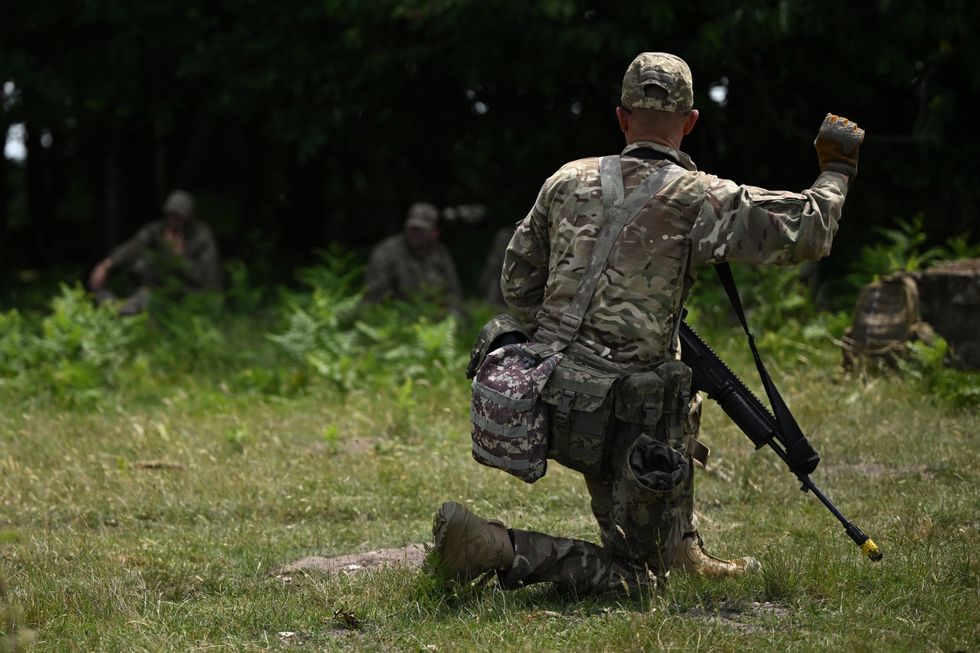
The departure of soldiers has been branded a 'threat to national security.'
|GETTY
One source with direct knowledge of the situation described morale as extremely poor, while another spoke of "considerable disquiet" pervading the regiment.
George Simm, a former regimental sergeant major of 22 SAS, told The Telegraph personnel feared they would "get a knock on the door" from lawyers and felt a profound sense of betrayal.
He argued legislation, including the European Convention on Human Rights, was now being applied to combat zones, with the right to life of "armed terrorists and murderers" taking precedence over that of special forces personnel dispatched to prevent atrocities.
"If a soldier discharges their weapon, they are almost certainly going to get a knock at their door one day," he said. "It feels like a betrayal and a break in the trust."
LATEST DEVELOPMENTS
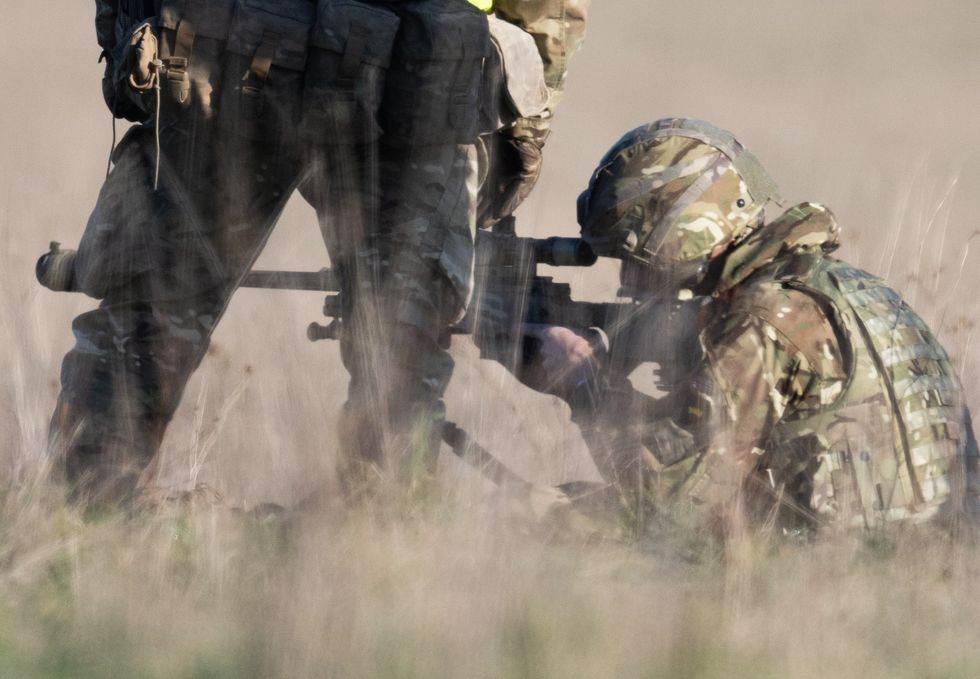
Soldiers were left in fear following government U-turns
|GETTY
Mr Simm added: "We now have to consider the lives of the terrorists because of the ECHR. These are the guys who are shooting at us. We have all killed mass murderers and these lawyers say you should have done this and should have done that. It's a joke."
Lt Col Richard Williams, a former commanding officer of 22 SAS, told The Telegraph: "The SAS, like all involved in UK defence today is being hit with the Labour Party's unique, toxic, double whammy of lawfare persecution and budget cuts."
He added it was "hardly surprising that professional and loyal soldiers, SAS or otherwise, choose to leave".
Labour's Troubles bill, which aims to strip away immunity protections established under the Conservatives' Northern Ireland Legacy Act, has sparked outrage within military circles.
Before Christmas, nine former military chiefs issued an unprecedented open letter to Sir Keir Starmer, warning soldiers' confidence in the legal system had deteriorated to such an extent that it "risks everything".
The signatories, including former chief of the general staff General Sir Patrick Sanders, cautioned: "Today every British soldier deployed must consider not only the enemy in front of them but the lawyer behind them."
They warned reopening historic cases against veterans was playing directly into the hands of Britain's adversaries.
Seven former SAS commanders, writing in December, warned Britain's elite troops risked becoming scapegoats for politicians who were "doing the enemy's work".
"Britain's special forces are small, discreet, uniquely lethal... Their humiliation rewards Moscow, Tehran and Beijing," they wrote.
The departures come against a backdrop of broader military decline.
The Army has contracted from over 100,000 personnel around 2010 to just over 70,000 fully trained soldiers today, its smallest size since before the Napoleonic Wars.
A Ministry of Defence spokesman stated the Government was "committed to ensuring that the legal framework governing our Armed Forces reflects the practical realities of military operations, and that those who served with honour are properly protected".
Our Standards: The GB News Editorial Charter