







Private schoolchildren have been banned from a prestigious conservatoire course in the institution's push to "widen participation".
London's Royal Academy of Music has drawn criticism for opening up applications for those aged between 18 and 20 for a bank-rolled foundation year for those from under-represented backgrounds.
Successful applicants receive free tuition as well as accommodation throughout their entire first year at the institution.
The institution bills the course as a one-year programme "supporting state educated musicians who've experienced financial or other barriers to opportunity".
It was established to support "talented" students who demonstrate "potential to succeed" - but who are in need of further intensive training ahead of even auditioning for the course.
Starting this July, the Academy will give a free-pass to five students who will go on to receive one-to-one tuition, ensemble training, mentoring, academic study and structured guidance.
They will also be housed in University of London halls of residence, as well as given financial support for "high-quality" instruments and £16,500 for living costs.
All of the above benefits will be handed to successful applicants before they even qualify for an undergraduate course at the prestigious school.
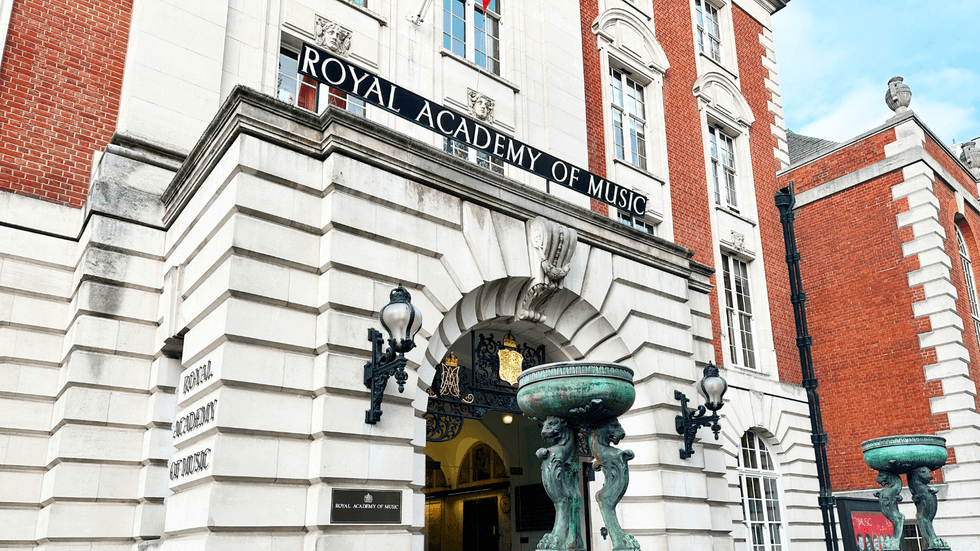
Successful applicants are handed free tuition and accommodation as well as financial support for 'high-quality instruments' - and an extra £1,600
|GETTY
"The programme aims to widen access to advanced music study by supporting musicians who may not yet have had access to specialist training or preparation for conservatoire auditions," the conservatoire added.
Current fees for a single year of undergraduate tuition at the Academy totals to £9,535 for UK residents, while the costs skyrocket to £29,050 for international students.
The fees do not include accommodation.
As a result of the discrepancy of treatment between state and privately education schools, both school staff and children's parents have slammed the exclusivity of the course.
WOKE MADNESS - READ THE LATEST:
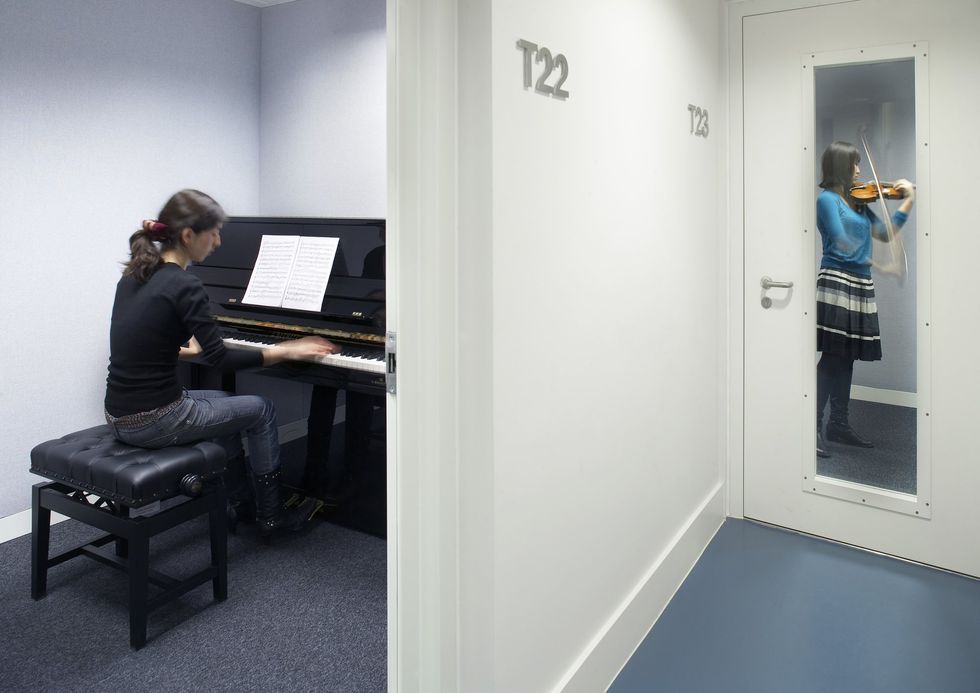
Successful applicants receive financial support for 'high-quality' instruments
|GETTY
Philip Britton, who is the Chair of the Heads’ Conference, a group of independent schools, told The Times: "There are plenty of less well-off people in independent schools and plenty of privileged people in state schools."
Mr Britton is currently the headmaster of Bolton School in Greater Manchester which hands out bursaries including the full remission of fees to parents who earn under £20,000 a year.
He further said the course was another example of people leaping on "the lazy bandwagon" of prejudice against the privately-educated.
Meanwhile, Richard Jones, who is the headteacher of Dorset's Bryanston School, said the exclusion of specific groups of children was "playing into the prejudice against private schools".
Data from from the Independent Schools Council (ISC) back in 2025 indicated that bursary funding within independent schools had reached an all-time high.
The report revealed more than a third of all pupils received some help with paying fees, with the average bursary being worth £13,852.
"The reality is each independent school will have a significant number of children on bursaries," the Dorset headmaster added.
However, the Academy's principal, Jonathan Freeman-Attwood, insisted the programme would help to "identify talented and committed young musicians for whom a shortage of access to teaching and opportunity has left them on the cusp of what is needed for pre-professional programmes".
He said that the academy had been expanding its widening participation work with "increasing energy, investment and output" over the past 10 years.
A spokesman for the Royal Academy of Music said: "Students at independent schools are more likely to have had access to music training through their school."