










The Royal Air Force is deploying a new anti-drone weapon system to keep British Typhoon fighter jets safe during Middle East operations.
British citizens and regional partners will be made safer by the cutting-edge, cost-effective new technology, the Ministry of Defence has said.
The Advanced Precision Kill Weapon System (APKWS) employs laser targeting technology to transform unguided missiles into precision munitions.
Each projectile is capable of neutralising enemy drones and other threats at a significantly lower cost than conventional missiles.
This capability addresses the growing challenge posed by drone attacks in the region, offering a more sustainable approach to countering such threats.
The 9 Squadron RAF Typhoons are now flying operational sorties equipped with the new system as part of ongoing missions to safeguard British people, interests and allies from hostile action.
The deployment was achieved through an accelerated procurement and testing programme conducted in partnership with BAE Systems and QinetiQ, which moved from trials to operational use in under 2 months.
Testing began in March with a successful strike against a ground-based target, confirming the system's precision capabilities.
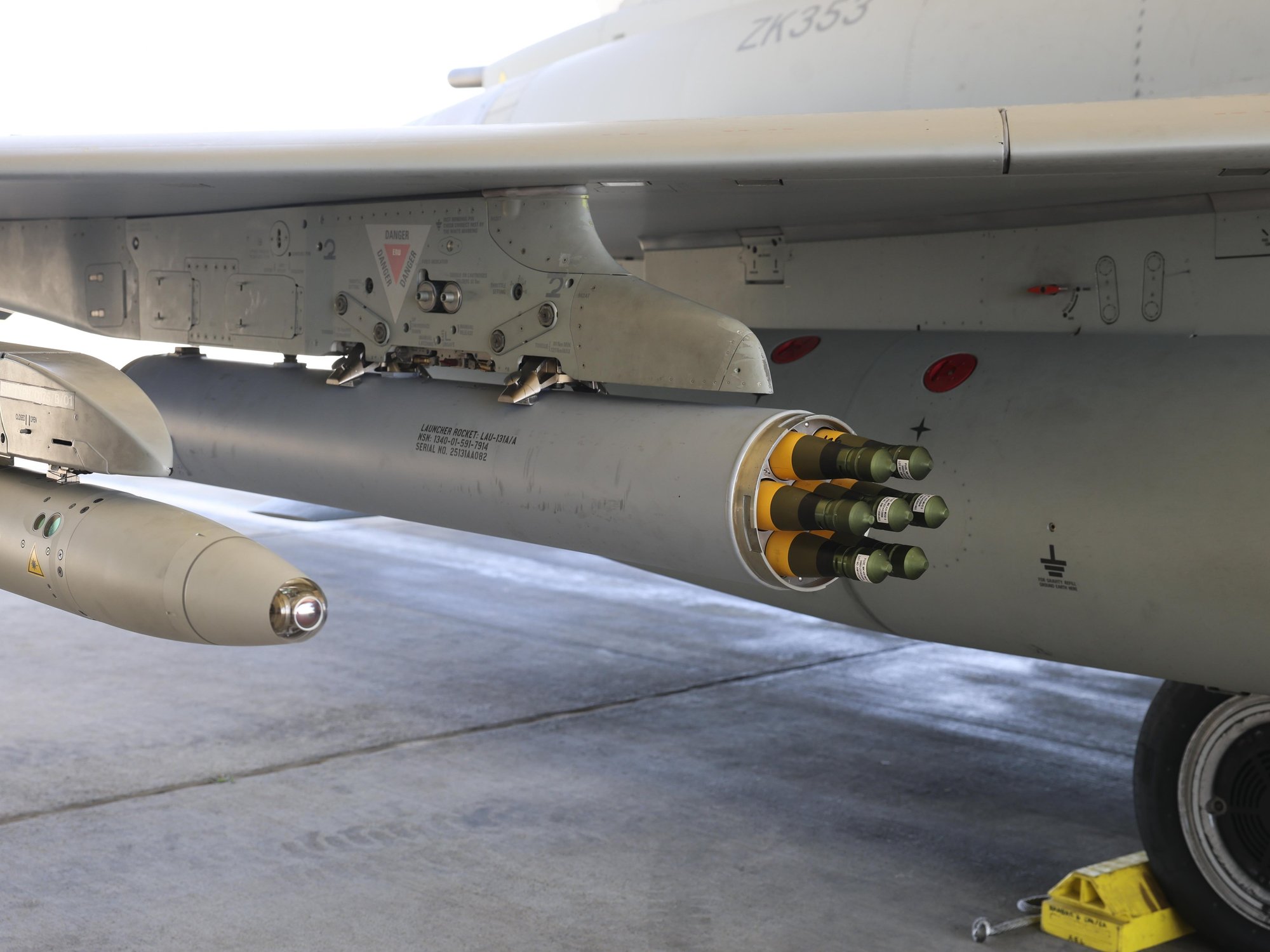
RAF Typhoons are being fitted with new anti-drone weapon system to for Middle East operations
|MINISTRY OF DEFENCE
The following month, pilots from 41 Test and Evaluation Squadron carried out air-to-air firing exercises, confirming the weapon's effectiveness against airborne drone threats.
Collaboration between defence officials and industry partners has enabled a speedy transition from concept to frontline deployment, the Ministry of Defence has said, demonstrating the Typhoon platform's flexibility to integrate new armaments.
Minister for Defence Readiness and Industry Luke Pollard MP said: "This has been a superb effort working with industry to test and deploy this system in a matter of months.
“It will help the RAF shoot down many more drones at a much lower cost.
LATEST DEFENCE NEWS
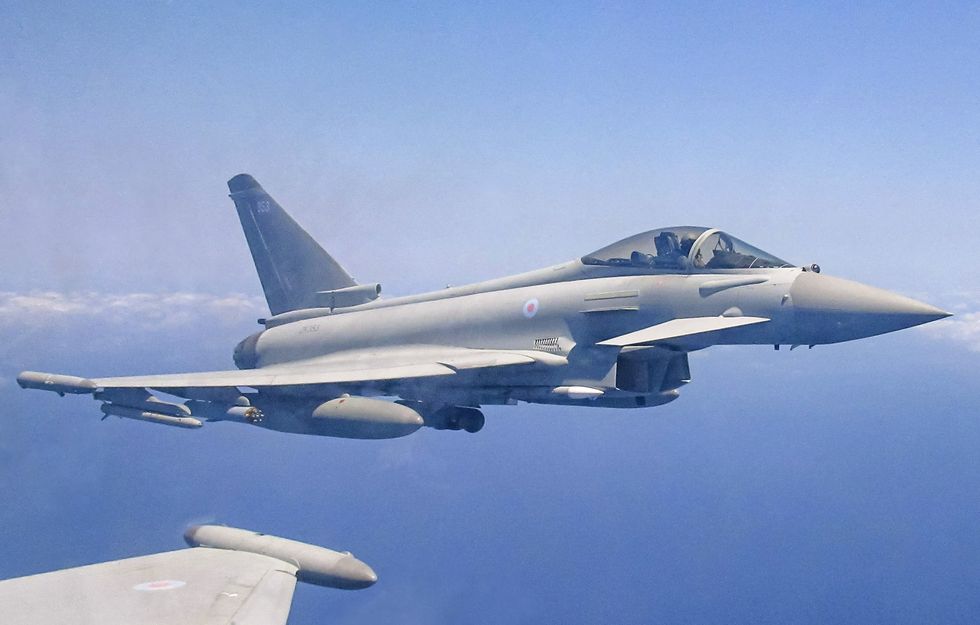
The Advanced Precision Kill Weapon System (APKWS) employs laser targeting technology to transform unguided missiles into precision munitions
|SGT TIM HAMMOND / UK MOD / CROWN COPYRIGHT 2026
"Our Typhoon fleet is the backbone of UK and Nato air defence, with the RAF protecting Europe's Eastern flank from Russian drone incursions and defending our partners across the Middle East."
Simon Barnes, Group Managing Director BAE Systems Air sector, said: "Our priority is to ensure the Royal Air Force and its allies have the advanced technologies they need today and into the future, to keep them ahead of evolving threats.
"This capability demonstrates Typhoon's exceptional versatility and underlines its continued role as the backbone of combat air across Europe and the Middle East."
Steve Wadey, Group Chief Executive Officer, QinetiQ, said: "From engineering expertise to live trials, our teams are providing the fundamental support needed by our armed forces, to deliver the urgent capabilities that ensure the UK and its allies remain safe and warfighting ready."
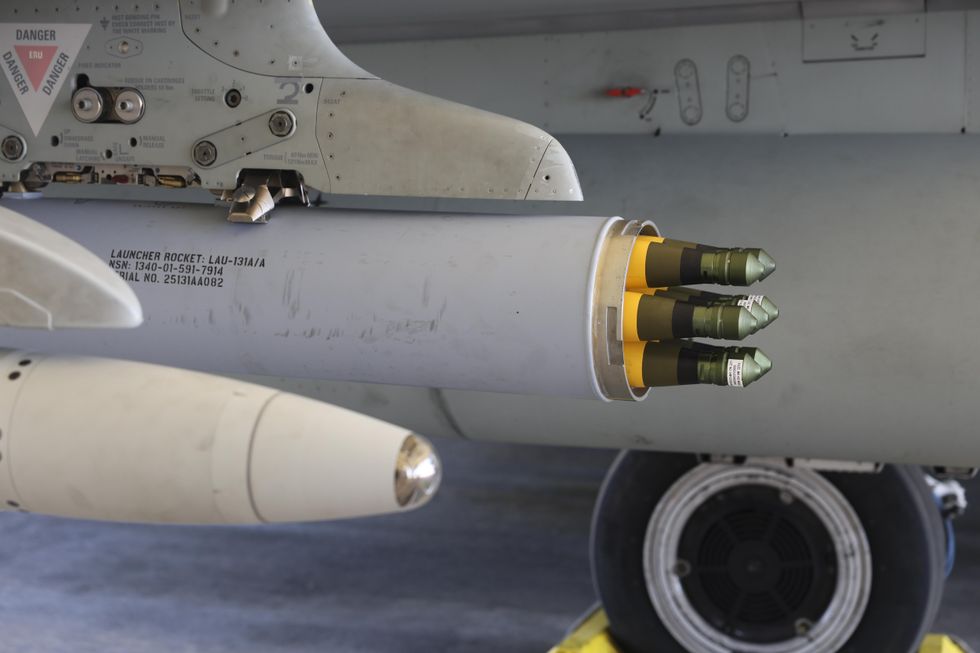
Each APKWS munition is capable of neutralising enemy drones and other threats at a significantly lower cost than conventional missiles
|SGT TIM HAMMOND / UK MOD / CROWN COPYRIGHT 2026
Air Commodore Donal McGurk, Air 11 Group Deputy Director Operations, said: "We welcome the speed of development and meticulous testing behind the deployment of these missile systems for use on our Typhoons.
“They are a valuable addition to the air defence package we are already employing with agility across the Middle East."
British aircraft have continued operations throughout the Middle East, with pilots and aircrew accumulating more than 2,500 flying hours since the Iran war commenced - equivalent to over three months of uninterrupted defensive missions.
Additional UK air defence assets remain on high alert across Gulf nations, including the Sky Sabre system stationed in Saudi Arabia, Lightweight Multirole Missiles positioned in Bahrain, and Rapid Sentry and ORCUS systems deployed in Kuwait.
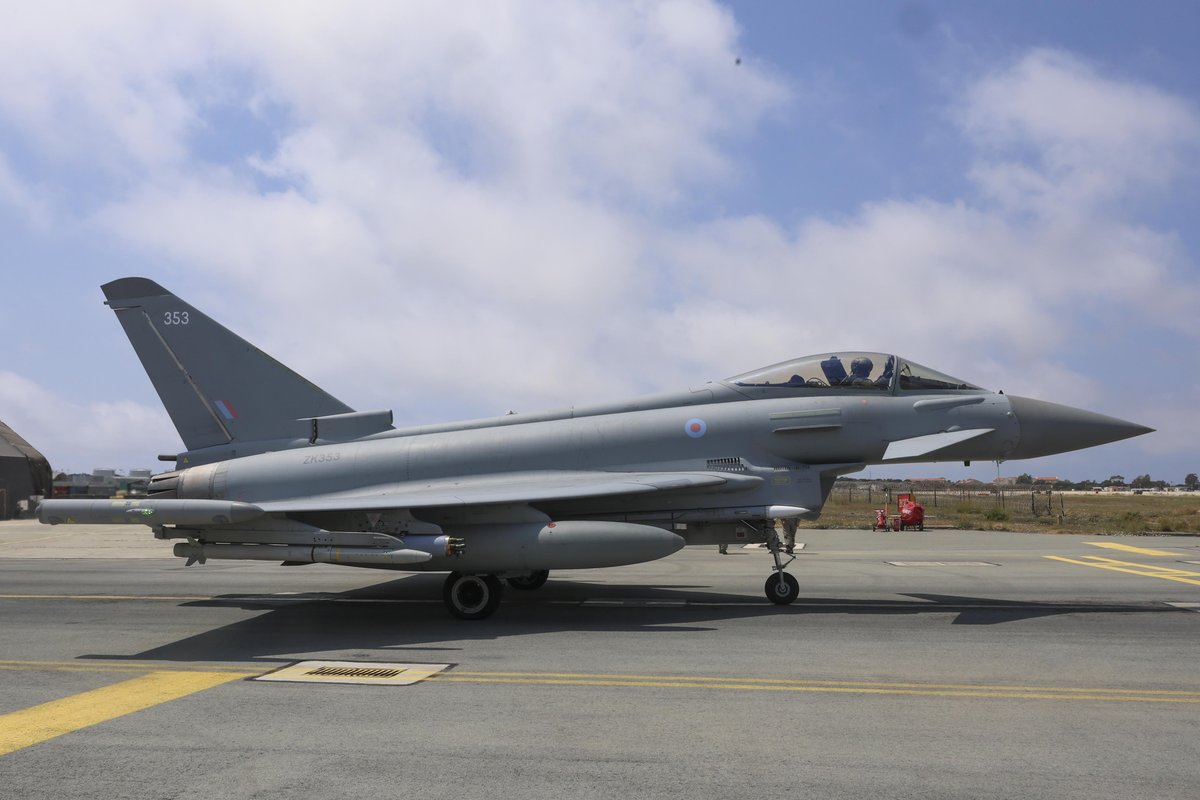
British pilots and aircrew have accumulated more than 2,500 flying hours since the start of the Iran war
|SGT TIM HAMMOND / UK MOD / CROWN COPYRIGHT 2026
The APKWS deployment follows a recent multi-million-pound Ministry of Defence contract for Skyhammer interceptor missiles designed to counter Shahed-style attack drones.
In January, the government committed over £650 million to upgrading the Typhoon fleet, securing more than 1,500 jobs nationwide.
This upgrade programme means the Typhoons will remain stalwart defenders of British airspace until at least the 2040s.