









Prison officers are avoiding placing some of Britain’s most dangerous extremist inmates in solitary confinement amid fears of legal action from human rights lawyers, according to a damning report for the Ministry of Justice.
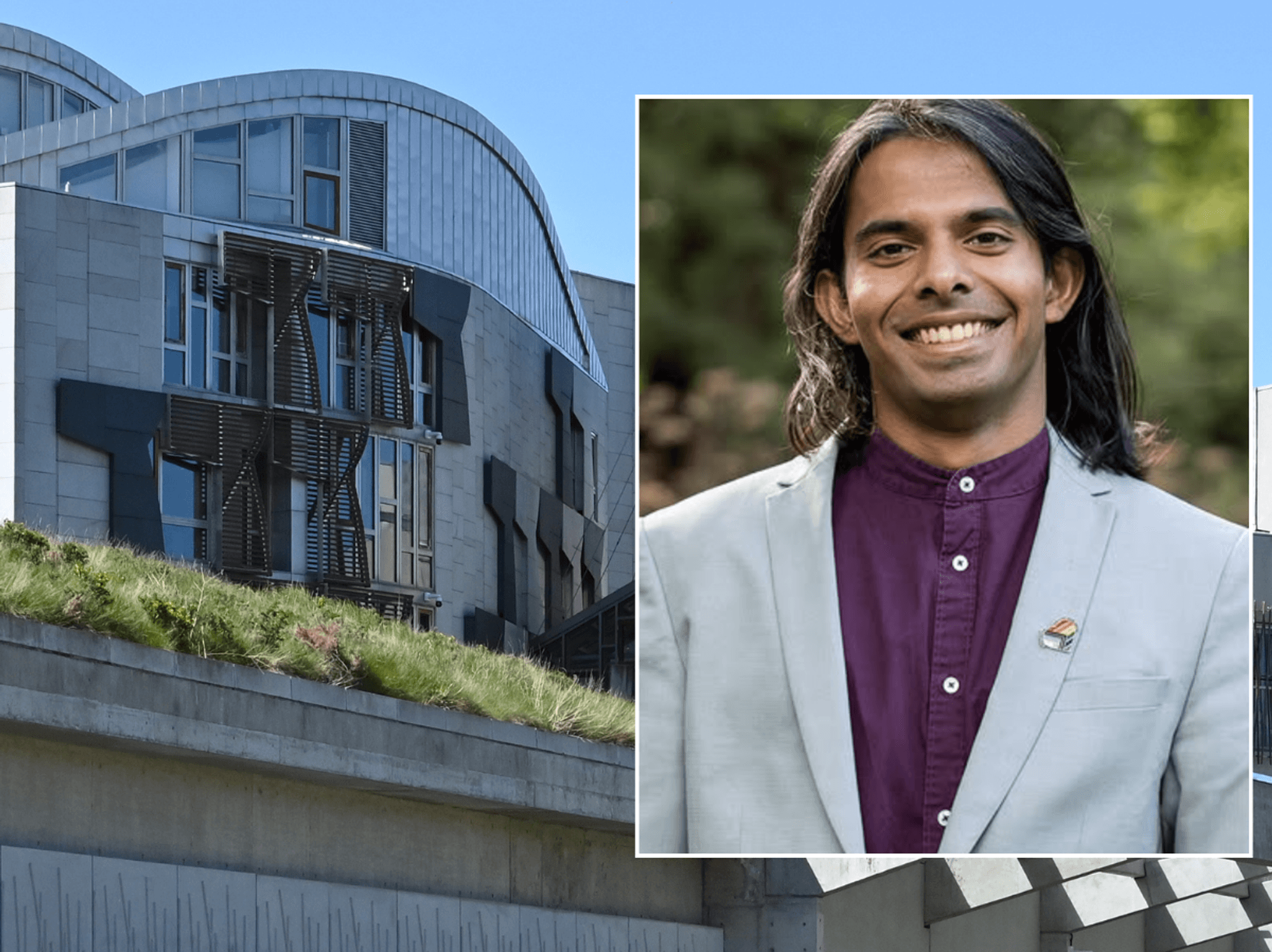
The findings come from Jonathan Hall KC, the independent reviewer of terrorism legislation, who warned that the threat of litigation has become deeply embedded in prison decision-making.
Extremist offenders are held in specialist separation centres inside high-security jails, designed to stop them radicalising other inmates and to protect prison staff.
However, Mr Hall said fear of legal challenge is paralysing frontline management.
“I cannot overstate the extent to which fear of legal challenge appears to affect decisions on day-to-day management,” he said.
The review found inmates have learned to exploit rules requiring separation centre prisoners to receive “equivalent” treatment to those in mainstream prison wings, particularly over association time and exercise.
As a result, officers are reluctant to impose solitary confinement even when inmates threaten violence, fearing they could be accused of breaching equivalence rules.
Since the centres opened in 2017, lawyers acting for extremist prisoners have sent more than 540 legal letters to prison authorities.
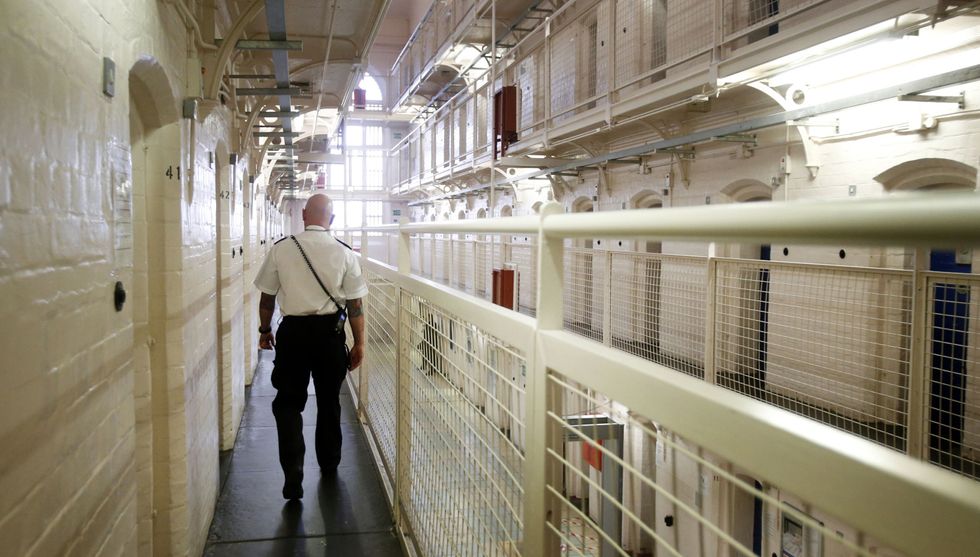
Prison officers are avoiding placing some of Britain’s most dangerous extremist inmates in solitary confinement
| PAAcross England’s three separation centres, inmates have launched legal challenges at a rate of more than one per week, mostly arguing their conditions do not match those of ordinary prisoners.
Inmates also enjoy extensive access to lawyers via in-cell telephones, with entitlement to call up to 15 legal numbers -rising to 30 if they are actively litigating.
Mr Hall said the volume of legal threats was “illustrative of long-term entrenched hostility to their separation”.
In one striking case, a convicted double murderer who had previously taken a prison officer hostage won a High Court challenge, claiming his Article 8 right to a private life under the European Convention on Human Rights had been breached after he was denied association with another terrorist inmate.
BRITAIN'S PRISONS IN CRISIS - READ MORE:
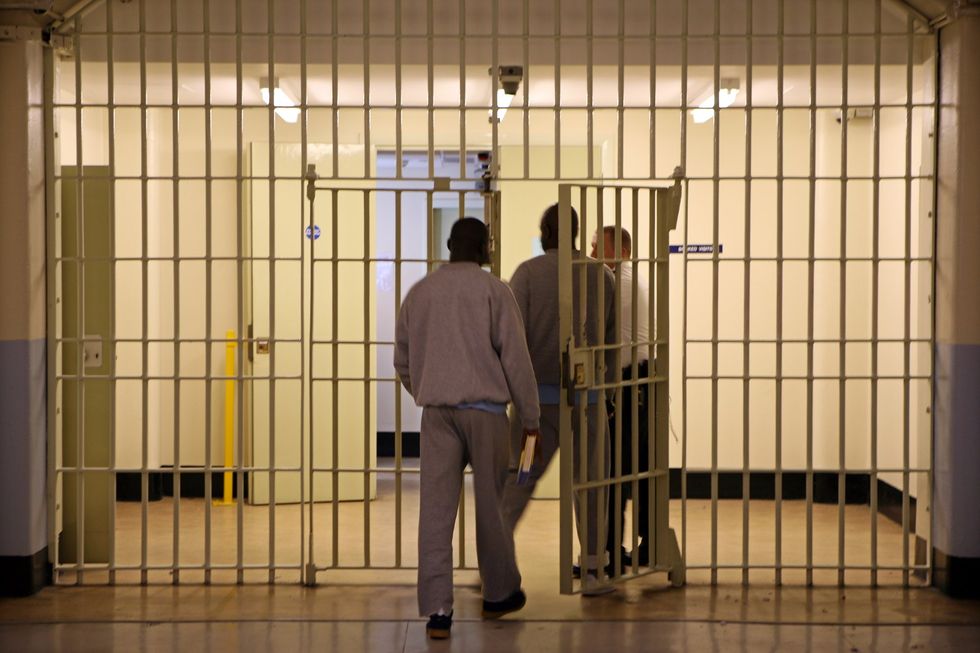
Lawyers acting for extremist prisoners have sent more than 540 legal letters to prison authorities since 2017
|GETTY
Staff fears have even extended to basic security measures, with officers believing aluminium ring pulls from drinks cans could be weaponised but felt managers would block any ban due to litigation risks.
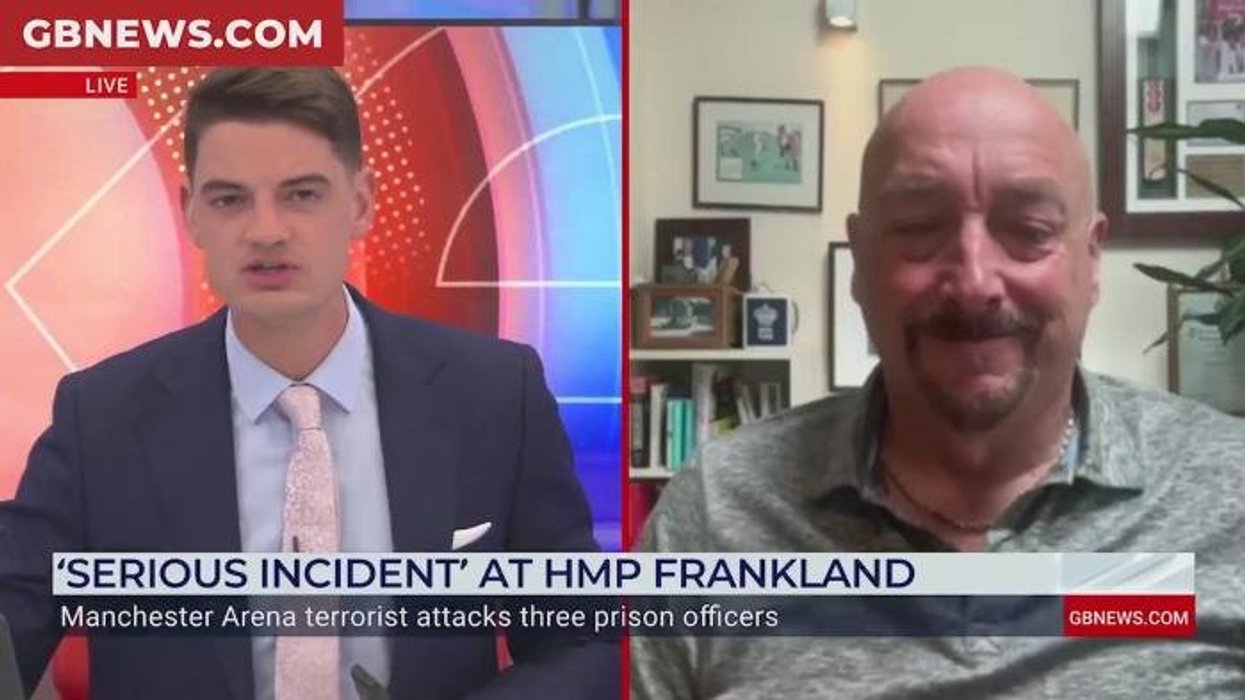
The review was commissioned following an alleged attack at HMP Frankland, where Manchester Arena bomb plotter Hashem Abedi is accused of stabbing three officers with improvised blades and throwing hot cooking oil over them.
Mr Hall has recommended rewriting separation centre rules to remove the requirement for extremists to receive equivalent treatment to mainstream prisoners.
He also proposed that Article 8 of the ECHR should not apply to decisions on separation centre placement or risk management within the units.
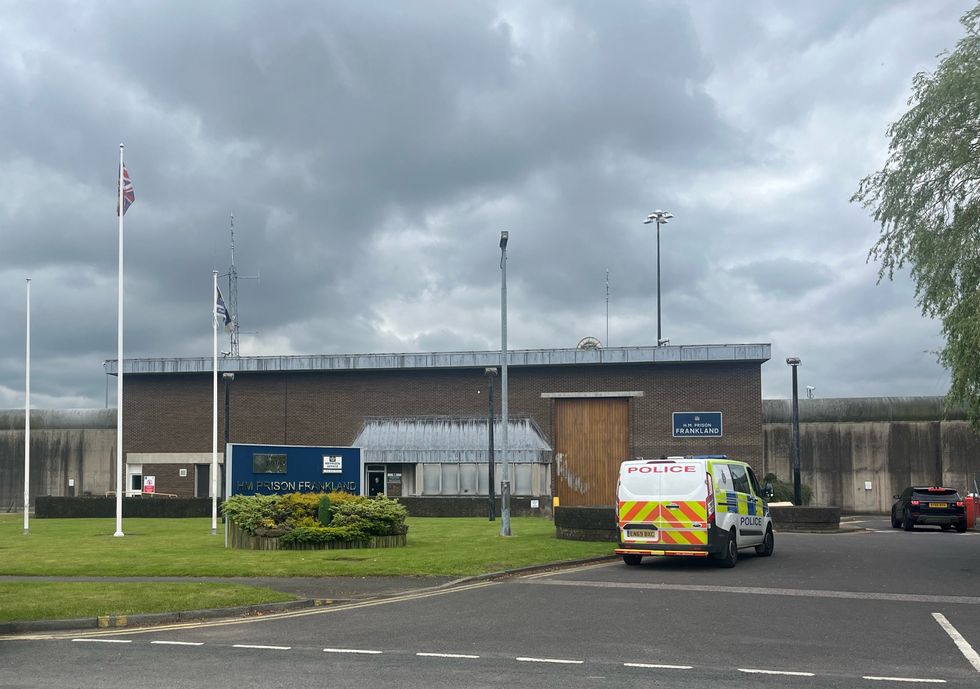
The review was commissioned following an alleged attack at HMP Frankland by Manchester Arena bomb plotter Hashem Abedi
| PAJustice Secretary David Lammy has accepted all of the recommendations and said he would consider changes to how ECHR rules are applied.
Mr Lammy has also backed proposals for US-style “super-max” prisons for extremist offenders, allowing prolonged isolation with fewer legal obstacles.
The Justice Secretary has claimed the changes would give prison authorities greater control over the country’s most dangerous inmates without constant interference from human rights litigation.
Speaking in the House of Commons earlier this week, he said: "This Government will always stand behind those who stand between the public and danger. We will not shy away from reform and we will never lose sight of our first duty: to keep the British public safe."
Our Standards: The GB News Editorial Charter
More From GB News