







Ditching non-crime hate incidents (NCHIs) has already saved Metropolitan Police officers thousands of hours, Britain's most senior police chief has said.
Met Commissioner Sir Mark Rowley said the force had doubled the number of real hate crimes solved since it stopped investigating NCHIs last October.
He said the change had freed up officers to focus on "preventing and solving crime, protecting vulnerable people and responding to real risks of harm".
The comments came days after Home Secretary Shabana Mahmood announced the national abolition of NCHIs.
She said forces would no longer record or investigate incidents in a way that threatened lawful free speech or diverted them from tackling genuine crime.
Sir Mark, writing in the Telegraph, said vague guidance from policing bodies and the Government had "eroded" public trust.
Officers had been turning up at people's homes to deal with internet disputes and personal rows that fell well short of any criminal threshold.
The figures back him up - between October 2025 and February 2026, the Met solved 1,525 hate crimes - double the 764 solved in the same period the year before.
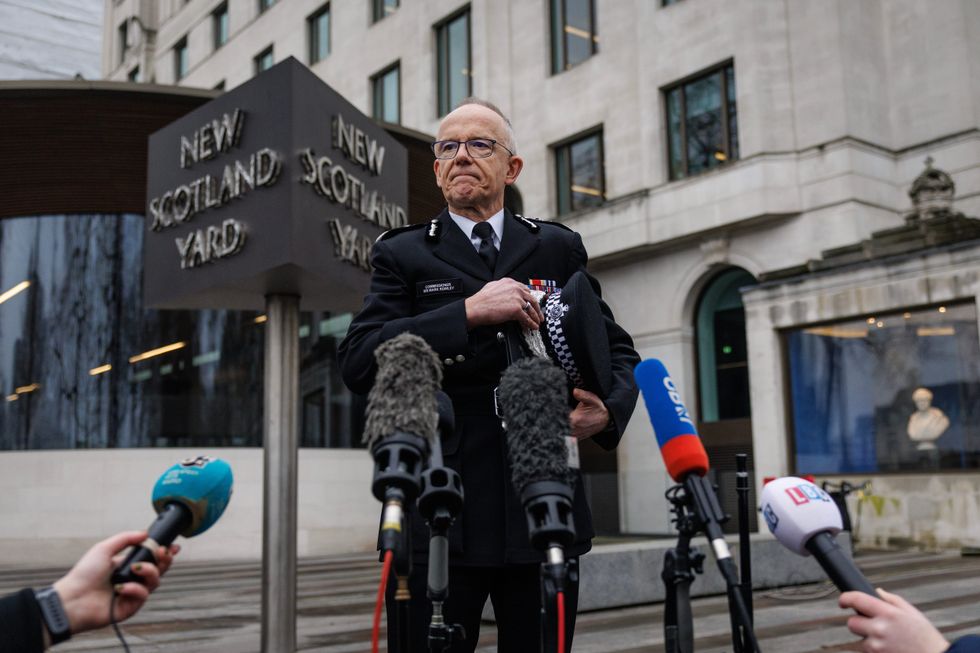
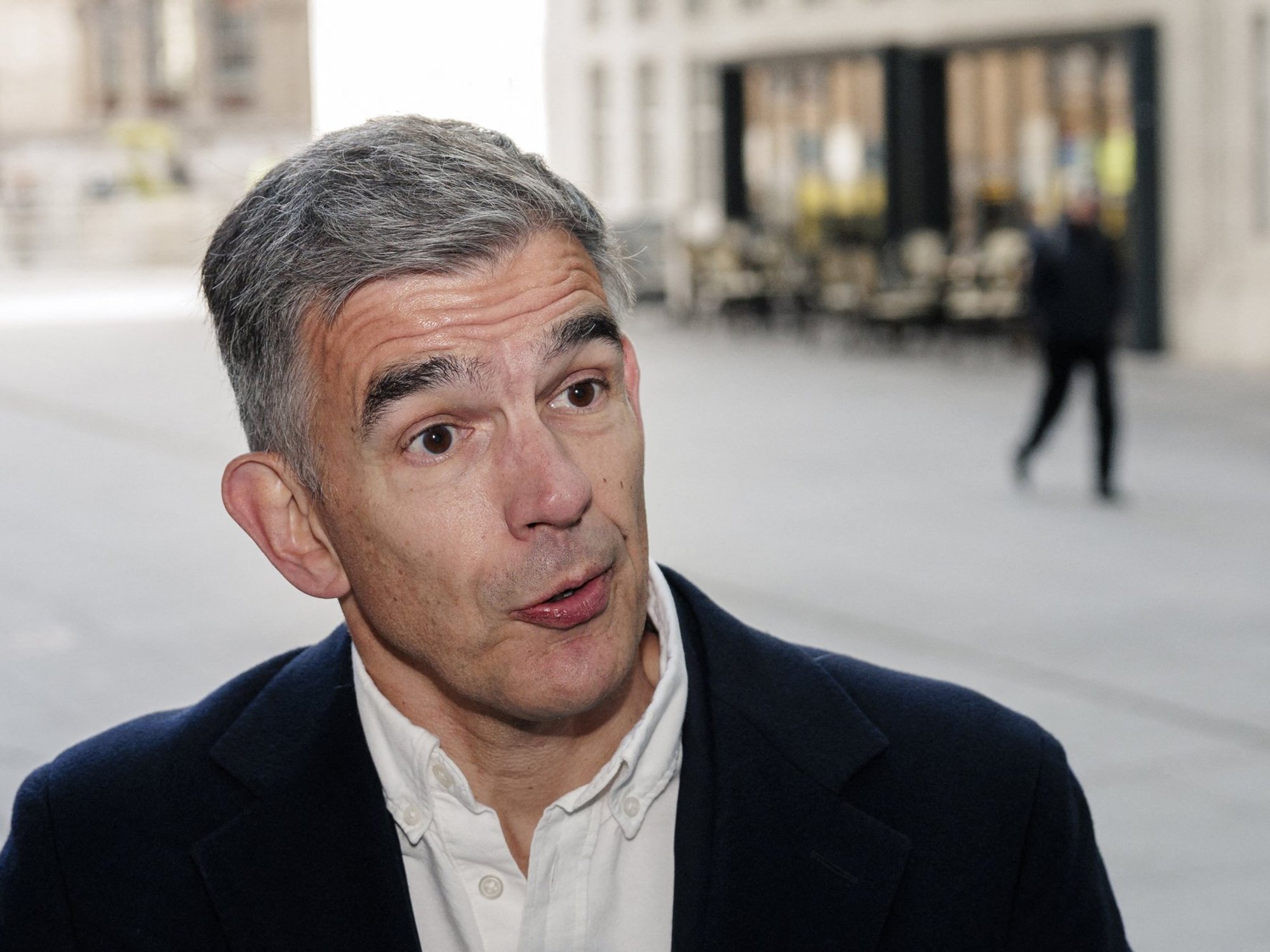
Met Commissioner Sir Mark Rowley says scrapping NCHI investigations has doubled the number of real hate crimes solved
|GETTY
Sir Mark said the improvement reflected the "clarity and capacity" unlocked by officers no longer being pulled away from real police work.
Under the new national framework, police will only log incidents where there is a clear risk of harm relevant to their core duties - there will be no automatic removal of existing records, however.
Shadow Home Secretary Chris Philp dismissed the reforms as a rebranding exercise.
He argued that reports would still be logged, personal data still recorded, and officers still tied up with incidents that do not meet the criminal threshold.
LATEST DEVELOPMENTS
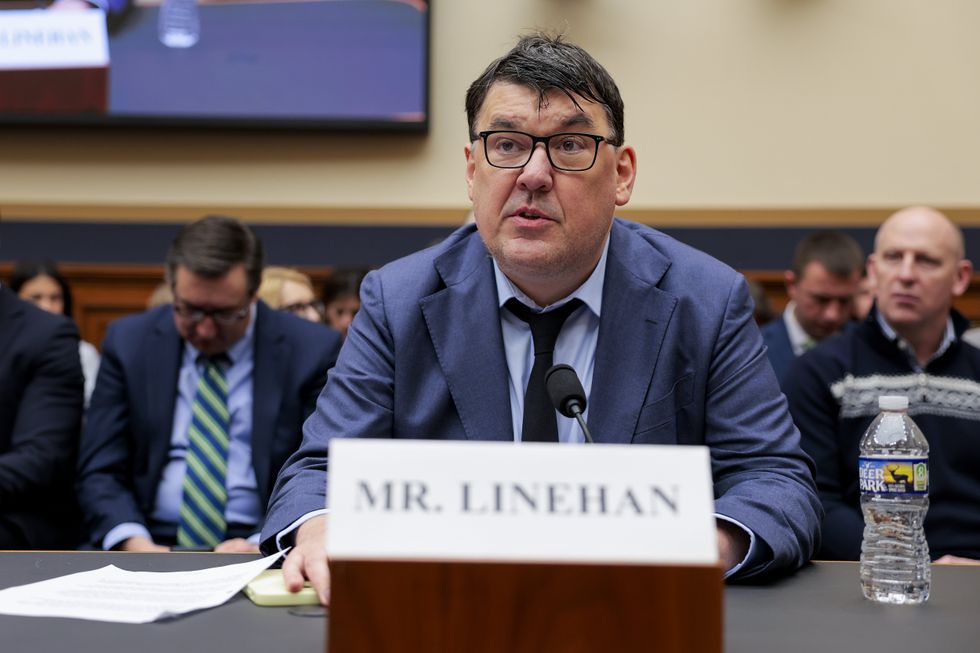
Graham Linehan was arrested at Heathrow Airport last September, on suspicion of inciting violence over posts about transgender issues on X
|GETTY
He said: "Conservatives have been consistently clear that the police should get back to basics.”
The College of Policing and National Police Chiefs' Council had previously concluded the NCHI system was "not fit for purpose," finding it had diverted resources from genuine harm and lacked consistency across forces.
NCHIs were introduced following the murder of Stephen Lawrence in 1993.
The subsequent public inquiry established a framework for recording racist incidents as a way of monitoring and anticipating community tensions.
During a Lords debate earlier this month, Baroness Doreen Lawrence, Stephen's mother, urged caution.
She warned that verbal abuse can escalate into physical violence, and questioned how authorities would track that escalation without a recording system.
Concern over the policing of free speech had been building for some time.
It intensified after the arrest of Father Ted writer Graham Linehan at Heathrow Airport last September, on suspicion of inciting violence over posts about transgender issues on X.
The Met later dropped the investigation, with Sir Mark acknowleding officers had been placed in "an impossible position."
The arrest drew widespread criticism from politicians and public figures, with Donald Trump's administration describing it as a "departure from democracy."
Sir Mark said the era of officers being sent to adjudicate culture war disputes online was now over.
He invoked Sir Robert Peel's founding principle that police must demonstrate "absolutely impartial service to law" - something he said sat uneasily with knocking on doors over lawful speech.
He wrote: "That era must end.
"And now it will."