






The National Trust's push towards net-zero carbon emissions faces fresh scrutiny following a significant slump in earnings from its green energy operations.
Profits generated by National Trust Renewable Energy plummeted by more than 40 per cent over the past year, dropping from £4.6m in 2024 to just £2.7m, according to The Times.
This represents the charity's weakest contribution from its renewables division in half a decade.
The heritage organisation has installed solar panels at visitor centres and biomass heating systems at numerous properties across its estate of 500 historic houses and 25,000 hectares of land.
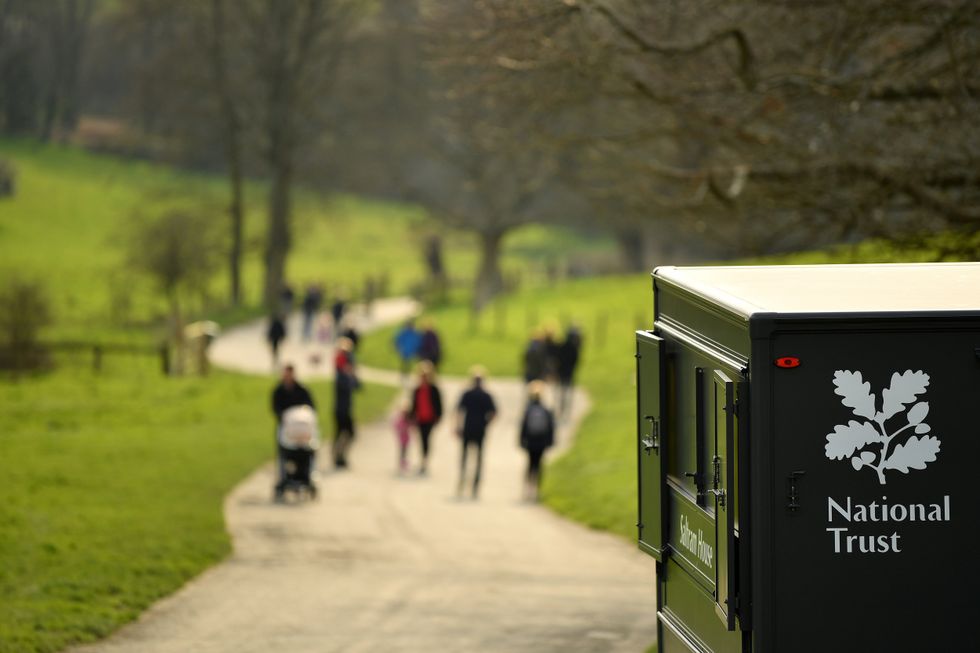
The charity has been urged to dampen its net zero push
|GETTY
These investments were intended both to shrink the Trust's environmental footprint and provide a steady revenue stream, but the latest figures have prompted criticism from concerned members.
Restore Trust, a forum representing discontented members, has accused the charity of abandoning its founding purpose in favour of environmental activism.
Cornelia van der Poll, speaking for the group, said: "In recent years, the Trust has been reinventing itself as a nature and even climate charity. Our worry is that it's neglecting pressing concerns of a more immediate kind. When you go around properties, you see a lot of damage and you see things that are not being fixed."
She added: "As a charity, it's the National Trust's duty to look after its charitable funds and not to take unnecessary risks."
LATEST DEVELOPMENTS
Fellow critic Neil Record told The Telegraph: "The National Trust's remit is to preserve for the nation, and allow access to, the treasure trove of land and historic buildings given to it by generations of former owners."
He argued the organisation's foray into power generation strays far beyond its expertise and exposes it to volatile financial risks that neither founders nor donors would have sanctioned.
The National Trust has dismissed suggestions that its green strategy is faltering, attributing the revenue decline to market conditions rather than poor performance.
A spokesman said: "Our renewable energy projects continue to perform in line with – or ahead of – expectations. Last year's change in income simply reflects the return of energy prices to normal levels after the exceptional Ukraine-related spike."

Restore Trust has criticised the charity
| PAThe charity maintains that elevated oil, coal and gas prices during the conflict following Russia's invasion of Ukraine had temporarily inflated returns from its renewable operations.
The Trust emphasised its measured approach to green energy, stating it backs schemes that complement historic and natural settings while opposing developments that threaten established protections for landscapes, heritage sites or wildlife.
The charity's direction continues to provoke fierce debate among members and observers, with some arguing its embrace of environmental campaigning diverges from its traditional role of preserving historic places.
Membership figures reveal growing discontent, with 30,000 people declining to renew in 2024-25 and 89,000 departing the previous year.
Annual subscriptions have risen sharply, now standing at £100.80 compared with £63 a decade ago.
Despite these pressures, the Trust insists it remains financially robust, citing stronger member retention than comparable organisations and record-breaking donations.
In January, philanthropist Humphrey Battcock gave £10m towards the charity's environmental objectives, marking the largest single gift in its 131-year history.
The organisation has committed to achieving net-zero emissions by 2030 and divesting entirely from fossil fuels.
More From GB News