









A National Portrait Gallery display has claimed Winston Churchill deliberately starved Indians to death.
A video display by Turner Prize-winner Helen Cammock has come under fire after it criticised a number of national figures, including Churchill.
The claim, raised in the 40-minute film, relates to the Bengal famine of 1943, a lethal food shortage caused by natural disasters which was exacerbated by wartime supply problems.
Some academics have blamed Churchill, Prime Minister at the time, for making the famine worse.
In reality, the war hero Prime Minister he took actions to alleviate the famine. His Cabinet sent supplies to India after he declared "something must be done".
The installation suggests the British icon used starvation as a weapon of war, despite how India was fighting the Japanese Empire for Burma at the time.
The film, titled Persistence, first discusses Oliver Cromwell and "his campaigns in Ireland".
Narrated by Ms Cammock, it continued: "He starved people, en masse, a little like the wilful starvation of the Indian population by Winston Churchill."
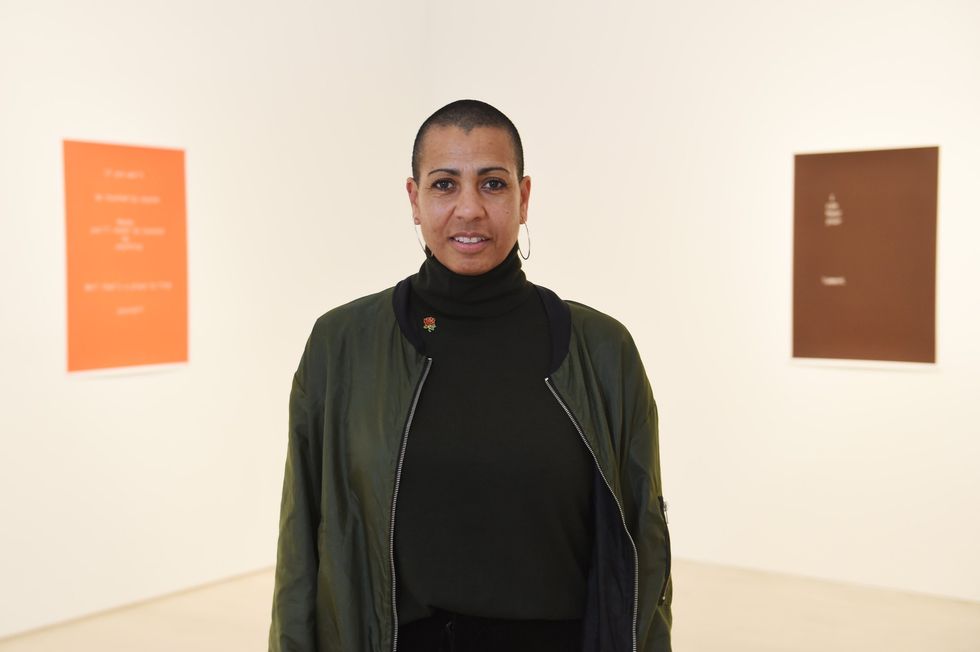
Helen Cammock has said Winston Churchill starved people during the 1943 Bengal famine
|GETTY
The film then turns towards Cecil Rhodes and former Prime Minister Benjamin Disraeli, naming them as historical "purveyors of violence".
It also lists cultural figures who help us "how we understand Britishness", including landscaoe John Constable and pre-Raphaelite artist Dante Gabriel Rossetti, both of whom are labelled as "privileged".
The film is one of eight works from contemporary artists commissioned by the National Portrait Gallery to "create work in dialogue with the Gallery's permanent Collection".
She describes the work as a film which "challenges" an arts institution, questioning "our understanding of 'who has value and who has worth?'."
BRITAIN'S CULTURAL INSTITUTIONS - READ MORE:
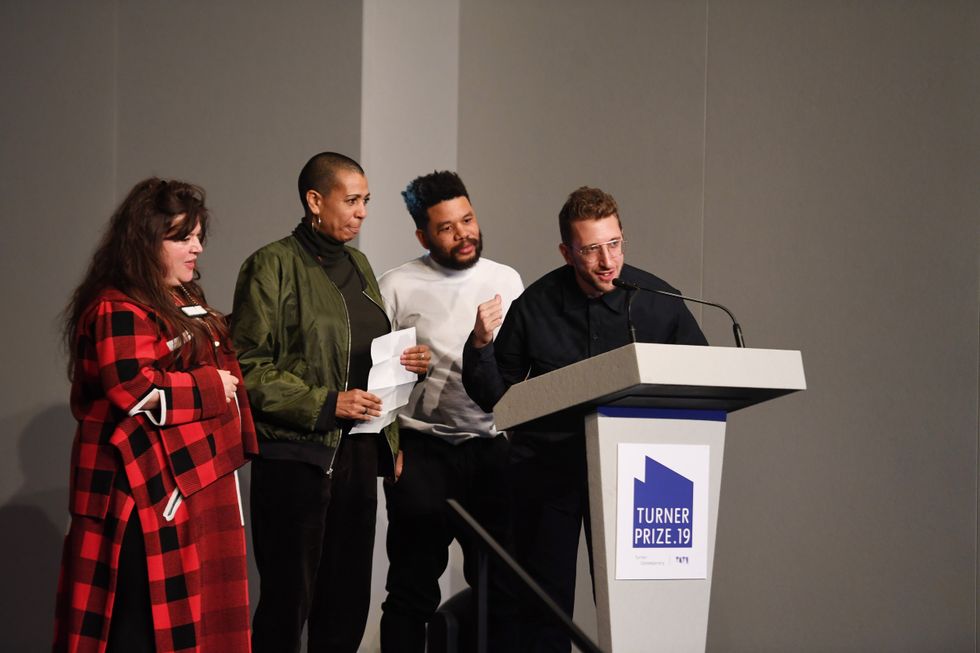
In 2019, the four nominees of the Turner Prize chose to split the award, claiming it was 'problematic' to be pitted against each other
|GETTY
The Turner Prize-winner told the gallery: "I wanted to have a conversation about who gets to be seen, who gets to do the making, whether there's a correlation as well between who makes and who sits.
"So, for me, that was then a conversation around power and the structures of power in which the portrait sits and has been used historically and, potentially, is still used to this day."
Her piece is located near portraits of William Shakespeare and Elizabeth I and also hits out at Benjamin Netanyahu, claiming the Israeli Prime Minister is also committing mass starvation.
The work uses a combination of the gallery's stills and footage of Malcolm X speeches, Pride marches and pro-Palestine demonstrations.
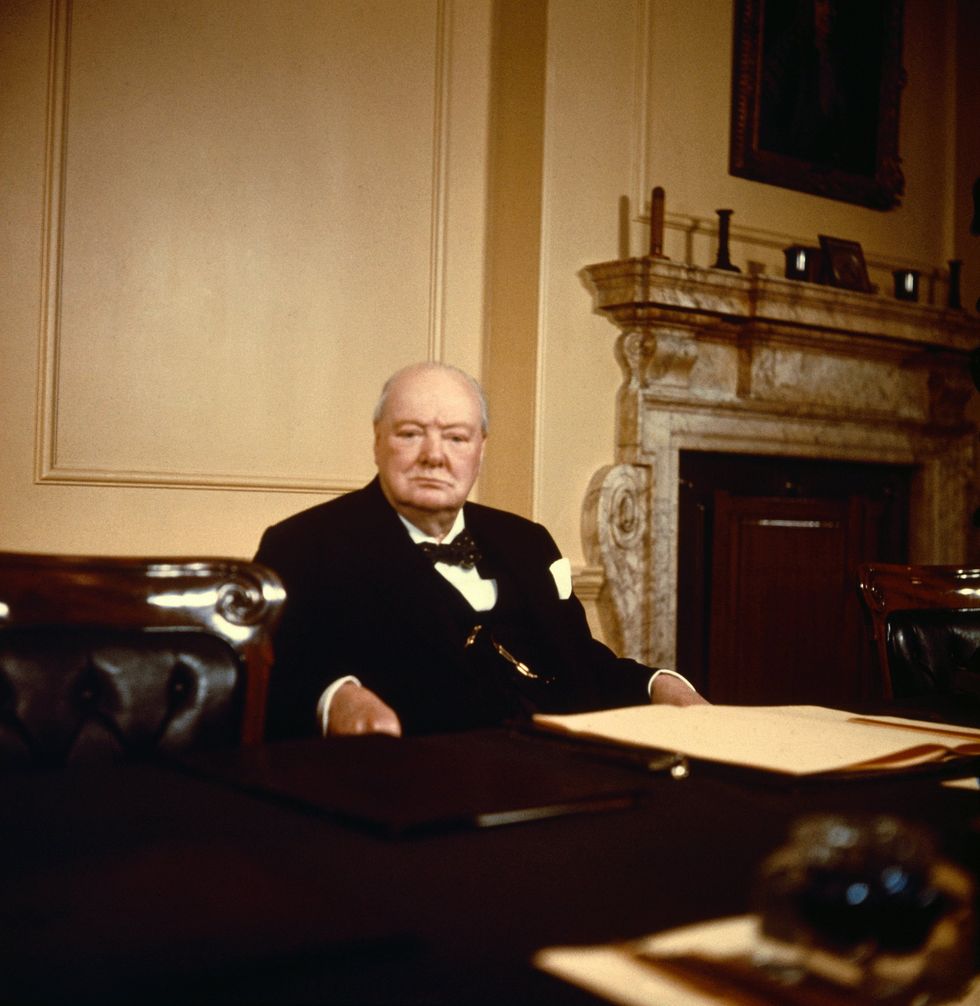
Winston Churchill is one of many cultural figures in the work which examines 'who gets to be seen'
|GETTY
In 2019, Ms Cammock chose to split the Turner Prize with her three nominees "in the name of commonality, multiplicity and solidarity", with the artists claiming it would be "problematic" to be pitted against each other.
Some formal complaints have been lodged over the content of the installation, according to The Telegraph.
The work, part of the larger "Artists First: Contemporary Perspectives on Portraiture" project, was supported by the Chanel Culture fund and will be open until August 2 this year.
Earlier this year, the gallery put a trigger warning near a portrait of Lawrence of Arabia over his wearing of Arab clothing.
Warnings were also placed by a portrait of Lord Byron in Albanian national garb.