









Approximately only one out of every 90 migrants has been returned under a deal with France.
The deportation agreement with France has resulted in just 153 migrants being returned across the Channel since the treaty came into force on August 6, whilst 13,856 people have reached Britain via small boats during the same period.
The bilateral treaty was established in early August, creating proposals for transfers between Britain and France.
The most recent transfer saw seven individuals arrive in the UK on a Friday flight, adding to the modest total exchanged under the programme.
TRENDING
Stories
Videos
Your Say
The programme aims to provide a legitimate pathway for asylum seekers to reach Britain whilst discouraging dangerous Channel crossings.
However, the figures suggest the scheme has struggled to achieve meaningful numbers in its first months of operation.
Stringent eligibility requirements have emerged as the primary obstacle preventing most asylum seekers from qualifying for the scheme.
Applicants must possess valid passports or national identity documents and attend appointments at visa application centres in Paris.
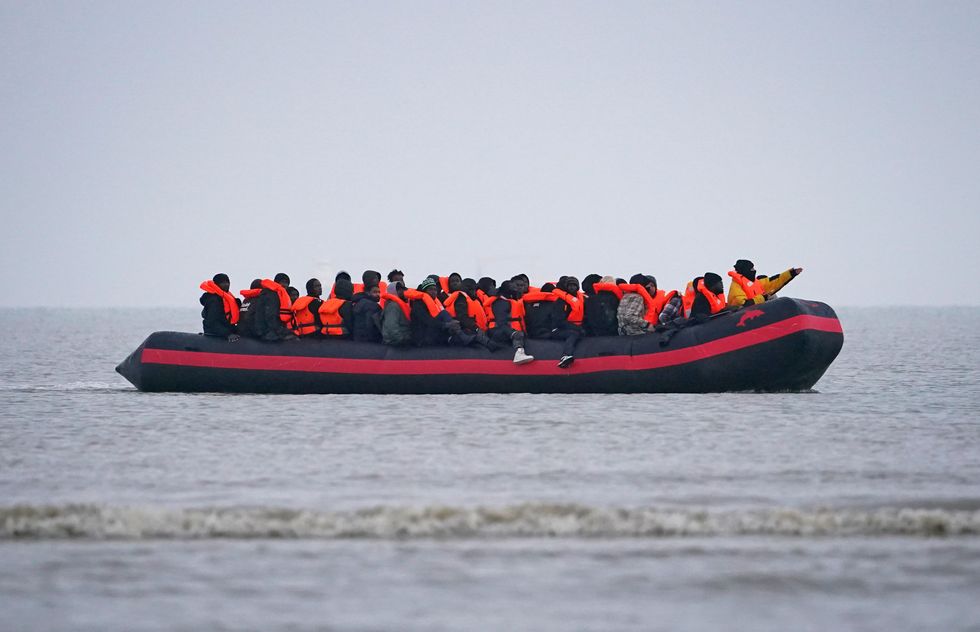
The deal has come under scrutiny as refugee charities have criticised the move
|PA
The programme gives priority to nationals from Eritrea, Afghanistan and Sudan, followed by those from countries with UK asylum grant rates exceeding 80 per cent.
Applicants with previous UK connections through residence or visits within five years also receive preferential treatment. However, documentation requirements prove insurmountable for many.
Approximately 98 per cent of Eritrean men lack passports, as these are only issued after completing mandatory military service, the very requirement driving many to flee.
Obtaining documents would necessitate contact with embassies of governments from which they claim persecution, potentially undermining their asylum claims.
LATEST DEVELOPMENTS
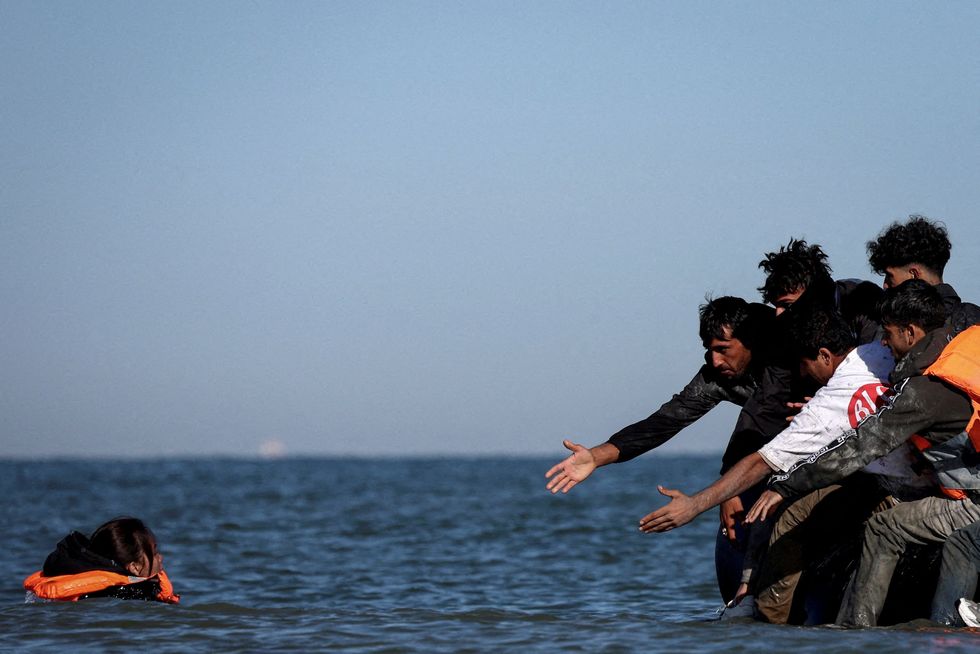
The scheme is aiming to deter dangerous boat crossings
|REUTERS
Technical difficulties with the scheme's geo-location verification system have created additional barriers.
Applicants must confirm their presence in France within 24 hours of applying, but multiple cases have emerged where confirmation emails were followed by rejection notices claiming location had not been verified.
Processing delays compound these challenges, with an average two-month wait between application submission and biometric appointments.
This uncertainty deters applicants, particularly during harsh winter conditions in northern French camps.
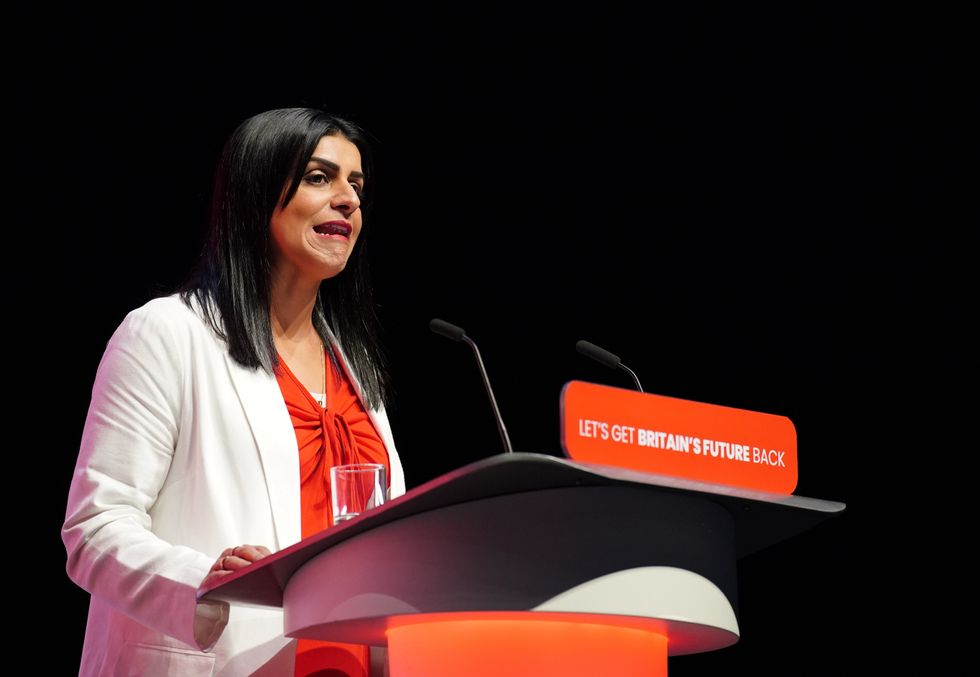
Home Secretary Shabana Mahmood said net migration has fallen by more than two-thirds
| PAA source with involvement in the scheme told The Times: "On a delivery level it’s a complete shambles. The numbers just aren’t there, the scheme’s struggling to get people on the French side.
"There’s not proper advice and implementation in France. There’s a way of making it work, but at the moment it’s not being operationalised properly."
Support charity Refugee Legal Support reported that whilst their teams had discussed the scheme with over 1,500 individuals, merely 10 per cent had submitted applications due to eligibility restrictions.
Executive director of the charity Olivia Clark pointed out that all successful applicants must undergo intensive checks confirming their identity before arriving in the UK so possessing an identity document was unnecessary.
A Home Office spokesman told The Times: "We continue to receive and accept more applicants, with stringent security and eligibility checks to ensure the integrity of this new safe and legal route.
"We are scaling up the pilot scheme and returns of those with no right to be here as part of our landmark agreement with France.
"More than 150 small boat migrants have already been removed, with further flights scheduled in the coming weeks. In return, we have taken 141 migrants."
The spokesman said the Home Office was receiving a sufficient number of applications and said the scheme was still going through its pilot stage.
More From GB News