








London Zoo is set to display public post mortems of deceased dolphins as part of its 200-year anniversary celebrations, reflecting the site's history of "understanding and discovery".
The Zoological Society of London will construct the £20million wildlife health centre at its Regent's Park site, set to feature the country's first veterinary hospital viewing gallery.
The ambitious project is the result of the largest single donation in the charity's two-century history.
Once completed, the facility will serve multiple purposes - providing medical care for animals housed at the zoo, tracking emerging diseases affecting wildlife populations globally, and supporting broader conservation efforts.
TRENDING
Stories
Videos
Your Say
Dr Amanda Guthrie, ZSL's head of wildlife health services, described the planned centre as a "state-of-the-art facility" that will include advanced equipment, such as a CT scanner capable of producing far more detailed images than traditional X-rays.
She said: "This facility will allow us to do more teaching and research and collaboration, and provide even better care for the animals.
"But for us, most importantly, we want visitors to get to see the work we do. We want to be transparent."
She added that the organisation hopes visitors will "understand how important wildlife health is in the conservation space" and feel "inspired to consider careers in wildlife health and conservation".
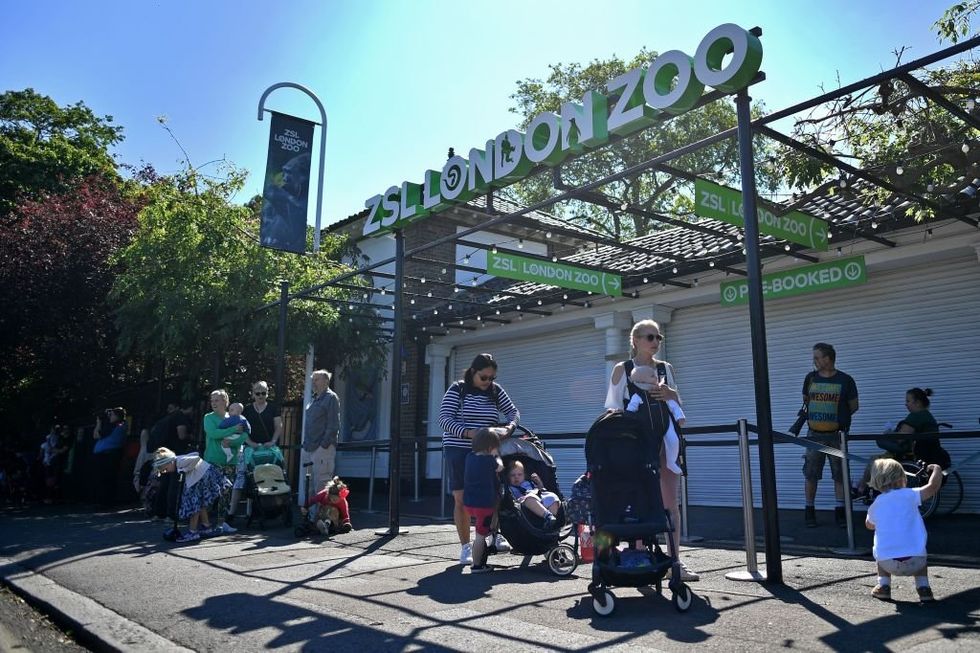
The Zoological Society of London will construct the £20 million wildlife health centre at its Regent's Park site
|GETTY
Visitors will gain unprecedented access to observe veterinary procedures as they happen, bringing the science of animal medicine directly to the public.
Among the procedures on display will be post-mortem examinations of dolphins and porpoises, washed ashore around Britain's coastline.
The gallery will also allow the public to witness X-ray imaging performed on endangered frog species, and disease monitoring work carried out on hazel dormice.
Routine penguin health assessments will also form part of the observable activities at the new centre.
LATEST DEVELOPMENTS:
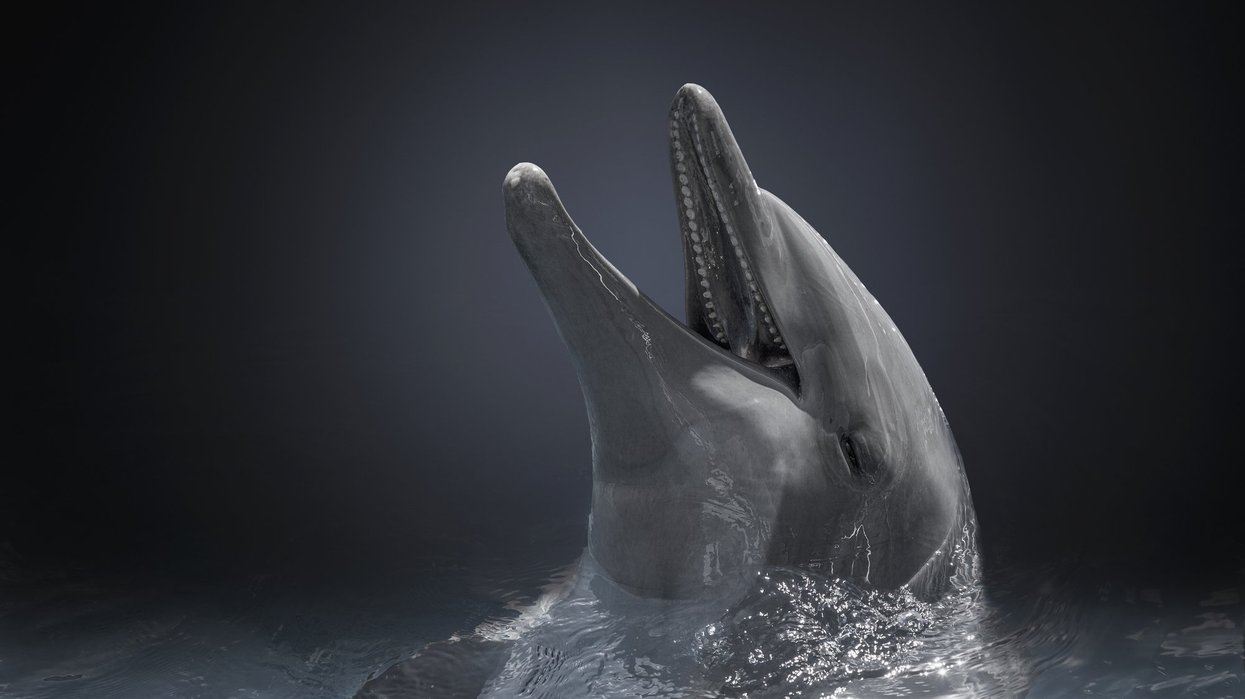
The number of dolphins, whales and porpoises found stranded on British beaches has risen sharply
|GETTY
The science-driven conservation charity previously offered a glimpse of such work in 2018, broadcasting a live dolphin post-mortem online as part of its cetacean strandings investigation programme.
The new permanent facility will make what were once behind-the-scenes operations a regular feature for zoo visitors, hoping to educate the public on species that make up the cetacean family of water-based mammals.
The spotlight is crucial, given how the number of dolphins, whales and porpoises found stranded on British beaches has risen sharply over recent decades.
Scottish shores now see approximately 300 aquatic mammals wash up annually - roughly triple the figure recorded during the 1990s.
Elsewhere, Cornwall has experienced an average exceeding 200 dolphin strandings per year since 2015, with experts attributing this partly to dolphins migrating northward into UK waters.
Commercial fishing remains the primary suspected cause of cetacean deaths, though the shifting climate patterns and altered animal behaviour are also considered contributing factors.
Grey seals operating in waters between Wales and England's south-west coast have also been linked to a recent series of dolphin killings, with the first Welsh case discovered at Newgale beach in Pembrokeshire some weeks ago.