








London's Tube strikes this week have been revealed to be the union's weakest industrial action in recent memory, with official figures showing normal service continued on more than half of scheduled trains.
Approximately 60 per cent of London Underground train drivers chose to report for work despite the RMT walkout.
Last year's September strike action saw every single line across the network suspended.
Sources within the transport authority said they struggled to recall any previous RMT strike where over half of the planned services continued operating.
TRENDING
Stories
Videos
Your Say
Thomas Turrell, the Conservative transport spokesman at City Hall, described the outcome as a "bitter disappointment to the union barons who sought to paralyse London".
However, he cautioned against complacency, warning: "Whilst it is a relief that the full damage of this strike did not come to pass, we must not ignore the fact that these strikes come only because the unions think that our weak Labour Mayor will capitulate to them."
The failure of the walkout to bring the capital to a standstill suggests the union may have lost its stranglehold over the network for the first time in years.
Performance varied across individual lines, with the Bakerloo, Victoria and Northern lines maintaining roughly two-thirds of their usual timetables throughout Tuesday.
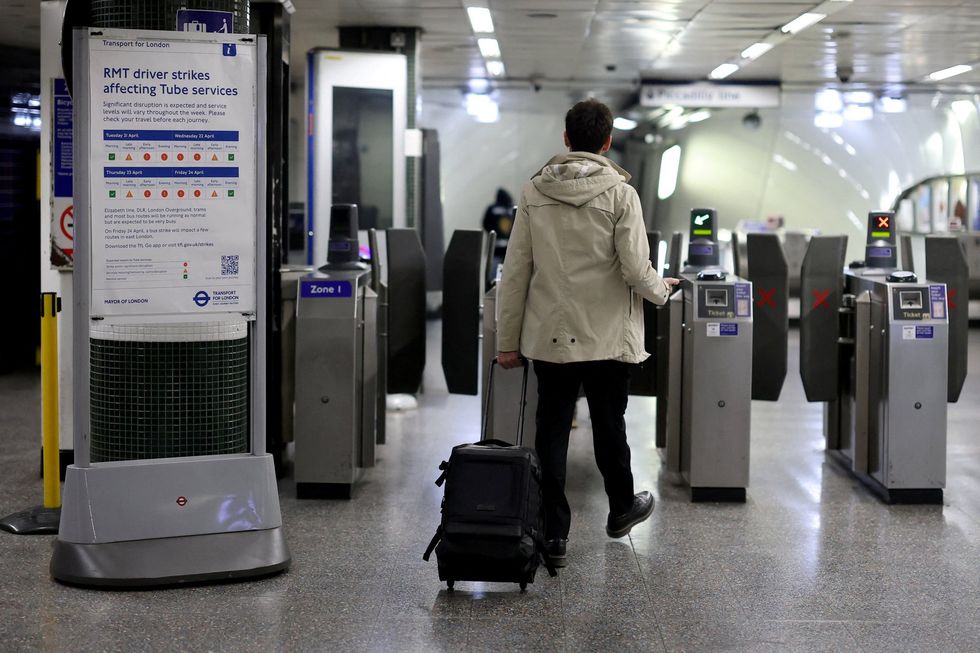
London's Underground strike proved to be the union's weakest industrial action in recent memory
|REUTERS
The Jubilee and Metropolitan lines managed to keep more than half their services running, though the latter operated a part-suspension between Baker Street and Aldgate.
Londoners largely heeded TfL's warnings of significant disruption, with contactless tap-ins falling 13 per cent compared to the equivalent day last year, representing approximately half a million fewer journeys.
The Elizabeth Line bucked the trend, recording a four per cent increase in passengers as commuters sought alternatives to the part-suspended Central Line between White City and Liverpool Street.
The RMT's grip on the Tube workforce has weakened considerably, with only around half of London's 3,300 drivers now belonging to the union, a figure that has declined as members have either left or switched to rival union Aslef.
LATEST DEVELOPMENTS:
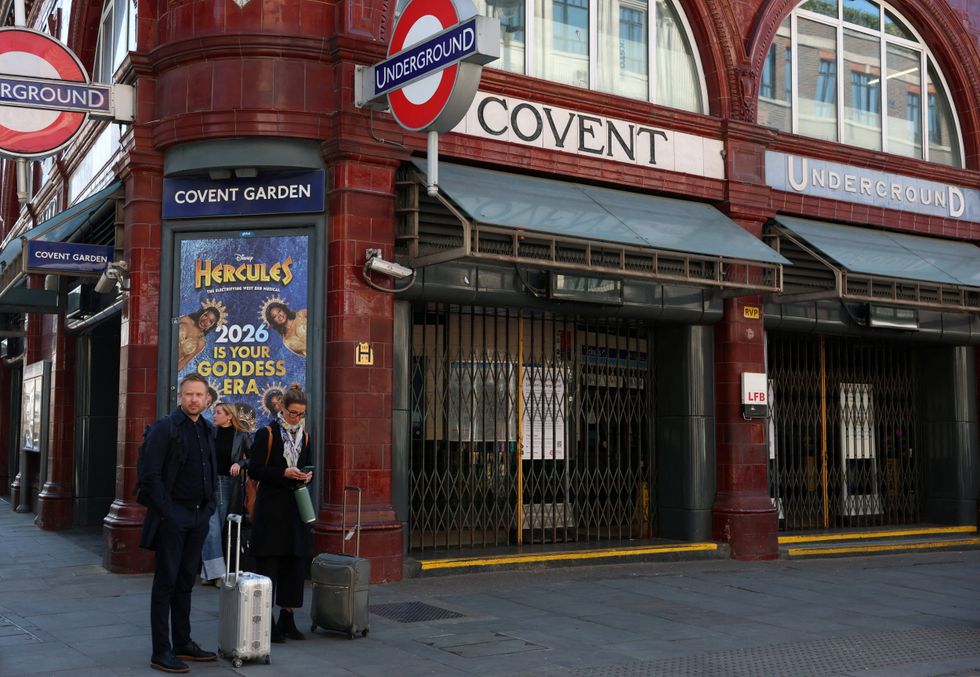
The failure of the walkout to bring the capital to a standstill suggests the militant union may have lost its traditional stranglehold over the network for the first time in years
|REUTERS
This week's dispute centres on what the RMT calls the "imposing" of a four-day week, which would extend shifts to eight hours and 45 minutes.
While Aslef has agreed to a voluntary 35-hour week, the RMT is demanding a 32-hour week with no pay reduction.
The second 24-hour walkout concludes at midday today.
Transport bosses warn services will not resume instantly.
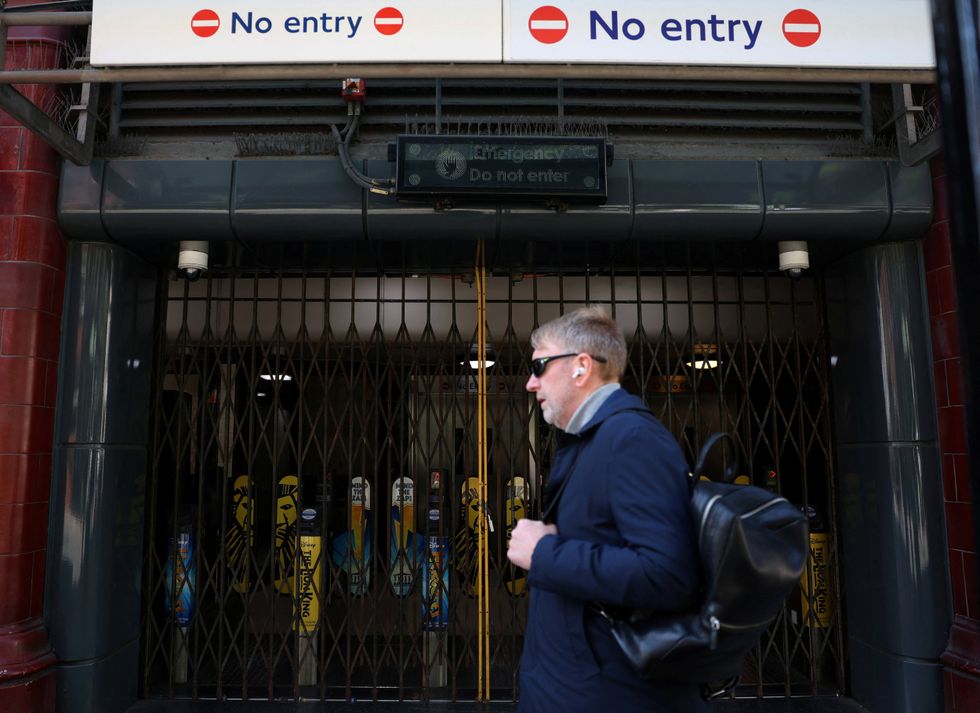
Performance varied across individual lines, with the Bakerloo, Victoria and Northern lines maintaining roughly two-thirds of their usual timetables throughout Tuesday
|REUTERS
Mr Turrell told the Telegraph: "It will be a disappointment to the union barons who sought to paralyse London that their own shortcomings have prevented them bringing the city to a standstill.
"The Conservatives created legislation to ensure this level of service as a legal minimum during strikes, which Labour promptly dropped - and as such, any strike which is more damaging to London than the one we have seen this week will be a blatant political choice by authorities."
An RMT spokesman said: "Our strike is solid and reflects our growing presence in the driver grade in London Underground.
"TfL need to focus on revising the offer our members have overwhelmingly rejected to avert further disruption in the coming months."