





King Charles marked his official birthday with the traditional Trooping the Colour ceremony, a spectacular showcase of British military precision and pageantry in the capital.
Thousands of spectators gathered to witness the occasion, which featured some of Britain's most distinguished regiments.
This year's parade represents the fourth time the monarch has presided over the celebration since taking the throne.
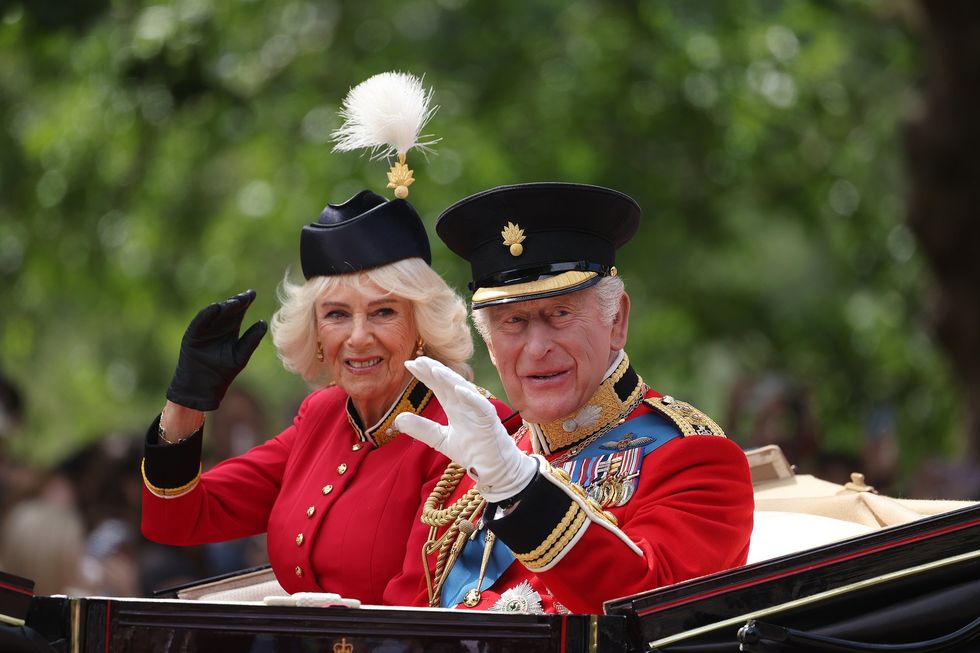
The royal procession travelled from Buckingham Palace along The Mall, with Charles and Queen Camilla at its centre, surrounded by a Sovereign's Escort from the Household Cavalry Mounted Regiment.
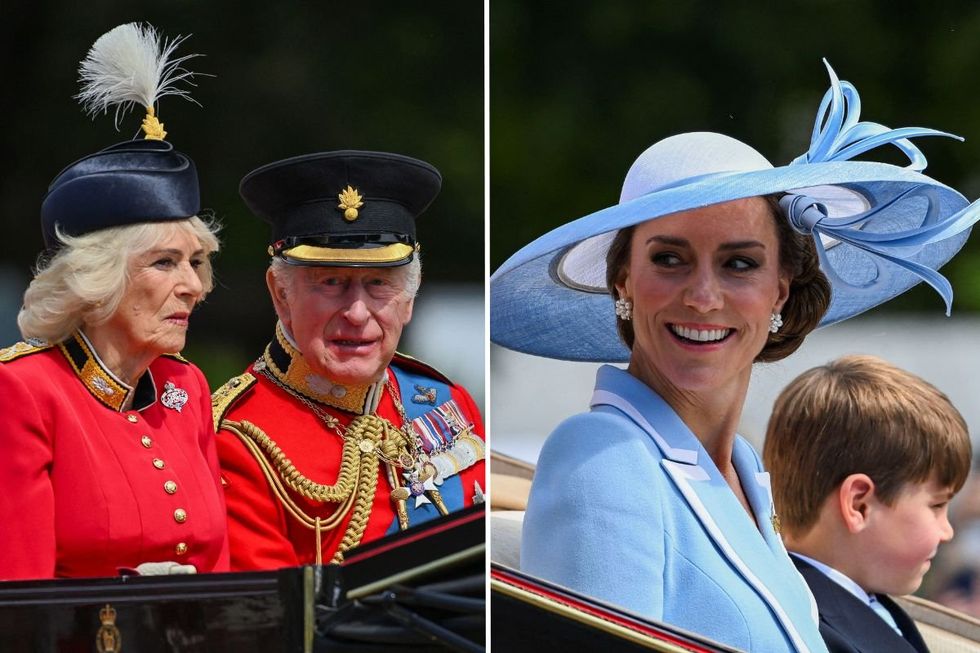
Members of the Royal Family gathered alongside crowds to witness the display, which unites all three branches of the armed forces in honour of the King's anniversary.
|GETTY
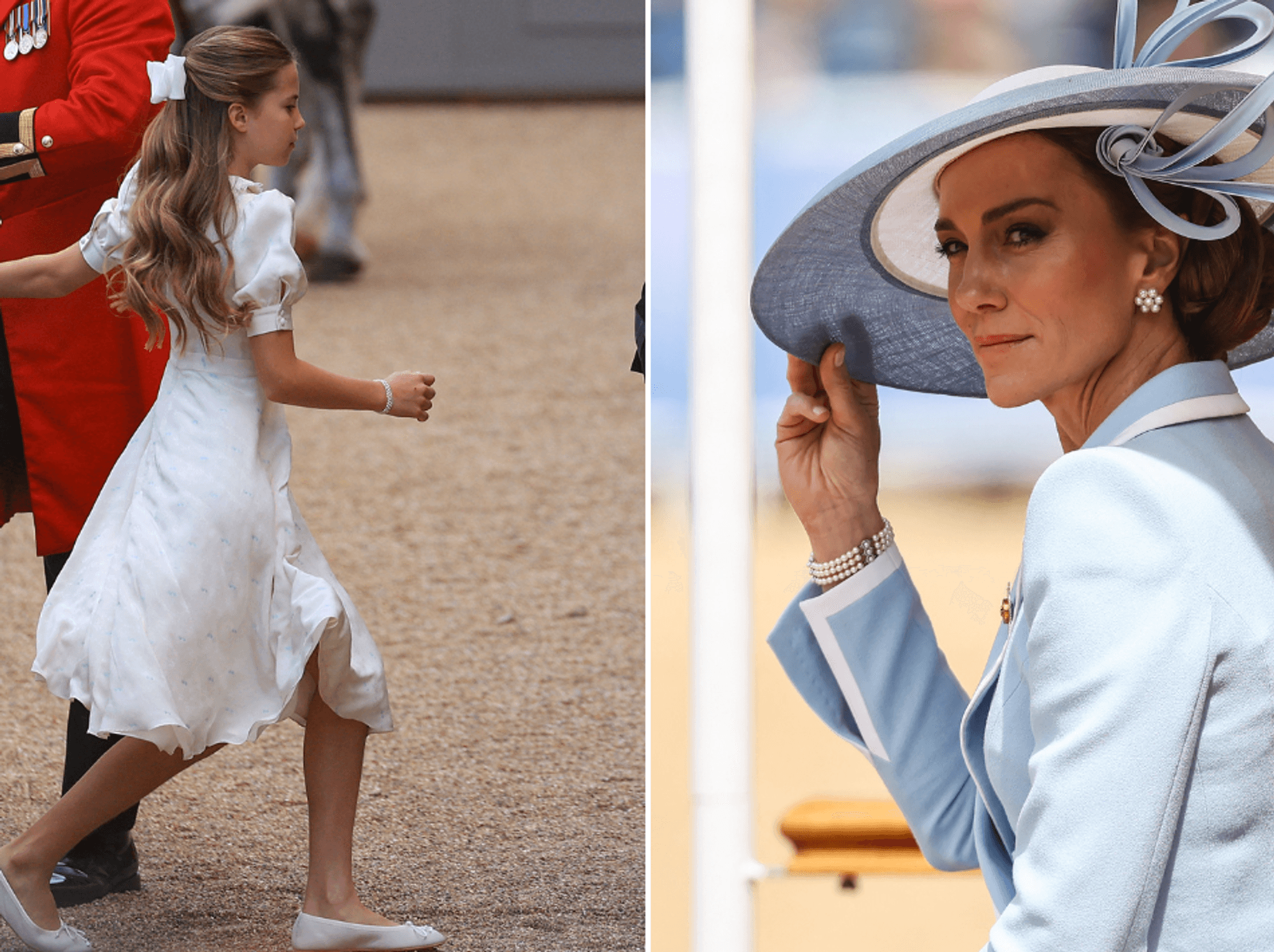
The Princess of Wales attended alongside her three children, who observed the proceedings from a historic vantage point above the parade ground.
Prince George, aged 12 and heir to the throne after his father, watched with Princess Charlotte, 11, and eight-year-old Prince Louis from the first-floor window of what was once the Duke of Wellington's office.
The room overlooks Horse Guards Parade, offering the young royals a prime view of their grandfather's celebration.
Catherine joined Queen Camilla and the King on the dais in her capacity as Colonel of the Irish Guards, while approximately 8,000 family members of participating guards and officers filled the surrounding stands.
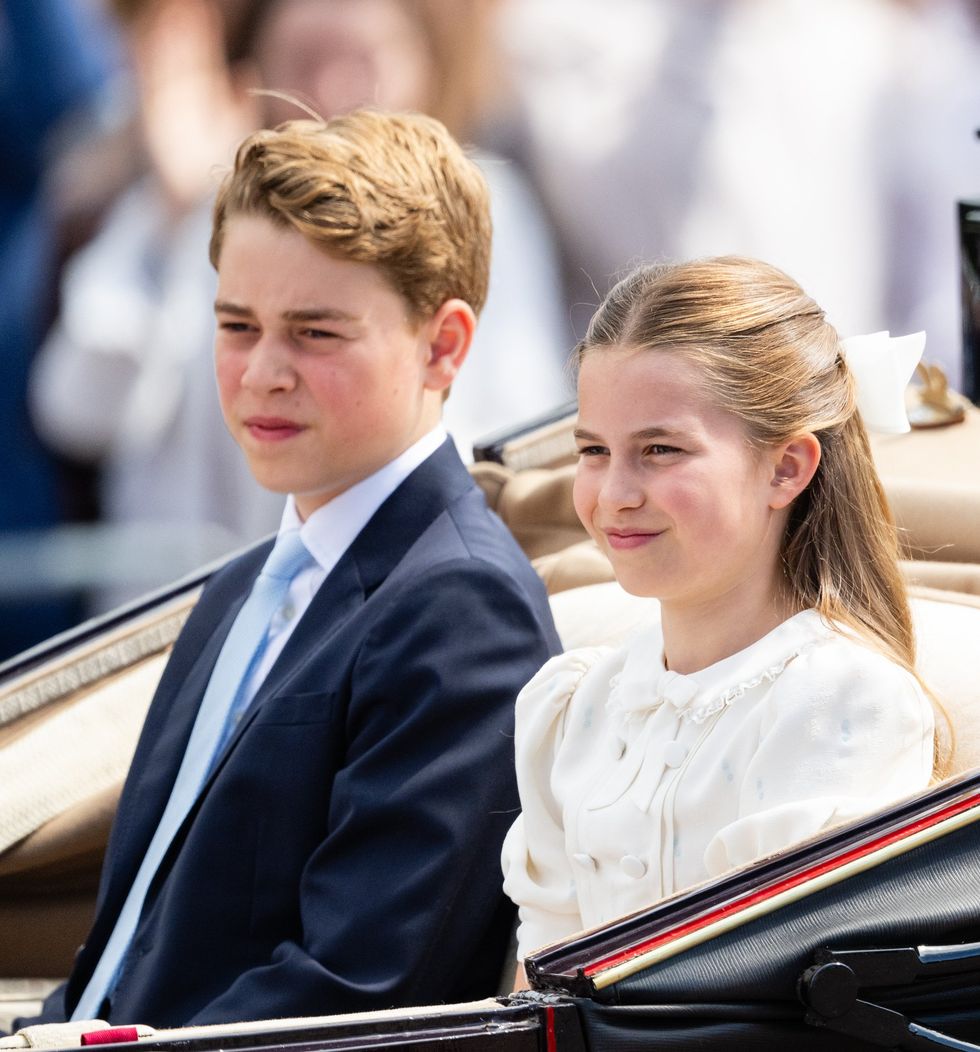
Prince George and Princess Charlotte waved to crowds during the King's Birthday Parade.
|GETTY
Three royal colonels rode on horseback behind the King's carriage: the Prince of Wales in his role as Colonel of the Welsh Guards, the Princess Royal as Colonel of the Blues and Royals, and the Duke of Edinburgh representing the Scots Guards.
Leading the procession was the Band of the Household Cavalry, accompanied by two shire horses carrying solid silver kettle drums.
In a historic first, personnel from the Army, Royal Navy, and RAF Regiment lined the ceremonial route together, with units ranging from the 1st Battalion Coldstream Guards to the 26 Engineer Regiment, the Royal Lancers, and the 16th and 4th Regiments Royal Artillery.
This year's parade represents the fourth time the monarch has presided over the celebration since taking the throne.
|GETTY
The King's initial duty involved inspecting the troops, travelling by carriage past service personnel with the Queen, followed by Prince William, Princess Anne, and Prince Edward.
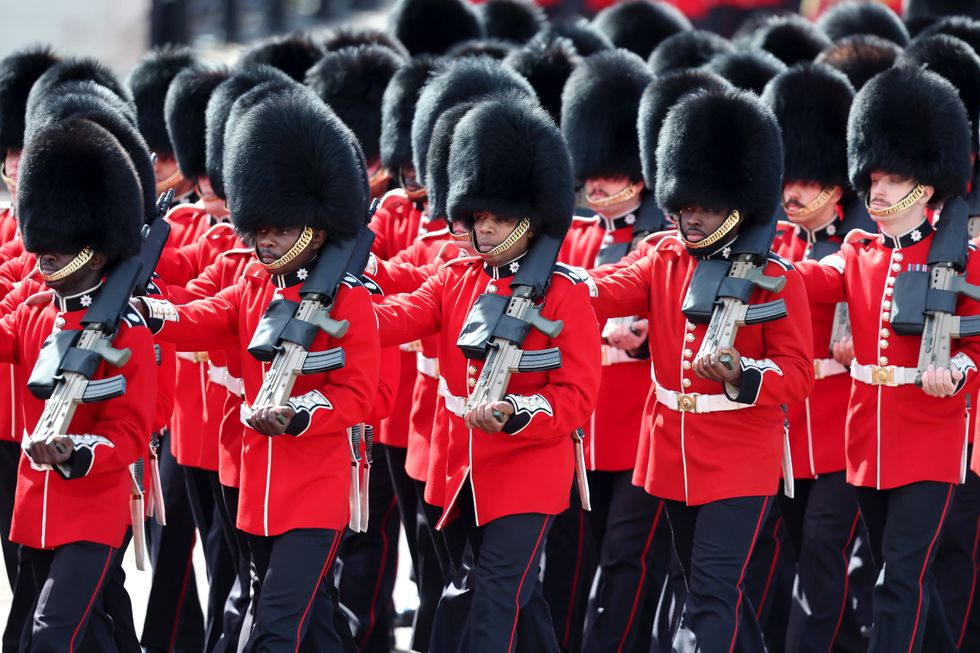
Under summer sunshine, the royal carriage passed more than a thousand guardsmen from the Grenadier, Scots, Irish, and Coldstream Guards regiments, though the Welsh Guards were represented solely by their band as their troops are currently undertaking operational training.
Queen Camilla paid tribute to her regiment with a red silk crepe dress in Grenadier Guards style, designed by Fiona Clare, paired with a Philip Treacy black beret featuring a white plume, her regimental cap badge, and a Grenadier Guards brooch.
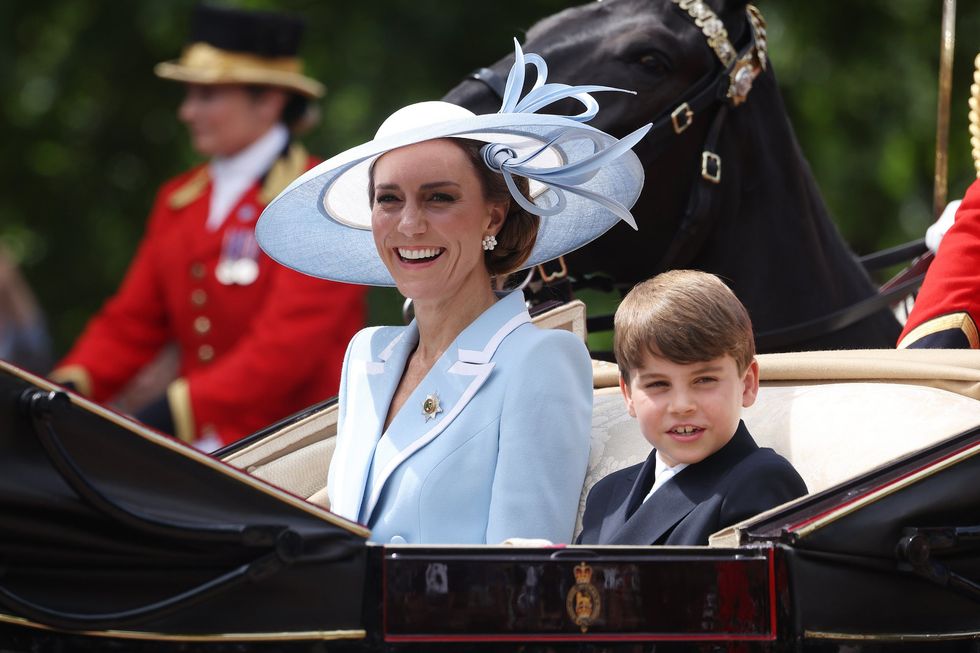
The Princess of Wales travelled in the Ascot Landau, a historic four-wheeled carriage with a convertible roof that can be lowered.
|GETTY
The 1st Battalion Grenadier Guards were granted the privilege of trooping their colour at this year's event, continuing a rotation among the five Regiments of Foot Guards.
The Grenadier Guards hold the distinction of being the British Army's most senior infantry regiment, with origins stretching back nearly four centuries.
Formed in Belgium in 1656, the regiment was originally established to serve as a personal bodyguard for Prince Charles during his exile, who would later become King Charles II.
A decade after its founding, the unit was redesignated as the 1st Regiment of Foot Guards.
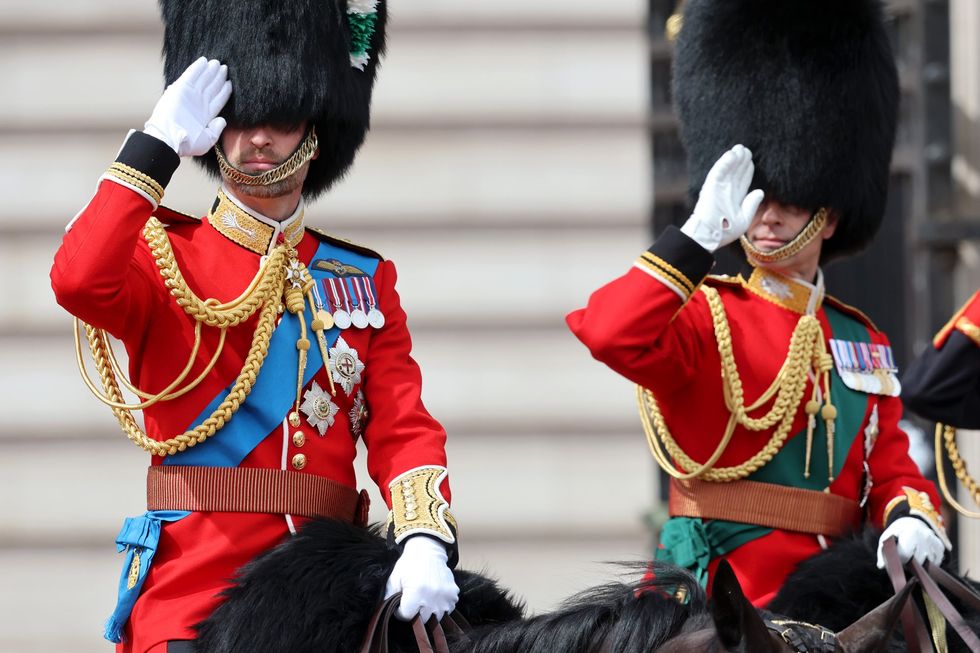
The Duke of Edinburgh travelled on Sir John, a horse presented to Queen Elizabeth II in 2016 to mark her 90th birthday.
|GETTY
The prestigious 'Grenadier' title was bestowed upon the regiment in 1815 following their role at the Battle of Waterloo, resulting in the formal designation "1st or Grenadier Regiment of Foot Guards".
Throughout its distinguished history, the regiment has accumulated 78 Battle Honours and produced 14 recipients of the Victoria Cross.
The colours paraded today were personally presented to the regiment by the King at Buckingham Palace Gardens on Tuesday.
The ceremony itself traces its roots to the early eighteenth century or even earlier, when battalion colours were paraded along the ranks to familiarise soldiers with these crucial battlefield markers.
From 1748 onwards, this military tradition became intertwined with celebrations of the Sovereign's official birthday, a practice that continues to this day.
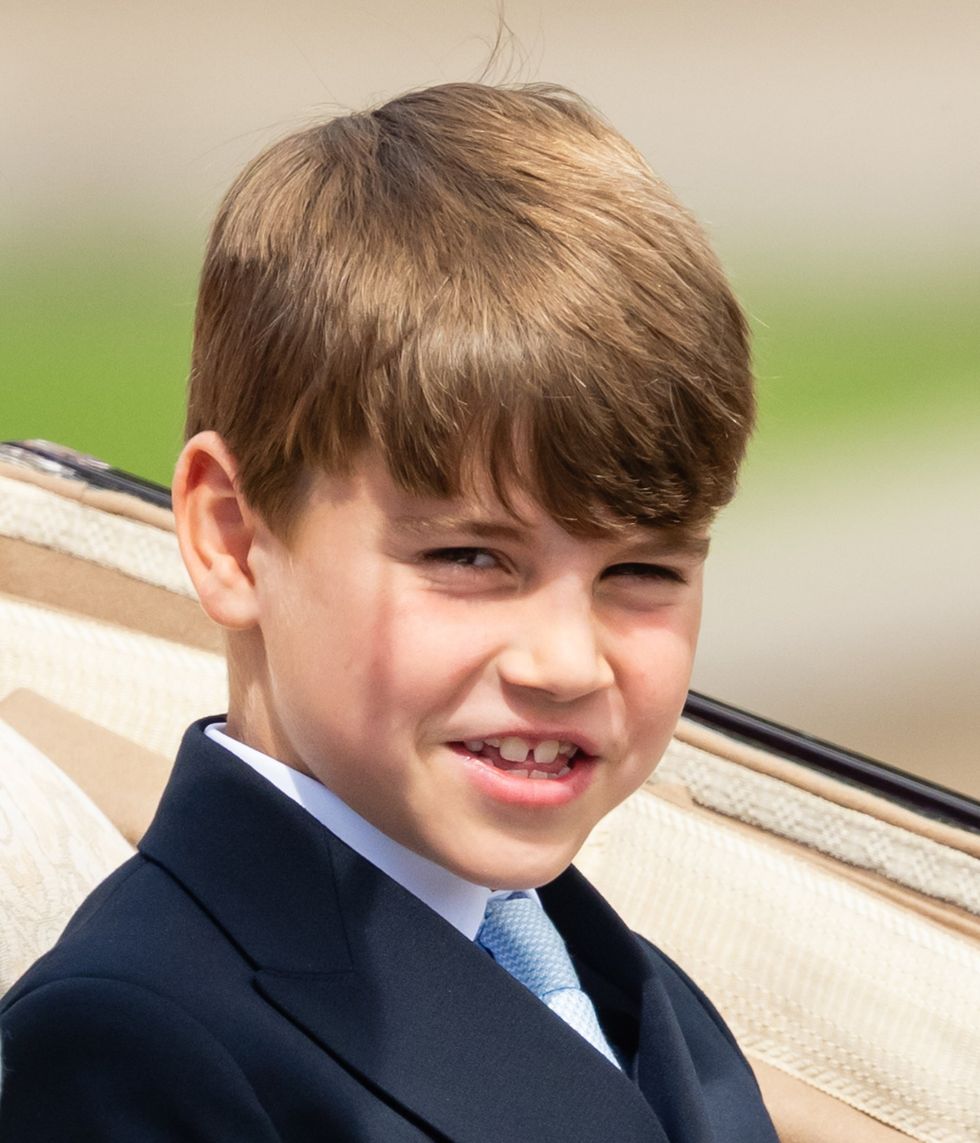
Prince Louis smiled at crowds gathered to celebrate Trooping the Colour.
|GETTY
 |
| GETTY
The King's own connection to the parade spans decades, with his first attendance occurring in 1951 when he was just three years old, travelling by carriage alongside his grandmother, Queen Elizabeth The Queen Mother, and his aunt, Princess Margaret.
His Majesty's active participation in the ceremony began in 1975, when he rode in the parade for the first time as Colonel of the Welsh Guards.
The privilege of Trooping the Colour rotates annually through the five Foot Guards regiments.
The privilege of Trooping the Colour rotates annually through the five Foot Guards regiments.
|GETTY
During the parade Prince William, Princess Anne and Prince Edward rode on horseback, riding mounts with a special connection to the Crown.
The Prince of Wales travelled on Darby, a horse presented by the Royal Canadian Mounted Police in 2019 to commemorate both the 80th anniversary of the RCMP's breeding programme and the 50th anniversary of their first gift horse, Burmese.
The Princess Royal rode Noble, a horse given to the King in 2023 and carried His Majesty during that year's birthday parade.
The Duke of Edinburgh travelled on Sir John, a horse presented to Queen Elizabeth II in 2016 to mark her 90th birthday.
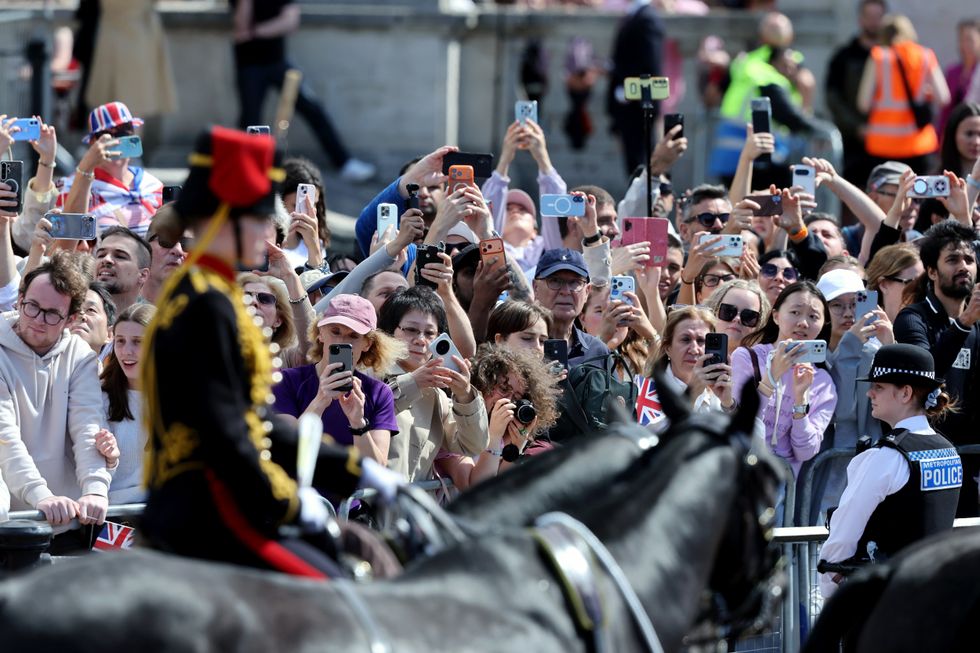
Britain is marking King Charles's official birthday today with the spectacular Trooping the Colour ceremony, bringing together thousands of spectators in Whitehall for one of the most anticipated events in the royal calendar.
|GETTY
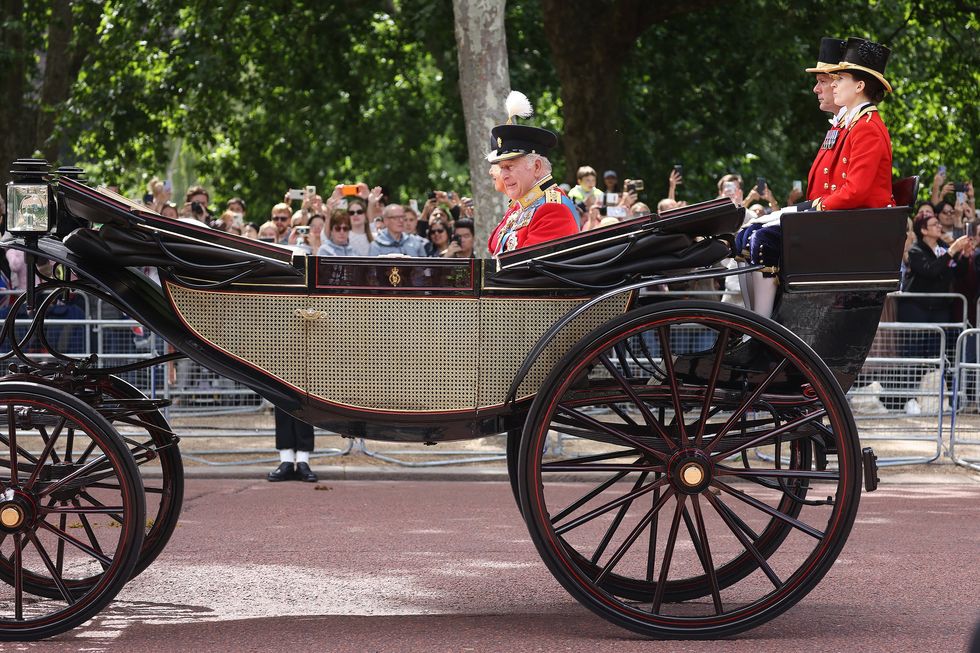
His Majesty's active participation in the ceremony began in 1975, when he rode in the parade for the first time as Colonel of the Welsh Guards.
|GETTY
The RCMP's association with the Royal Family dates back to the late Queen's Coronation in 1953, with the Mounties subsequently presenting Her Late Majesty with eight horses throughout her reign.
The Princess of Wales travelled in the Ascot Landau, a historic four-wheeled carriage with a convertible roof that can be lowered.
This elegant vehicle is one of five such landaus maintained by the Royal Mews, having been acquired during Queen Victoria's reign.
The carriage is primarily associated with the Royal Meeting at Ascot, where it features prominently in the annual procession, though it also appears at state visits, royal weddings and other ceremonial occasions.
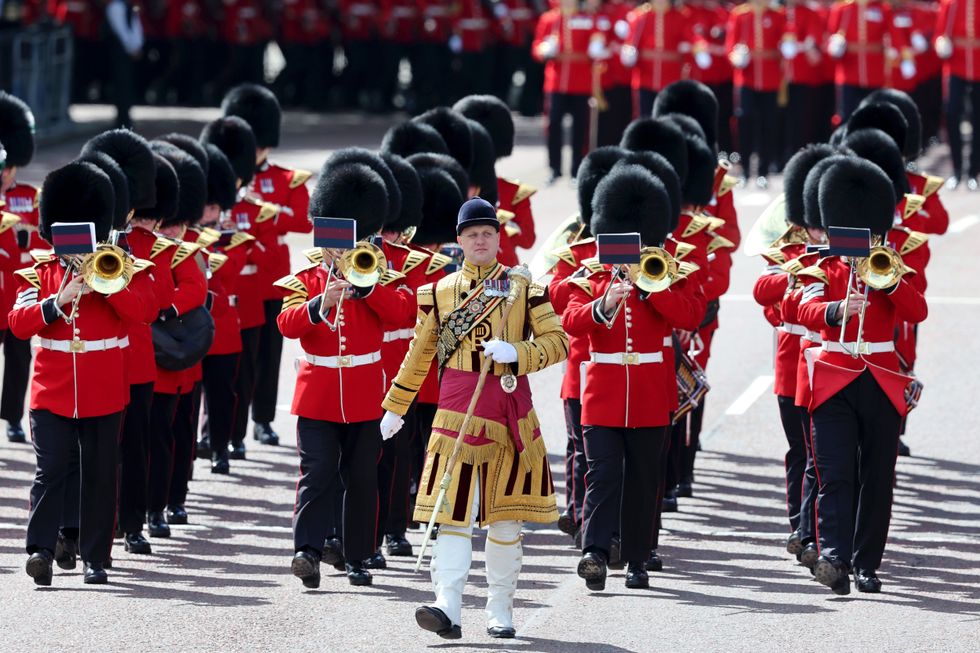
This year's parade represents the fourth time the monarch has presided over the celebration since taking the throne.
|GETTY
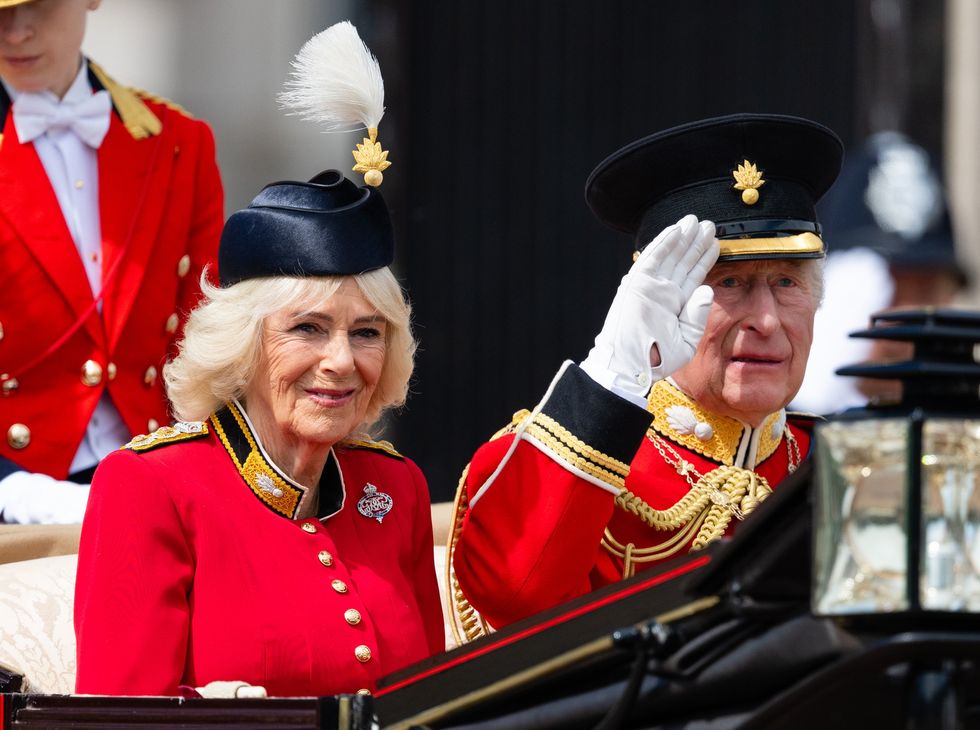
The King's own connection to the parade spans decades, with his first attendance occurring in 1951 when he was just three years old.
|GETTY
The Ascot Landau is typically drawn by the renowned Windsor Greys, horses that have fulfilled ceremonial duties for successive monarchs and their families since the Victorian era.
These distinctive grey horses continue to play a significant role in the nation's ceremonial life, maintaining a tradition spanning more than a century.
The King, serving as Colonel-in-Chief of the Household Division, donned the Grenadier Guards tunic and forage cap in keeping with the tradition of wearing the uniform of whichever regiment is trooping their colour.
His Majesty's uniform beared the cypher of Queen Elizabeth II, reflecting his former role as Personal Aide-de-Camp to the late monarch.
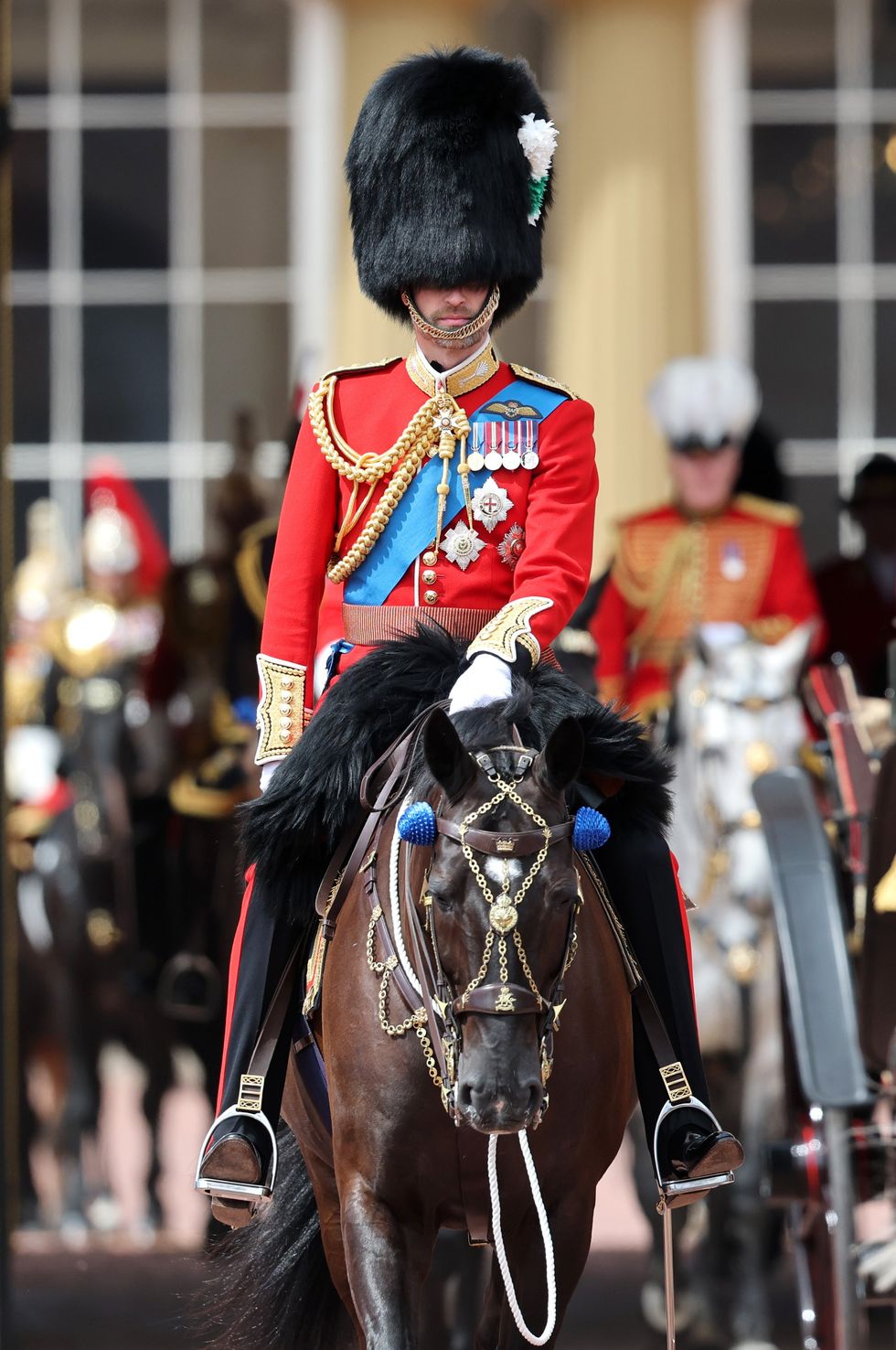
The Prince of Wales rode Darby, a horse presented by the Royal Canadian Mounted Police in 2019 to commemorate both the 80th anniversary of the RCMP's breeding programme and the 50th anniversary of their first gift horse, Burmese.
|GETTY
Among the decorations adorning the King's uniform are the Most Noble Order of the Garter Sash with the Lesser George, alongside medals including the Coronation Medal from 1953 and jubilee medals spanning seven decades.
The Prince of Wales appeared in the Full Ceremonial Guard Order of the Welsh Guards, while the Duke of Edinburgh is wearing the Scots Guards ceremonial dress.
The Princess Royal, as Colonel of The Blues and Royals, is wearing the full mounted ceremonial uniform of that regiment and carry the Gold Stick as Gold Stick-in-Waiting.
Our Standards: The GB News Editorial Charter