




Residents in south London have expressed outrage after their town installed the UK's first permanent facial recognition cameras.
Croydon had been designated as a crime hotspot, with the cameras arriving just weeks after Labour unveiled controversial plans to deploy the technology across towns, cities and villages nationwide.
The borough has since earned the unwelcome nickname "Big Brother town" among critics.
Local opinion remains sharply split, with some residents praising the initiative for making shopping trips feel safer, while others have condemned what they describe as a "dystopian" and "invasive" intrusion into their daily lives that violates fundamental privacy rights.
TRENDING
Stories
Videos
Your Say
Stay-at-home mother Amy expressed scepticism about the cameras' effectiveness, arguing that criminal activity will simply relocate to other parts of the borough.
The 33-year-old said: "Now people know exactly where it's all set up and where police are going to be waiting.
Pointing to her toddler, the mother added: "He's two. When it comes to high school I'll be moving out of the area, because I think that's where issues start to happen during the teenage years."
Croydon native David McDonald added: "[Having cameras] doesn't stop them. They don't care if they've got them, they'll just come out and carry on doing the same thing.
"People steal, I've seen police running, security guards running after them all the time."
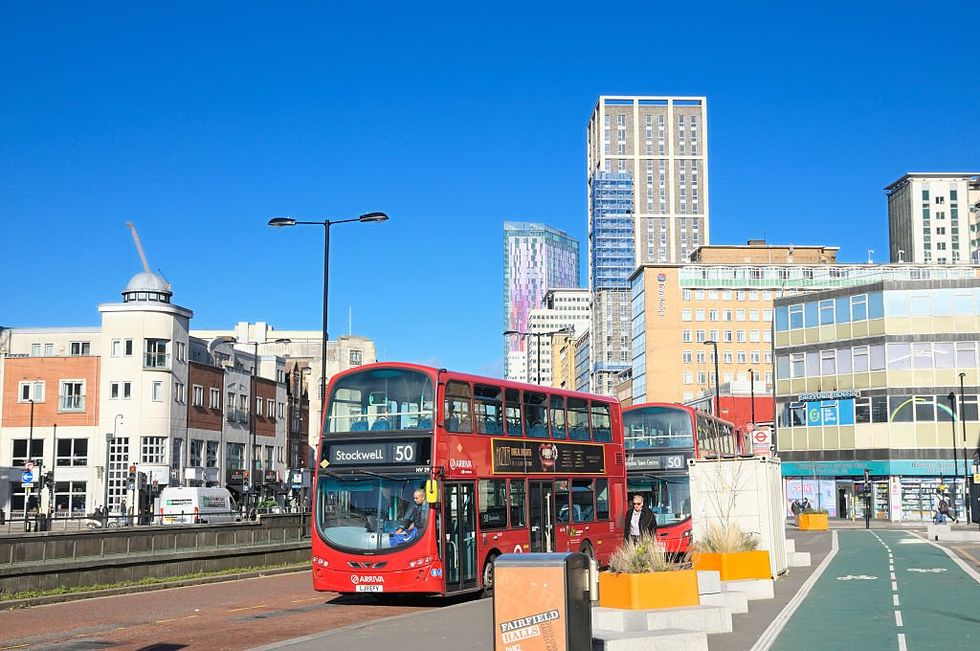
Croydon town centre is trialling the scheme
|GETTY
One of those who welcomed the move was local shopper John, 81, who said crime had been "rife" before the cameras arrived, adding he feels safer since then.
He told MailOnline: "I think it's an excellent idea. If you haven't been involved in any crime, why should you worry about it?
"Particularly with all the scooters that go up and down here, it's the easiest thing in the world to just snatch something and be away. I've seen people have things snatched, so it's an excellent idea."
Another resident welcoming the move was 80-year-old Jean Baxter who said: "I'm quite happy with them, it's good. It's got to be a good thing," she said. "I've got nothing to hide. If you're not guilty then it doesn't matter."
LATEST DEVELOPMENTS:
- Fight against facial recognition camera rollout set to reach High Court amid 'open prison' fears
- Calling facial recognition racist provides cover to monsters wanted for the worst crimes - Peter Bleksley
- Anti-knife crime campaigner urges caution as facial recognition tech expands: 'There is some major concerns'
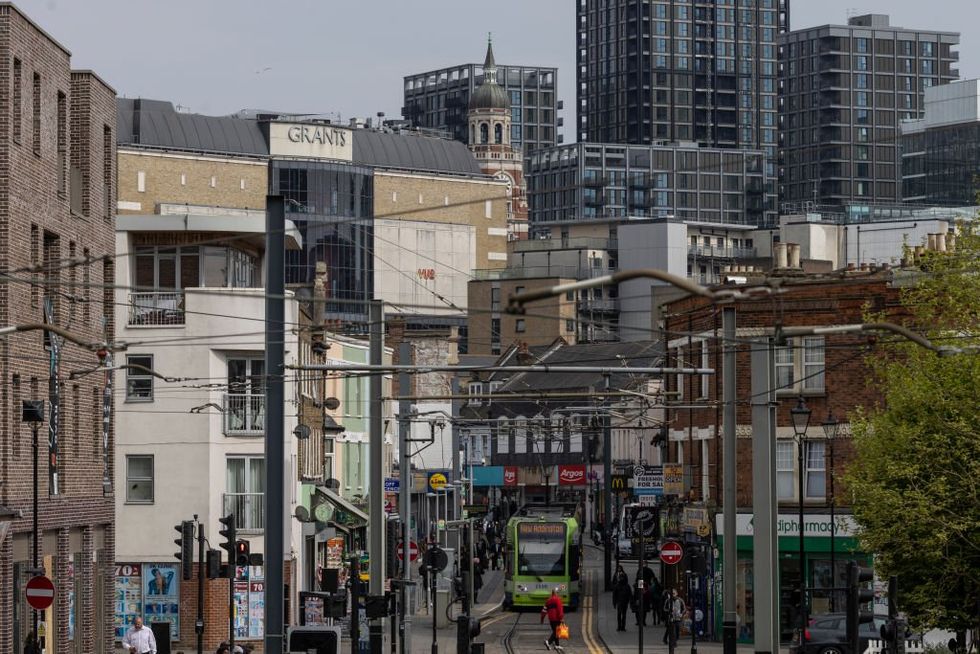
Croydon is trialling the scheme
|GETTY
Amy, a 33-year-old stay-at-home mother who has spent her entire life in Croydon, expressed scepticism about the cameras' effectiveness, arguing that criminal activity will simply relocate to other parts of the borough.
"Now people know exactly where it's all set up and where police are going to be waiting," she observed.
University student Maria, 20, admitted finding the technology "invasive" and "like you are being watched," while criticising the lack of visible signage alerting pedestrians to the surveillance.
Her friend Paulina Gomez, also 20 and a native to the area said she still does not feel safe walking the streets alone, adding: "I just feel like Croydon is always going to be Croydon."
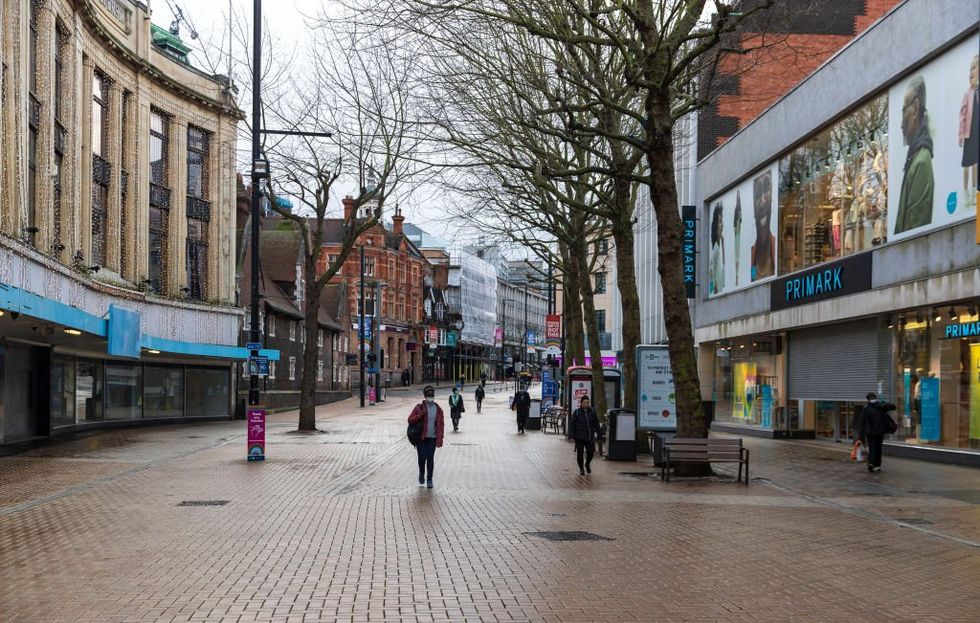
One Croydon resident said the cameras would not stop people
|GETTY
The Metropolitan Police has reported striking results from the pilot scheme, with officers arresting one suspect every 34 minutes on average while the equipment operates.
Since the cameras went live, 100 arrests have been made, with a third relating to violence against women and girls, including strangulation and sexual assault cases.
Among those apprehended was an alleged violent offender who had evaded capture for more than two decades, wanted over an assault dating back to 2004.
Croydon's Conservative Executive Mayor Jason Perry defended the initiative, stating that the pilot "has led to a significant number of arrests" and is "helping to make our streets safer."
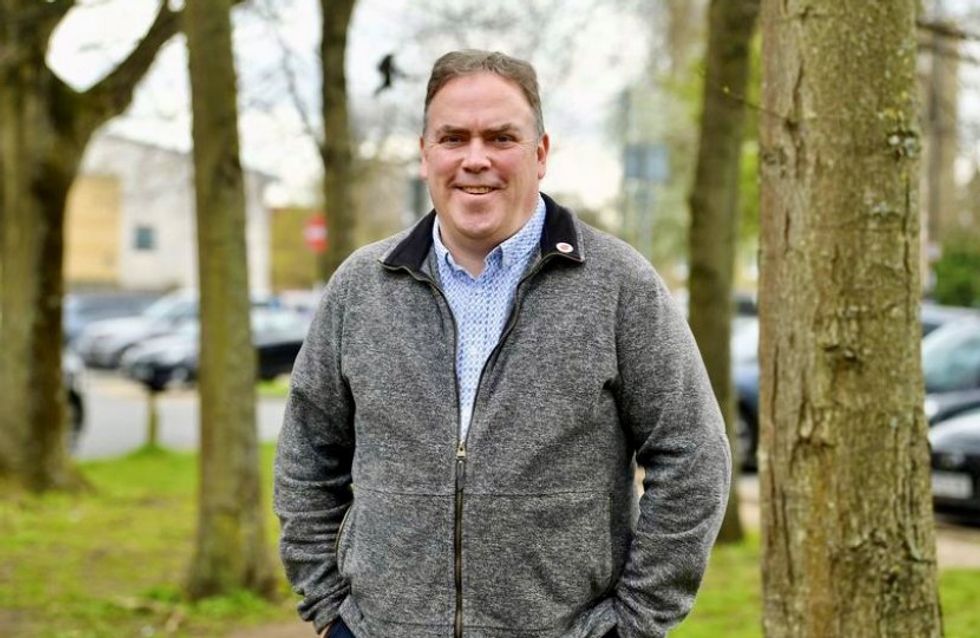
Croydon's Executive Mayor Jason Perry spoke in favour of the scheme
|CROYDON ONSERVATIVES
In July, it was reported that some 20 town centre and high street areas accounted for 10 per of knife crime, 24 per cent of theft person offences and six per cent of anti-social behaviour calls.
These areas included Croydon town centre, as well as Barking, Brixton, Ealing, Woolwich, Ilford, Kingston, Romford and Shoreditch.
A Met Police spokesman said: "The increase in Live Facial Recognition deployments across crime hotspots in London is driven by its proven impact and success - with more than 1,700 dangerous offenders taken off the streets since the start of 2024.
"This is why we are trialling a static LFR pilot in Croydon. In just three months and 13 deployments, crime in Fairfield Ward, Croydon, is down by 12 per cent, and 103 arrests have been made, including those wanted for kidnap, strangulation and other violent offences.
"We have robust safeguards in place to protect people's rights and privacy. If a member of the public walks past the cameras, and is not wanted by the police, their biometrics are immediately and permanently deleted. The cameras are only switched on when officers are deployed and using the technology."
More From GB News