










Now, dear reader, it is not my intention to give you sleepless nights, but the harsh reality of living in the increasingly lawless United Kingdom is that there are thousands of wanted fugitives walking the streets, using the roads, frequenting the shops and otherwise mingling among us.
Many of these criminals are dangerous, very dangerous indeed, and even the most cursory of glances at the internet can reveal the horrific nature of the offences for which these criminals need locking up. Here's just three brief examples:
Noor Alam used to be an Imam at a Mosque in Northampton. He taught religious studies to kids. He is currently wanted by police for an offence of sexual assault on an eight-year-old girl. The authorities believe that he poses an ongoing risk to young children.
Amjad Hussain was arrested in 2020 in conjunction with a large investigation into child sexual exploitation in West Yorkshire.
He was granted bail, which he then went on to breach. After disappearing, he was tried in his absence at Leeds Crown Court for the rape of a teenager, found guilty, and sentenced to 10 years imprisonment. Police are rather keen to find him so that he can serve that prison time.
Ron Domi is wanted by Bedfordshire Police for the rape and sexual assault of a girl that occurred in woods near Luton in October 2022.
Murderers, fraudsters and drug dealers all feature on ‘Most Wanted’ lists, as do numerous convicts who are wanted for absconding from prison, or have gone on to breach release conditions, and should therefore be returned to prison to serve out their original sentences.
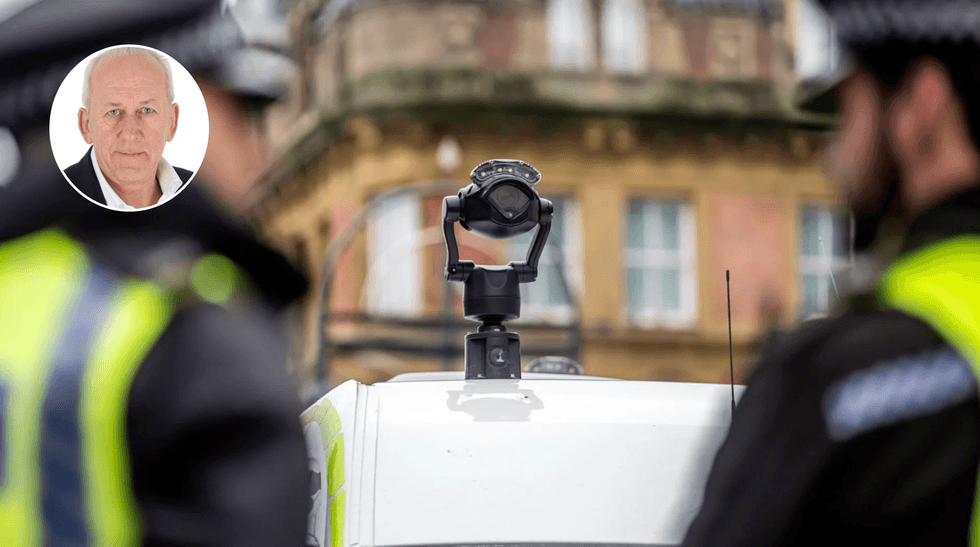
Calling facial recognition racist provides cover to monsters wanted for the worst crimes - Peter Bleksley
|Getty Images
In a perfect world, a squad of detectives would be allocated to tracking down and detaining each and every one of these offenders, but in Starmer’s Britain, that is never going to happen, so the police have reached out and embraced a relatively new tool in an effort to trace and lock up some of these wrong ‘uns. Step forward, facial recognition cameras.
The Metropolitan Police and their colleagues in South Wales have led the charge on this front. Whilst successive Parliaments buried their heads in the sand over this emerging technology, London and Cardiff saw their officers deploying these cameras and enjoying considerable success as criminals on the run were identified and placed into handcuffs.
In the early days, there were some concerns. The cameras were not entirely reliable when it came to correctly identifying people of colour, but to the eternal credit of The Met and South Wales Police, they pressed on, whilst the boffins did their work and made huge improvements in the accuracy, reliability and effectiveness of these camera systems.
Just like fingerprints, no two faces are identical. The sizes of our mouths and noses are all different. The gap between your eyes and the curl of your eyelids is not the same as mine, and they are unlike those of any other person you pass in the street.
Facial recognition cameras instantly measure all of these characteristics and make a comparison to the images of wanted persons that the police rightfully store on their systems. If the cameras identify a wanted fugitive, then a team of officers lies in wait, and a trip to a police station swiftly follows.
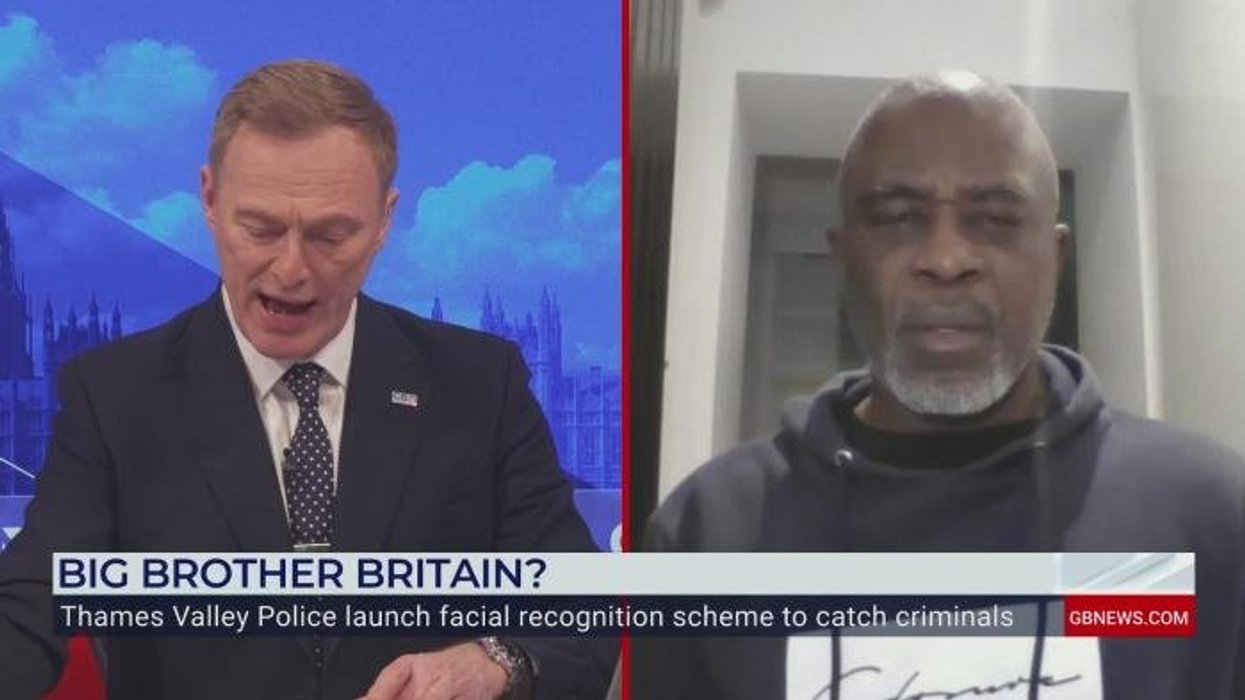
I’ve debated the virtues of this technology with a number of Human Rights bandwagon jumpers on GB News in recent times. Invariably, these generally unhinged souls use examples of bad policing, such as arresting people for lawful social media posts, as a reason for banning them from utilising these cameras.
I’ve been one of the most vocal media critics of the police, when justified, for the past 25 years, but denying the police this vital technology because they make mistakes in other areas of their work is like banning a hairdresser from using scissors, because she’s not very good at sweeping up cuttings.
Our beleaguered, underpaid and overworked frontline police deserve our support when they get things right. Police bosses need to be held to account when they get things wrong, and they do that with frightening regularity.
When it comes to this state-of-the-art tech, The Met and South Wales have pioneered, whilst other forces sat on their hands. Some of those constabularies are now realising the error of their ways and are gradually playing catch-up.
Good. Every police service in the length and breadth of the country should now be installing these cameras permanently as far and wide as they possibly can. To not do so would only be to the benefit of fugitives, and would therefore be a huge dereliction of the duty.
Now, dear police, just get on with it.
More From GB News