







A devastating stealth tax could "accelerate" the number of British churches crumbling into disrepair, sources have told GB News as Britain's holy places of worship face a new peril from Rachel Reeves.
Hundreds of parishes across the UK could be forced to close as drastic changes to VAT refunds on repairs could make essential maintenance unaffordable, despite Christianity's growth in recent years.
Under controversial new rules brought in by the Chancellor last April, the maximum amount of cash each church can claim back each year for renovation works through the Government's Listed Places of Worship Grant Scheme is £25,000.
The National Churches Trust (NCT), which is leading a campaign to keep churches open across the UK, said 3,500 churches have closed in the last decade, with 2,000 set to shut within the next five — and there are fears that figure could grow after 500 ceased operations last year.
TRENDING
Stories
Videos
Your Say
There are also concerns that the Treasury could permanently end the scheme, which is currently in place until March.
This, the NCT argues, could mean churches are forced to take on 20 per cent of repair costs.
The organisation is calling on Cabinet ministers to scrap the £25,000 VAT cap and make the Listed Places of Worship Scheme, introduced over two decades ago by then-Chancellor Gordon Brown, permanent.
Ben Sims, head of policy and public affairs at the NCT, told the People’s Channel: "Churches have been able to rely on the scheme since 2001 and every Government until now had believed it is important to refund the VAT on churches because of all the charity work they do.
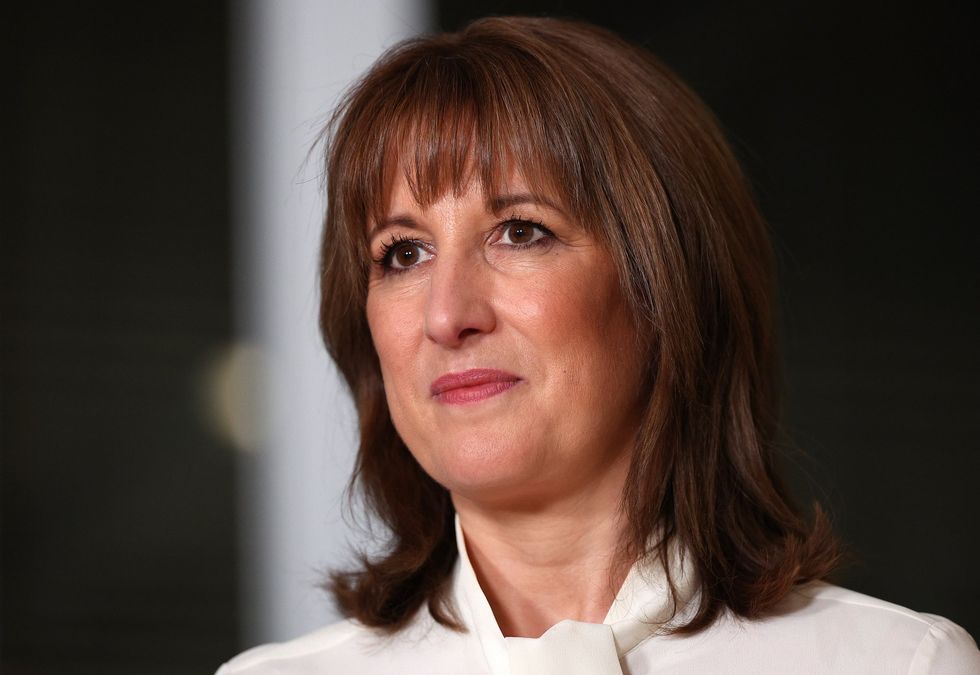
New rules introduced by Labour last year mean the maximum amount of cash each church can claim back for repair works is £25,000
|PA
"We know there are certain churches that have been doing very big projects and when they found out they could only claim £25,000 this year have actually cancelled their projects.
"There are about 200 churches which are going to be affected by the cap this year."
Beyond serving as a place of worship, many churches operate food banks, serve as warm spaces and run groups such as Alcoholics Anonymous and toddler groups.
Mr Sims said a spike in church closures could have a "knock-on effect" on the National Health Service, claiming they save the taxpayer £8.5billion each year.
Research from the NCT also showed churches provide £55billion social benefit to the UK each year.
"We did our research and though that sounds like such a huge figure, if anything that is conservative," he said.
"They have been described as a lifeline beneath the lifeline."
"(The VAT cap) will accelerate the rate at which churches are closing. About 500 closed last year," he added.
"It is a huge number and it is accelerating. If you make it more difficult for people to repair the buildings, people like to believe those congregations will move to other buildings.
"But we have done research that shows about one in three people, if their church closes, will never go to church again.
"If we start imposing tax on them that is just going to speed it up."
Churches that have felt the effect of the policy change was St Mary Magdalene Church in Newark-on-Trent, Nottinghamshire, which had already begun a major restoration project and faced a sudden £600,000 financial gap.
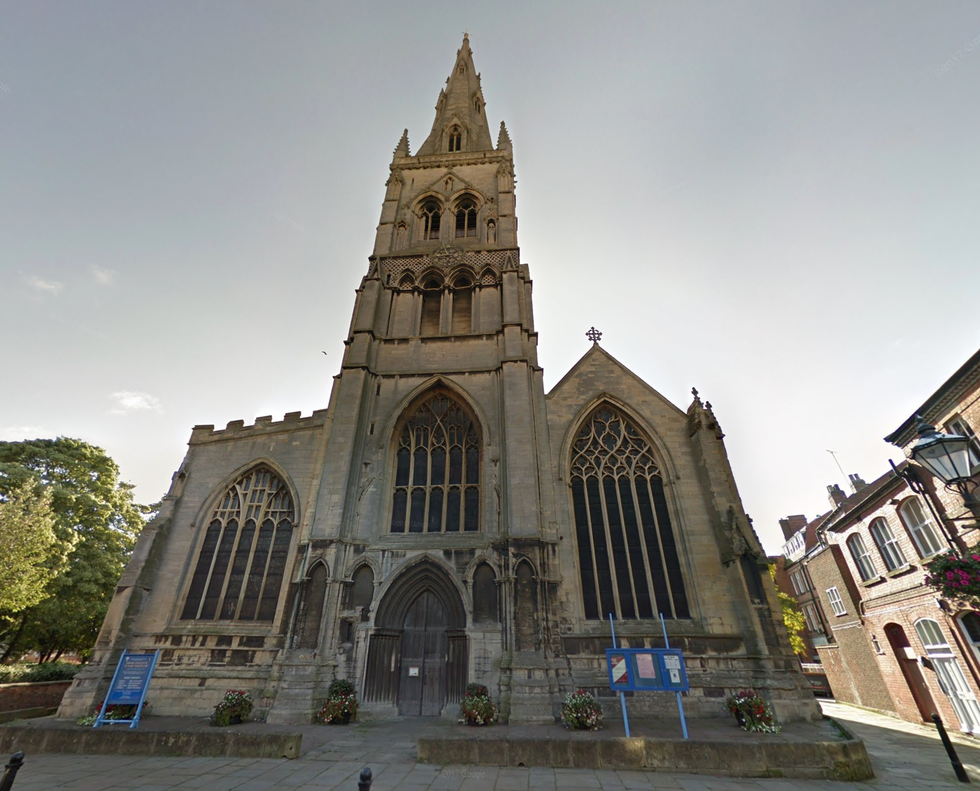
St Mary Magdalene Church in Newark-on-Trent, Nottinghamshire, was faced with a £600,000 gap after the VAT cap was introduced
| GOOGLEThe 900-year-old church, part of the Church of England, was considered high risk, according to Historic England, and at the time was using around 60 buckets of water to capture rainwater seeping through its roof.
Its renovation works included "high-level external work" alongside replacing boilers, toilets, a new kitchen hob and heating under its pews.
Revered Danny Marshall said: "When the policy was abruptly pulled, we were obviously already in contract in the middle of our major building work because we'd already started boots on the ground, scaffolding up.
"For us, it caused a £600,000 gap in our already agreed contract, which resulted in a second round of doing some value engineering, working out what is essential and what is desirable, as well as going back to alternative funding streams, such as the National Lottery Heritage Fund, who contributed again, as well as Historic England and other funding sources.
"I would say that the gap was never really closed. It was just managed and we had to find alternative funding and we also had to remove some things that were originally in the plans.
"So it was costly both ways because we had to go back to funding bodies as well as the stress and the strain of working out what is essential and what is desirable."
Rev Marshall said he felt the community was "let down" by Labour's decision and feels it would have a "significant impact" across the nation if the scheme was not extended.
He added: "[Churches] don't just serve a Sunday congregation that comes for worship.
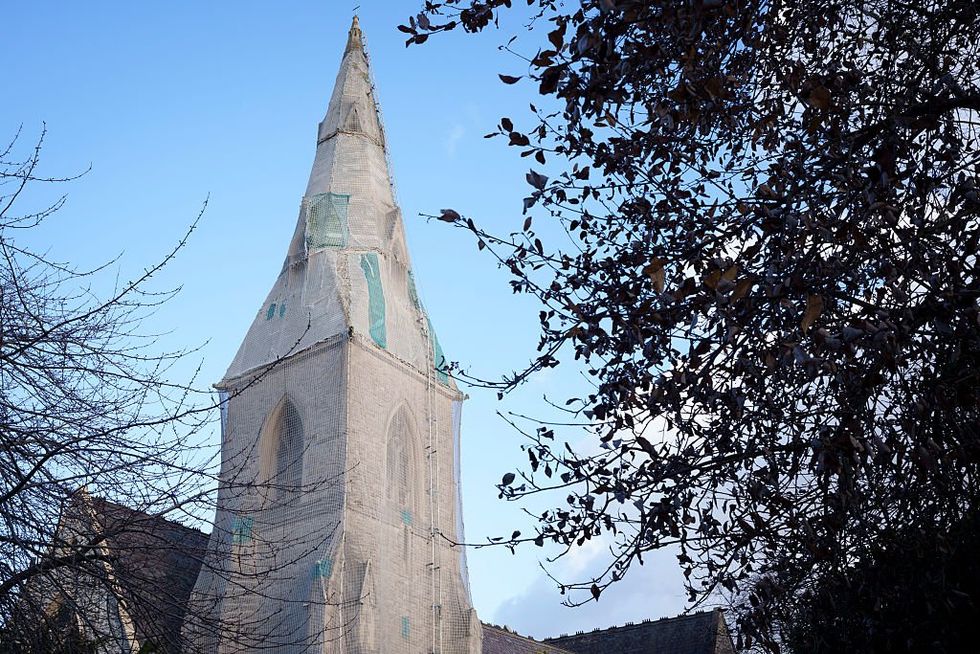 Campaigners argue scrapping the grant scheme could mean churches are forced to take on 20 per cent of repair costs | GETTY
"They serve the person who comes in who wants to light a candle in remembrance, the warm space, the food bank, the community activities that we run day-by-day.
"Church is not just about Sunday, it is open all the time for the community. We are about the wider parish and not just about those that attend on a Sunday morning."
There are around half a dozen churches in Leeds, near the Chancellor's own constituency, and about nine in Sir Keir Starmer's constituency of Holborn and St Pancras, which are listed as heritage "at risk" by Historic England and could therefore be feeling the effects of the VAT cap.
The Government allocated a total budget of £23million for the Listed Places of Worship Grant Scheme for the 2025/26 financial year.
It said the scheme will close on March 31, or once the budget has been reached, with more than £13million having currently been spent.
Tory MP Saqib Bhatti said he was "sickened" by the changes Labour made to the "vital" grant last year.
The MP for Meriden and Solihull East said: "Places of worship are pillars of local communities right across Britain.
"They’re places for people to get together, celebrate their local traditions and offer a window into our past as well as doing an enormous amount of social good, especially for our most vulnerable constituents.
"That’s why I was sickened that Labour cut the Listed Places of Worship Grant scheme last year and have failed to provide certainty over an extension to the scheme past March.

Conservative MP Saqib Bhatti described the grant scheme as 'vital'
|X/SAQIB BHATTI
"The scheme is vital and it allows our churches to make essential repairs so that they can continue to serve our communities and uphold our nation’s rich history.
"With the Conservatives now backing my campaign to restore the Listed Places of Worship Grant scheme in full, it makes very clear that there is only one party prepared to stand up for our national heritage and save our churches."
The Archbishop of York, Stephen Cottrell, and the Roman Catholic Church has also previously called on the Government to make the scheme permanent.
Speaking in October, Mr Cottrell said: "We know that churches are incredibly anxious about the future of the Listed Places of Worship grant scheme.
"We urge the heritage minister, Baroness Twycross, to recognise that this vital scheme has been a lifeline for church and cathedral buildings for over 20 years, and we want to make it permanent.
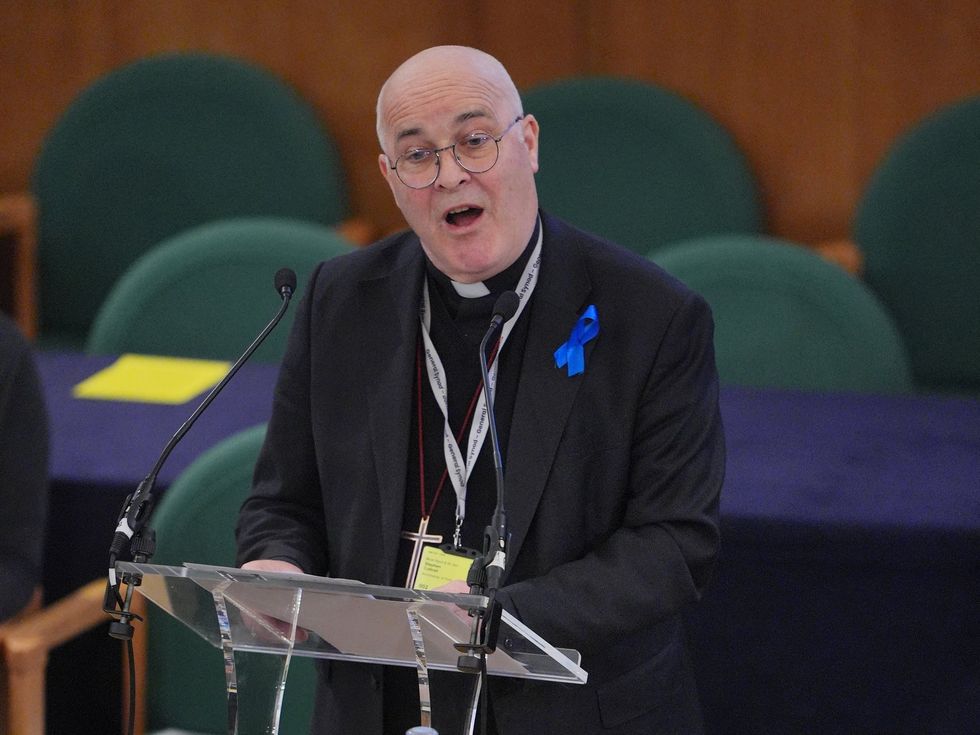
Archbishop of York has called on the Government to make the scheme permanent
|PA
"Churches are already doing all they can to fund urgent repairs, accessibility works and sustainability improvements to keep churches watertight and warm for the people they serve."
Changes made to the grant scheme in 2025 came amid a surge in young people expressing religious beliefs.
Figures released by YouGov last year showed that belief in God among 18 to 24-year-olds almost tripled in just three-and-a-half years, rising from 16 per cent in August 2021 to 45 per cent in January 2025.
Among 25-49-year-olds, belief was shown to have risen more modestly, from 21 per cent to 33 per cent over the same period.
Church attendance figures have also increased, according to two YouGov polls in 2018 and 2024, which showed a 56 per cent growth in UK adults attending church at least once a month.
A Department for Digital, Culture, Media and Sport spokesman said: "Listed places of worship are important to faith communities and provide a range of hugely valuable services to the wider public.
"Many of them are also architecturally and historically significant.
"In recognition of this, last year the Government extended the Listed places of worship grant scheme until March 31, 2026."
Our Standards: The GB News Editorial Charter
More From GB News