










Your heat pump could be used to spy on you, industry experts warn.
Cyber specialists say smart heat pumps can collect valuable information for hackers and criminals because they gather detailed data showing when families are at home, asleep, at work or away.
The warning comes as the Government presses ahead with plans for millions more households to switch from gas boilers to heat pumps over the coming decade.
Former Tory leader Iain Duncan Smith said: “These systems hold large amounts of data and can be easily hacked. This Government must stop interfering in people’s lives.”
Unlike traditional gas boilers and standard smart meters, many smart heat pumps are directly linked to household Wi-Fi networks.
Experts say this makes them more vulnerable to hackers because they rely on internet-connected apps, cloud systems and remote monitoring technology.
A traditional boiler setup uses a gas meter linked through a “closed” network connected to the main electricity meter.
But heat pump systems require additional monitoring devices to measure the exact amount of heat being generated and transferred through the home.
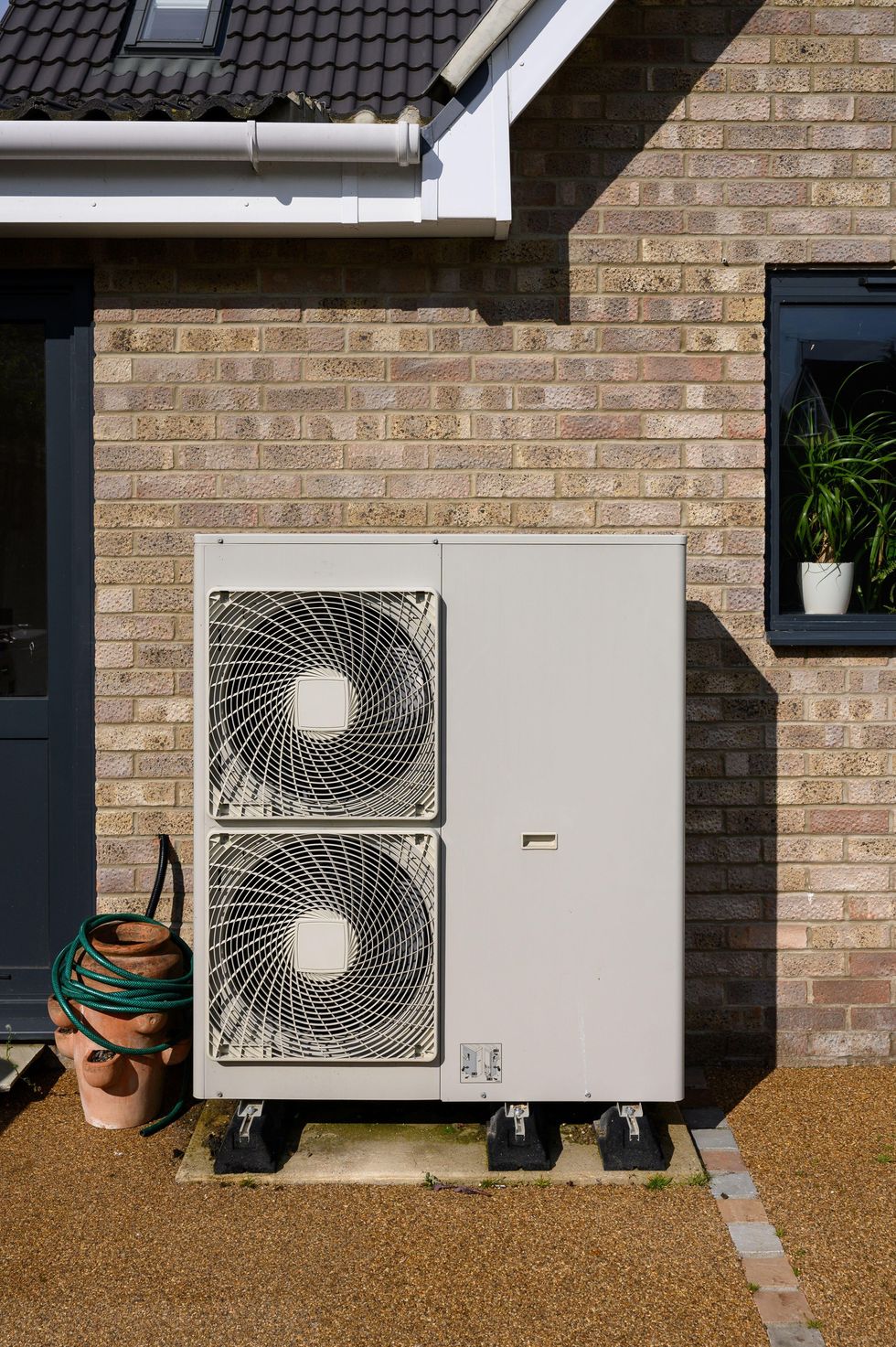 The Government wants 600,000 heat pumps a year to be installed by 2028 | PA
These systems often include secondary meters and heat-flow meters connected directly to the internet so data can be sent to manufacturers and performance monitoring apps in real time.
That data can include room-by-room temperatures, heating schedules, water flow and energy use patterns.
Experts warn this creates what is called a “behavioural energy signature” - a digital picture of somebody’s daily routines and whether a property is occupied.
Cyber security expert Andrew Jenkinson said: “Unlike ordinary smart meters, many smart heat pumps are connected straight to household Wi-Fi and internet apps, which can make them more vulnerable to hacking if security is weak.
LATEST DEVELOPMENTS
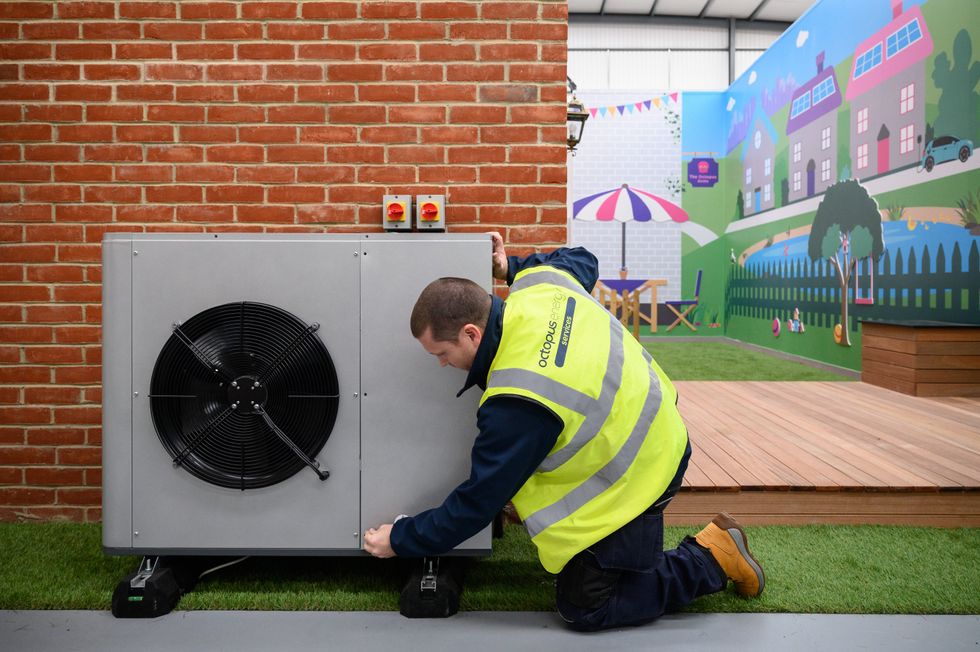 There has been a significant ramping up of heat pump installations in the UK | GETTY
“These systems can build up a detailed picture of when people are at home, at work or away - information that could be useful to criminals.”
He said that the security issue was a problem for many devices suddenly being controlled by the internet.
He said: “You cannot connect millions of internet-facing devices into people’s homes, collect behavioural data from them, and then treat cyber security as optional. The attack surface consequences are entirely predictable.”
Mr Jenkinson warned the rapid Net Zero rollout risks “putting speed ahead of proper security”.
He said: “Weak security, poor passwords and outdated software are still common in smart home devices.”
Ken Munro, managing partner at Pen Test Partners, a cyber security company specialising in hacking, also raised concerns over the technology.
He said: “There is a rush to market taking place with this technology and as with any connected device this causes problems. “I have concerns, there are vulnerabilities. Smart heat pumps, while offering comfort and energy savings, also bring risks if they are not properly secured.”
Cyber attacks involving connected home devices have become increasingly common globally in recent years. Hackers have already targeted smart CCTV systems, baby monitors, doorbells and other internet-connected home technology.
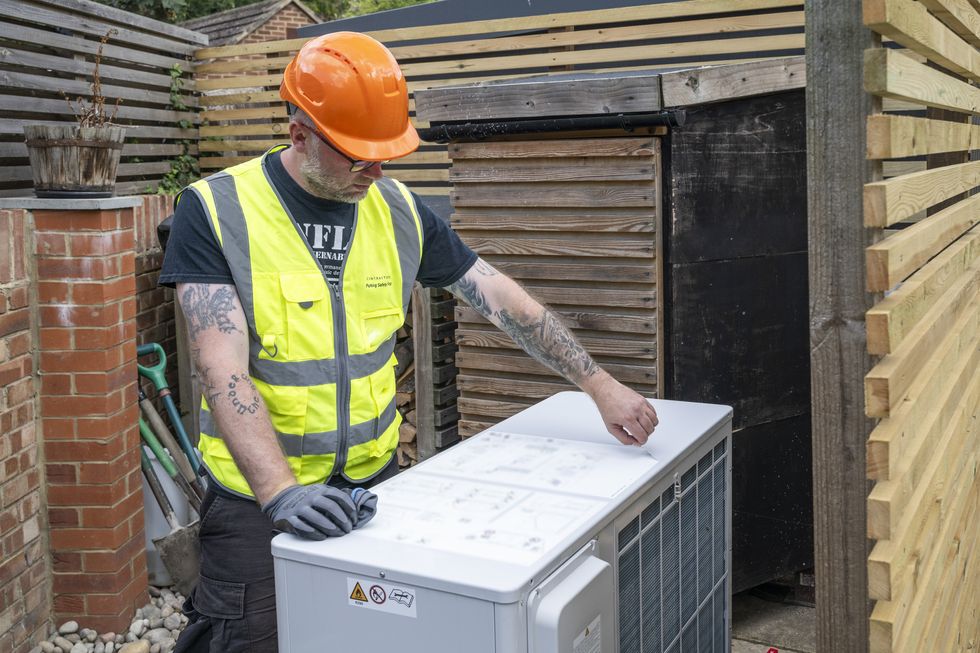 The Government is striving for the vast majority of homes to remove their gas boilers when they break down after 2035
 Industry analysts say heat pumps could become another attractive target because they remain permanently connected and constantly generate data.
Heat pumps, which were first developed commercially decades ago, have increasingly been promoted in recent years as part of Net Zero plans to cut carbon emissions from home heating.
Previous government plans aimed to phase out new gas boilers over the coming decade and dramatically increase heat pump use instead.
Ministers are aiming for hundreds of thousands of installations a year by the end of the decade.
But rollout has been far slower than expected. Industry figures show heat pump sales remain a fraction of the level needed to hit official targets, with critics pointing to high installation costs, disruption, electricity demand concerns and resistance from homeowners living in older properties.
Ministers argue heat pumps are essential for cutting carbon emissions and lowering long-term energy use.
The Department for Energy Security and Net Zero has previously said cyber security protections for smart appliances are being strengthened.
Earlier this year ministers completed a consultation on proposals covering energy smart appliances, with secondary legislation expected later this year.