








Healthy life expectancy in Britain is in "crisis" with people in the country’s poorest areas now likely to fall into ill health in their 50s, leading experts have warned.
A hard-hitting new analysis of national health trends says the UK is becoming a nation where millions spend the final decade or more of their lives sick, frail and unable to work, despite soaring taxes and record NHS spending.
For decades, healthy life expectancy in Britain steadily improved as advances in medicine, housing, sanitation and living standards helped people stay healthier for longer. But experts say that progress has now stalled, and in many poorer parts of the country, it is going into reverse.
Leading academics Professor Carl Heneghan and Dr Tom Jefferson, from Oxford University’s Centre of Evidence Based Medicine, warned Britain's health is now "coming apart at the seams” as healthy life expectancy falls and the gap between rich and poor widens dramatically.
Writing for their Substack, Trust the Evidence, the pair carried out research showing the average number of years Britons can expect to live in good health has dropped by around two years over the past decade to just over 60.
That means many people are now likely to spend years in ill health before even reaching state pension age. And in Britain’s poorest communities, the picture is even bleaker, they found.
Healthy life expectancy has crashed to the “mid-50s” in deprived areas – with some men in the worst-hit parts of England expected to remain healthy for barely 52 years, according to official data.
The stark warning comes as Britain battles soaring levels of obesity, diabetes, cancer, heart disease and mental ill health – alongside record numbers of working-age adults too sick to work.
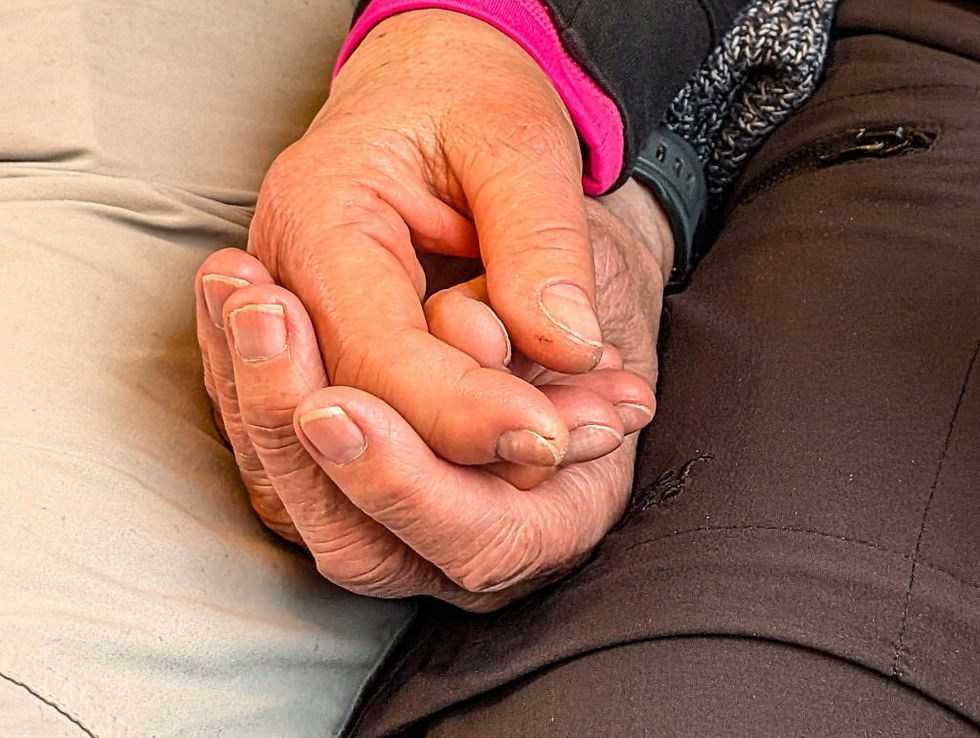
Britons are falling into ill health in their 50s, leading experts have warned
|GETTY
More than 2.8 million people are now economically inactive because of long-term illness, piling pressure on taxpayers and the NHS.
Professor Heneghan, Director of Oxford University's Centre for Evidence-Based Medicine, and researcher Dr Jefferson described the situation as a “crisis” and warned politicians to remain fixated with how long people live rather than how long they stay healthy.
“The pandemic has led many to think of life expectancy as the key metric of national progress,” they wrote. “But healthy life expectancy is the measure that matters. It tells us not just how long we live, but how well; and by that standard, Britain is going backwards.”
The decline has also left Britain lagging behind many comparable nations.
LATEST DEVELOPMENTS
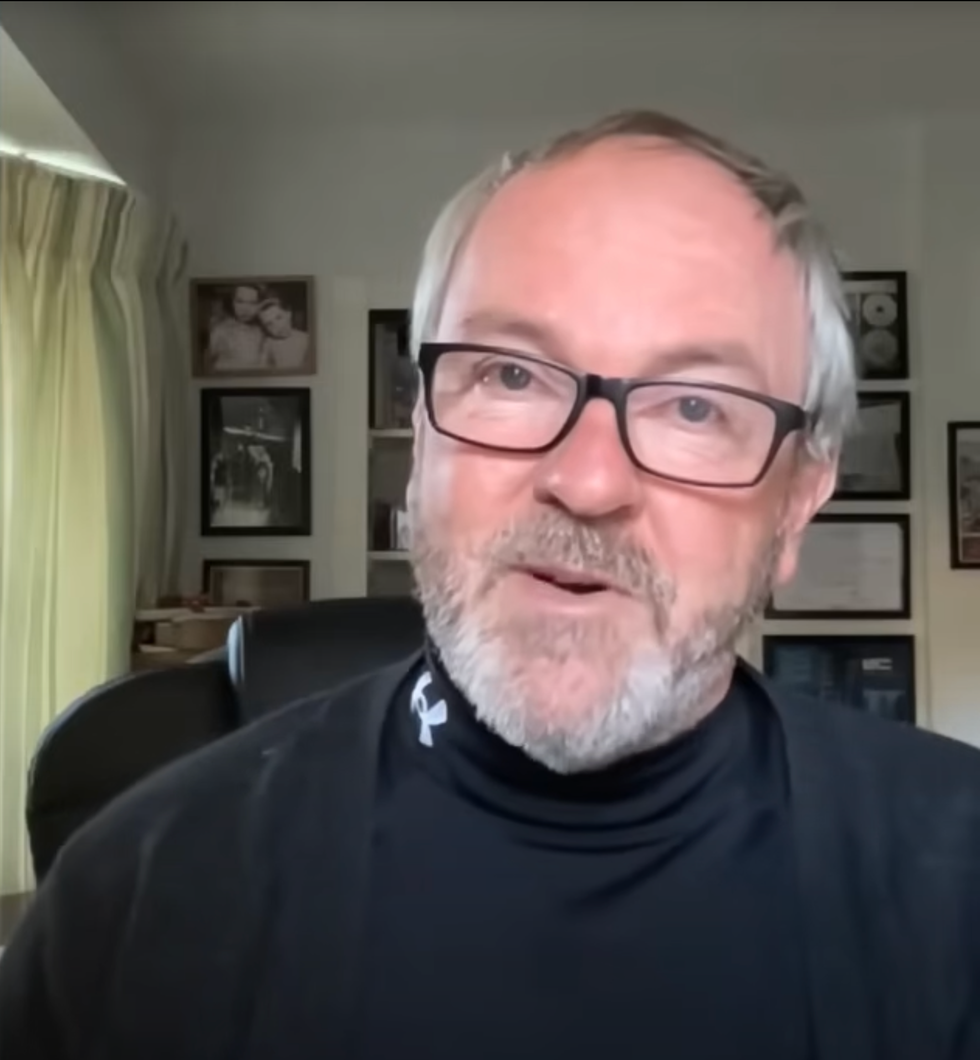 Professor Carl Heneghan is the director of Oxford University’s Centre for Evidence-Based Medicine | GB NEWS
Countries including Japan, Sweden and Switzerland all outperform the UK on healthy life expectancy, with citizens typically remaining healthier for longer into old age.
The experts said the crisis cannot simply be blamed on individual lifestyle choices.
“Of course, the usual explanations are already being rehearsed: obesity, smoking, alcohol, and poor diet,” they wrote. “But this framing risks missing the bigger point: these behaviours do not occur in a vacuum; they are shaped by income, education, environment, and opportunity.”
In one of the report’s most stark conclusions, they added: “Somehow, the UK has managed to build a society that makes ill health the default status.”
The pair said the Covid pandemic – and the impact of lockdowns – accelerated the crisis but did not create it.
“The pandemic, with its lockdowns and detrimental effects, accelerated the trend, but it did not create it,” they wrote. “The underlying issues that include rising chronic disease, widening inequalities, and a failure to focus on prevention were already entrenched.”
Prof Heneghan and Dr Jefferson said governments have repeatedly ignored warnings about the need to focus on the "drivers of ill health".
“We need to be honest: we’ve been saying this for years, and it’s largely been ignored," they said. "The economic fallout is already being felt across the country.
“The economic consequences of ill-health are dire. Among working-age adults, labour market participation is already reducing and increasing pressure on public finances.
"We are, in effect, storing up costs for the future while failing to improve lives in the present.”
The authors said Britain now faces a defining moment over whether it confronts the crisis – or continues to drift.
“The uncomfortable truth is that Britain’s health is coming apart at the seams," they commented. "The question is whether this really is a watershed moment – or just another missed opportunity.”
Our Standards: The GB News Editorial Charter