






Military medics have daringly parachuted onto Britain's most isolated overseas territory to provide urgent healthcare following a suspected Hantavirus infection in a historic first for the UK armed forces.
Personnel from 16 Air Assault Brigade jumped from an RAF A400M aircraft onto Tristan da Cunha, a volcanic archipelago in the South Atlantic with just 221 residents and no runway.
The operation marks the first occasion British military clinicians have been deployed via parachute for humanitarian purposes.
Oxygen reserves on the remote island had reached critical levels, making a parachute drop the only viable method of reaching the patient in time.
The UK Health Security Agency confirmed on Friday a British national on the territory was suspected of having contracted the virus.
Eight personnel made the jump, six paratroopers alongside two military clinicians, all serving with 16 Air Assault Brigade.
Their journey began at RAF Brize Norton, covering 6,788 kilometres to reach Ascension Island before continuing more than 3,000 kilometres further to the target location.
An RAF Voyager provided mid-flight refuelling to keep the A400M transport aircraft airborne across the vast distances involved.
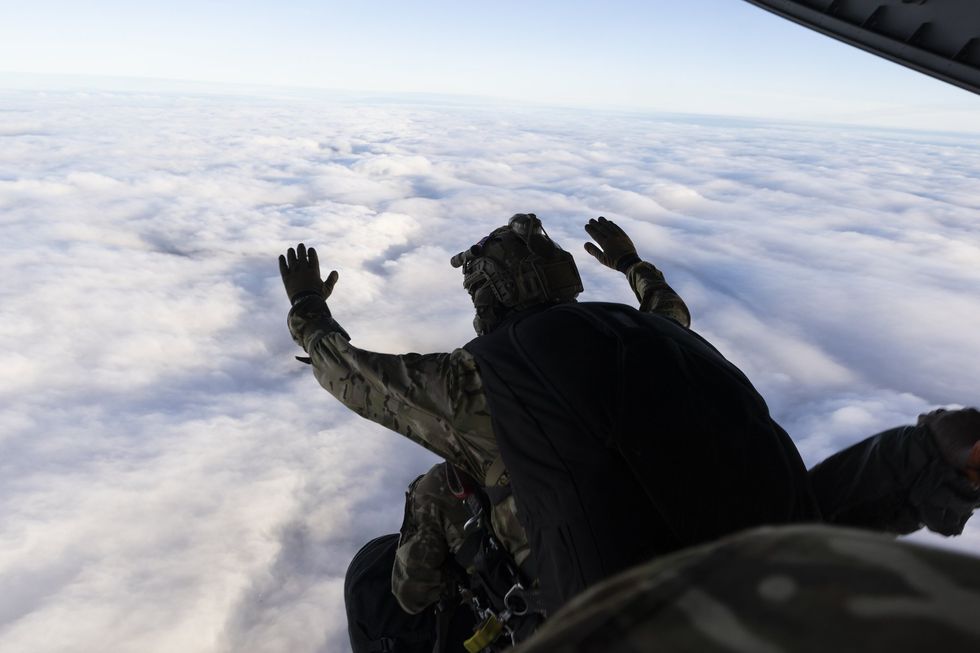
The British armed forces have completed a parachute mission to deliver key aid to Tristan da Cunha
|MOD
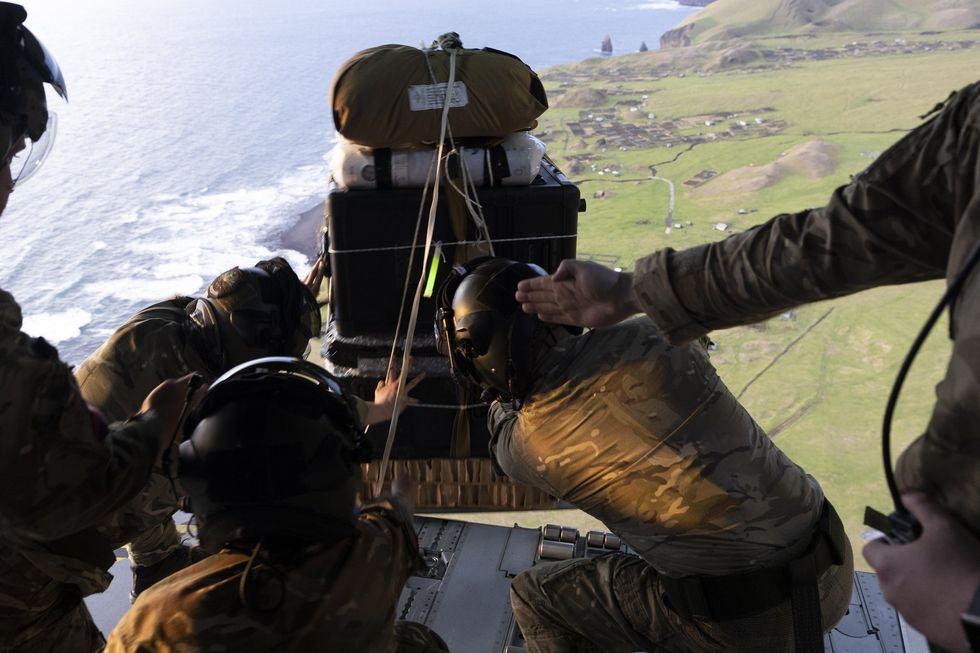
The jump was a historic first for the UK armed forces
|MOD
Simultaneously with the personnel drop, essential oxygen supplies and medical equipment were released onto the island.
The paratroopers faced demanding conditions upon arrival, with Tristan da Cunha's typical wind speeds frequently surpassing 25 miles per hour.
The reinforcements will bolster the territory's existing two-person medical team, strengthening healthcare capacity across the isolated community.
Brigadier Ed Cartwright, commanding 16 Air Assault Brigade, said: "This was a joint effort with the Royal Air Force and highlights the speed, reach and utility of parachuting."
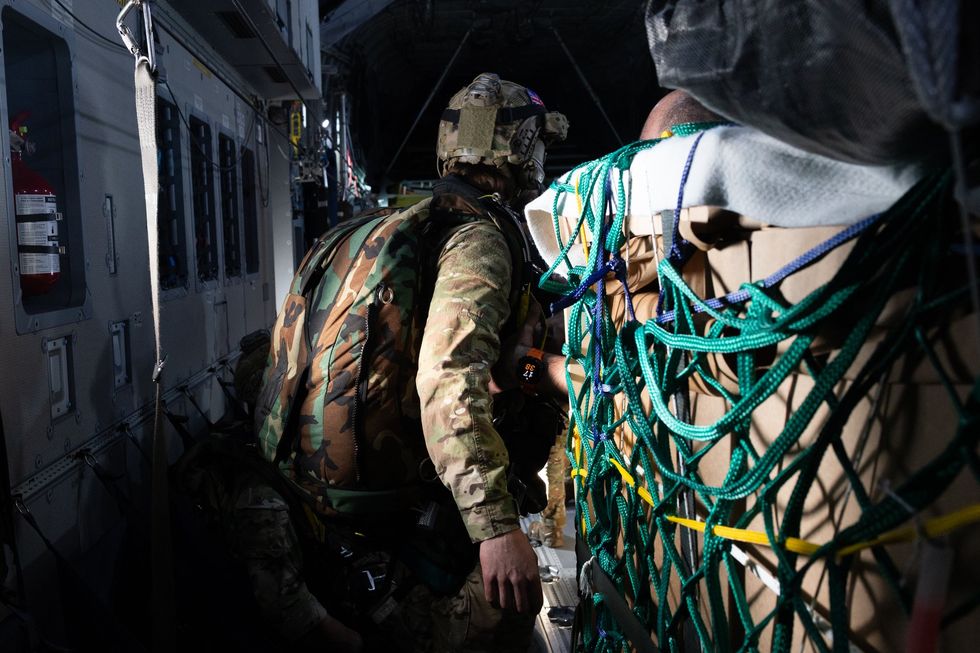
A suspected Hantavirus carrier resides on the island
|MOD
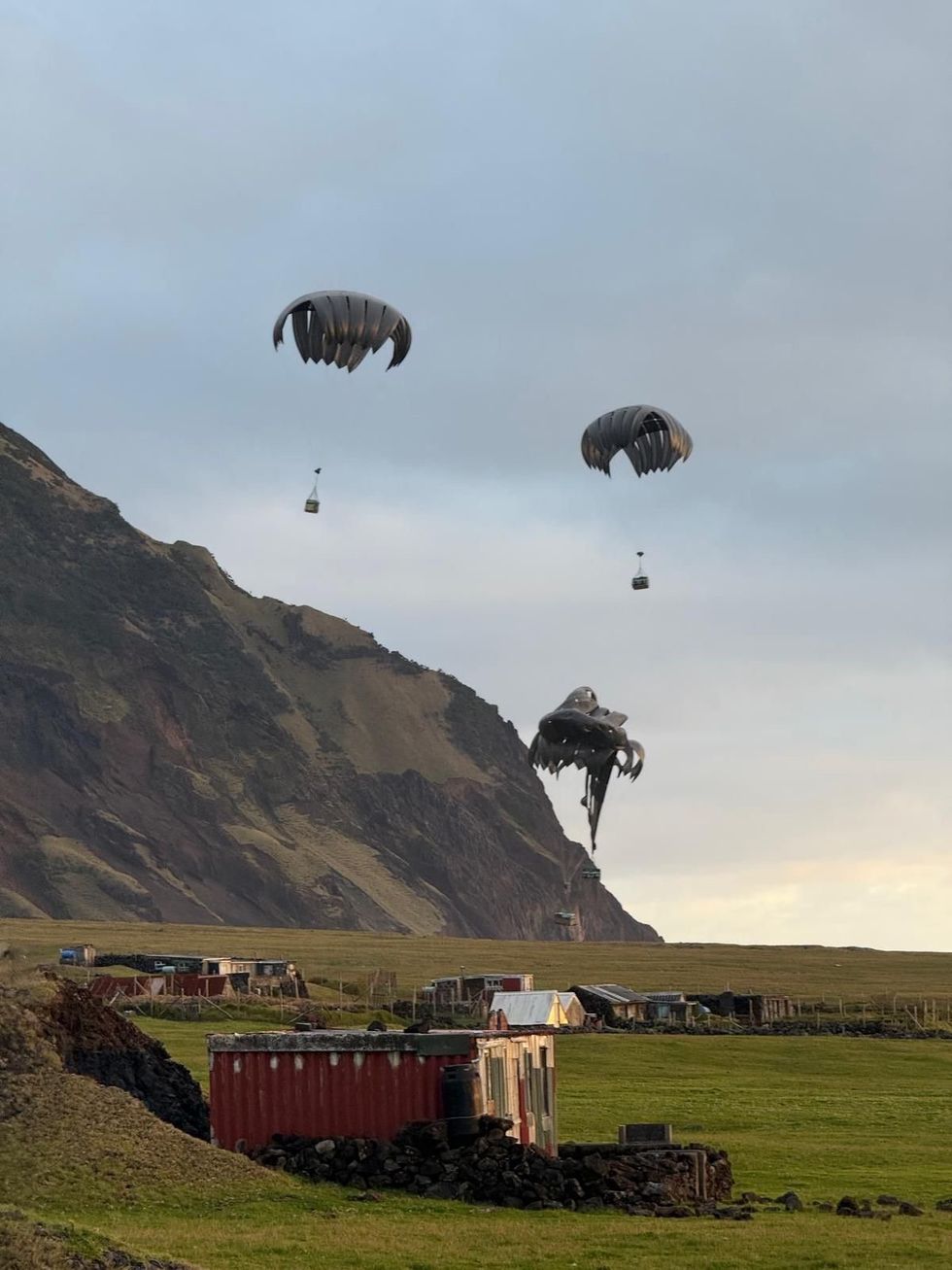
The paratroopers faced wind speeds frequently surpassing 25 miles per hour
|MOD
LATEST DEVELOPMENTS:
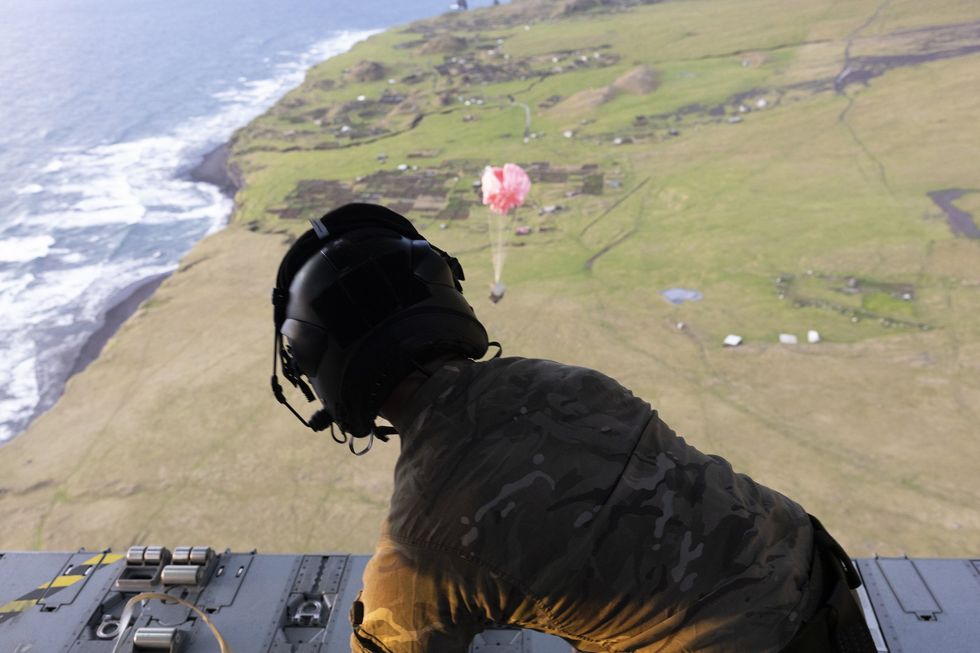
Tristan da Cunha only has 221 residents
|MOD
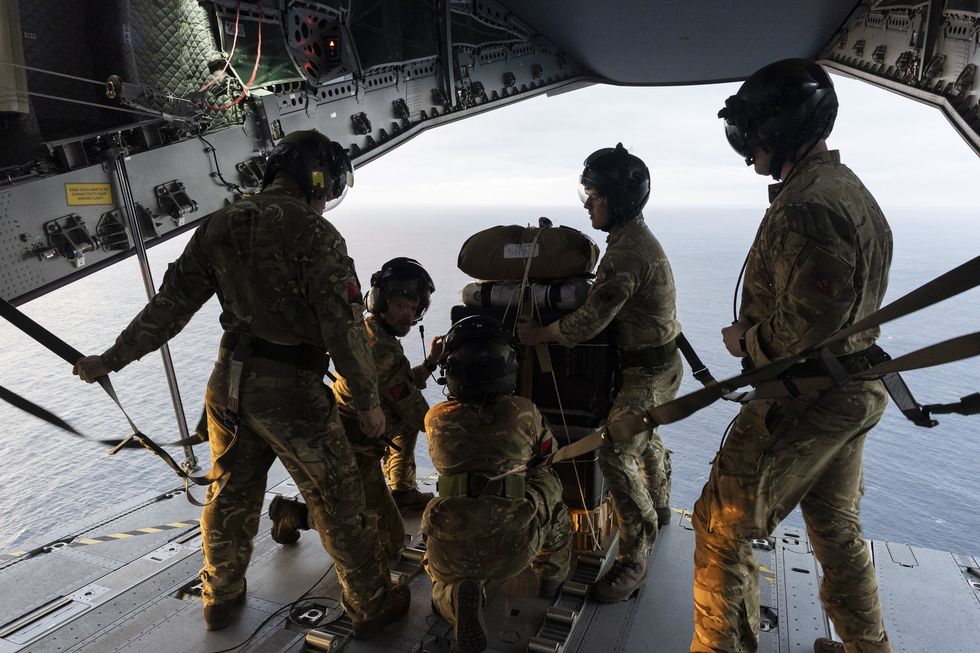
Key aid was delivered in the daring mission
|MOD
Foreign Secretary Yvette Cooper expressed deep gratitude to armed forces personnel who responded swiftly to the emergency.
"This extraordinary operation reflects our unwavering commitment to the people of our Overseas Territories and to British nationals, wherever they are," she said.
"The safety and well-being of all members of the British family is our number one priority."
Ms Cooper confirmed the Government would maintain close coordination with international authorities and the local administration.
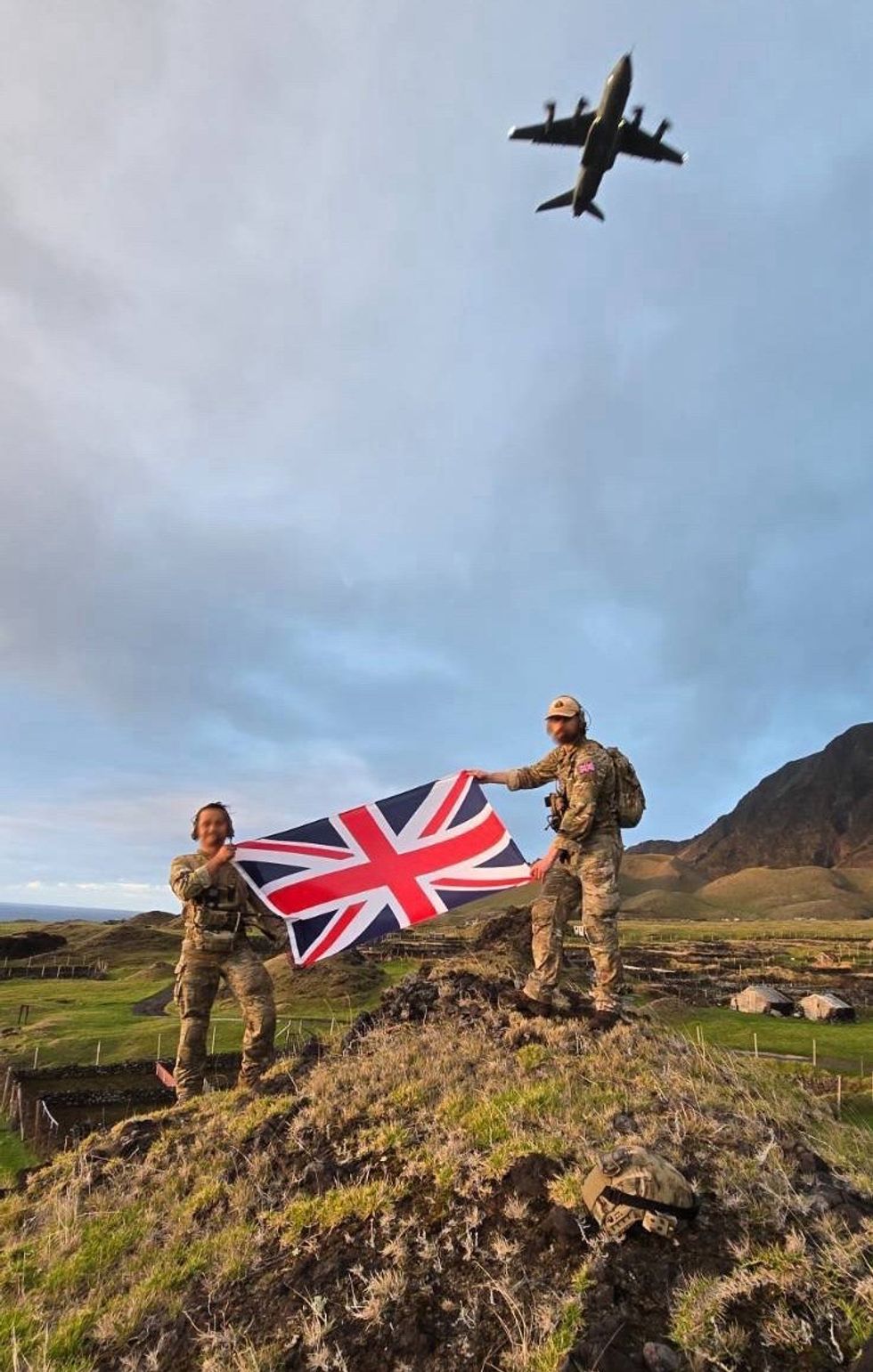
Eight personnel made the jump onto Tristan da Cunha
|MOD
Armed Forces Minister Al Carns described the mission as remarkable given the extreme circumstances involved.
"I want to pay a huge tribute to our brave personnel for carrying out their task with the utmost professionalism and composure under pressure," he said.
Mr Carns emphasised the cross-departmental nature of the response, highlighting the government's determination to support overseas territories affected by the Hantavirus outbreak.
The mission forms part of the wider Government response to the Hantavirus outbreak linked to the MV Hondius cruise ship.
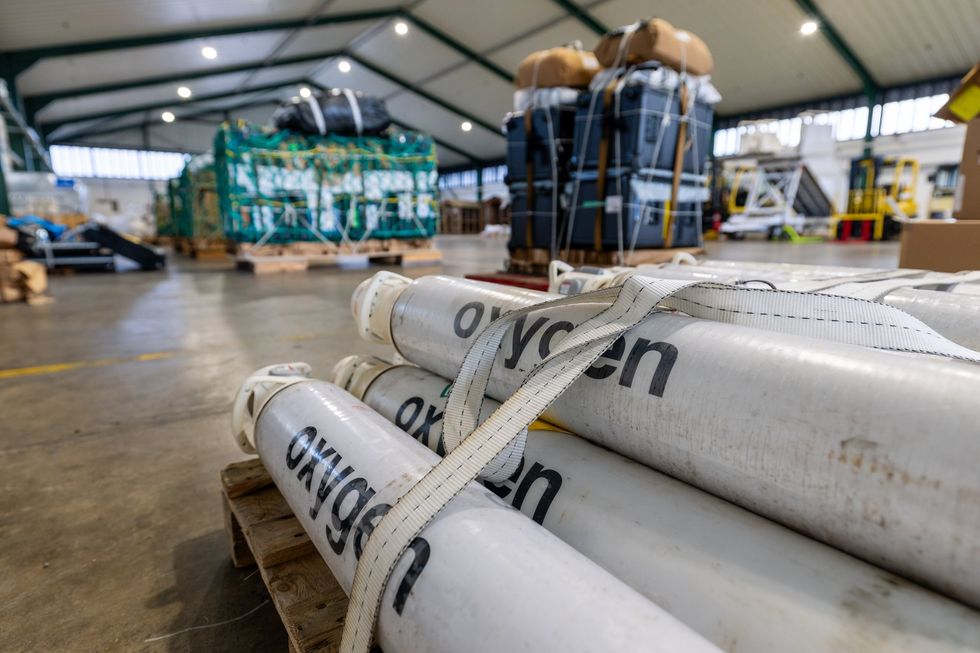
Essential oxygen supplies and medical equipment were also released onto the island
|MOD
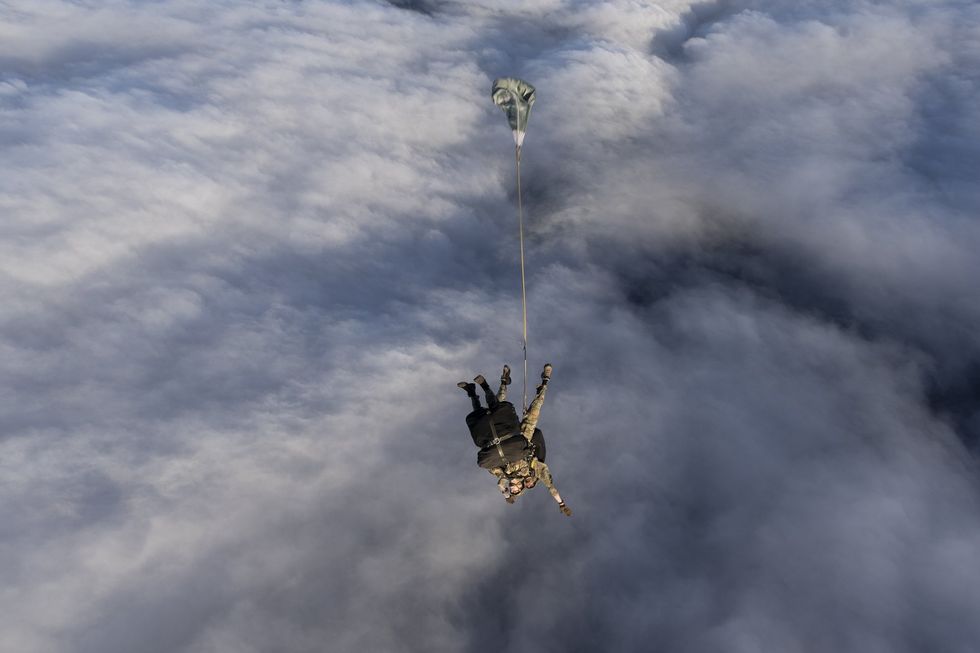
The reinforcements will bolster the territory's existing two-person medical team
|MOD
British nationals aboard the vessel are being brought home on a specially chartered flight, though none of those returning have displayed symptoms.
Upon arrival in the UK, all British passengers and crew from the ship face a 45-day isolation period under close monitoring by the UK Health Security Agency, with testing conducted as necessary.
Authorities are tracing individuals who may have had contact with confirmed cases and have since travelled to the UK or other overseas territories.
Officials have stressed that the risk to the general public remains very low.