







Dozens of Britons stranded aboard the cruise ship at the centre of a deadly hantavirus outbreak could be flown back to the UK on Sunday under a major Government evacuation plan.
Officials are preparing to meet the MV Hondius when it docks in Tenerife, with passengers facing health checks, virus testing and strict quarantine rules before being allowed home.
The vessel - which has been battling an outbreak linked to Hantavirus - is currently sailing from waters off Cape Verde towards the Canary Islands.
Around 22 British passengers and crew are expected to still be onboard when the ship arrives on Sunday.
Under plans being drawn up by the UK Health Security Agency and the Foreign Office, Britons will be tested for hantavirus before disembarking.
Passengers who test negative and show no symptoms are expected to be taken directly to a dedicated repatriation flight back to the UK the same day.
The aircraft will reportedly be staffed by medical professionals and stocked with oxygen, medicines, virus testing kits and specialist medical equipment in case passengers become ill during the journey.
Britons returning home will then face 45 days of self-isolation and monitoring, with further testing at the end of the quarantine period. They will not be allowed to use public transport after landing in the UK.
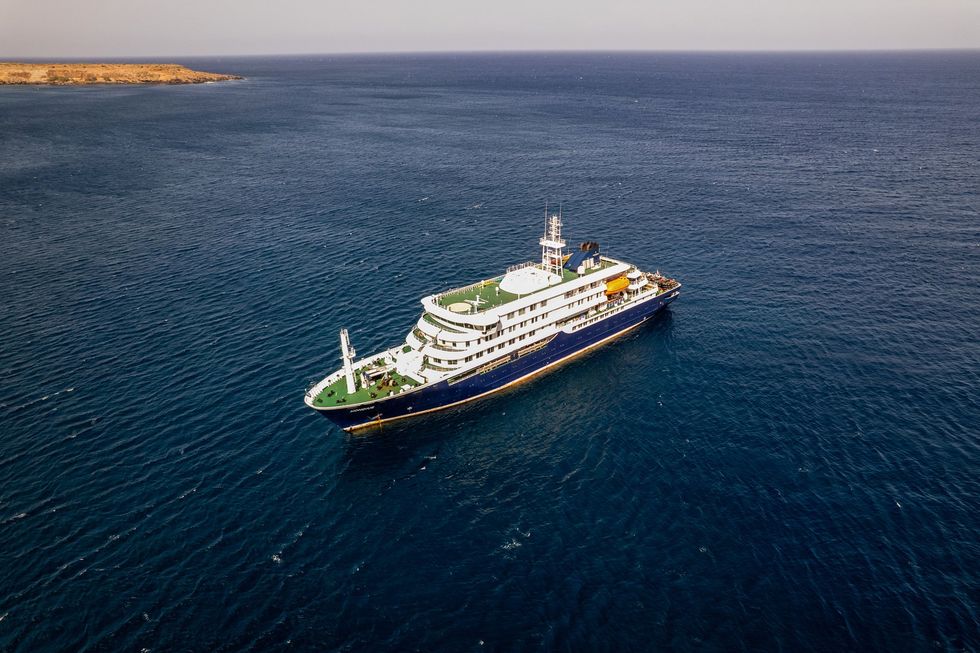 The outbreak occurred on board MV Hondius | GETTY
The Foreign Office said 30 passengers and crew linked to the ship are British nationals, although only 22 are believed to remain onboard.
Seven Britons previously left the vessel in St Helena while another British passenger with suspected hantavirus was taken off the ship on the remote South Atlantic island of Tristan da Cunha.
Two Britons who disembarked earlier in Saint Helena have already returned to the UK and are self-isolating despite showing no symptoms.
Health officials are now tracing contacts linked to all British nationals who left the ship.
LATEST DEVELOPMENTS
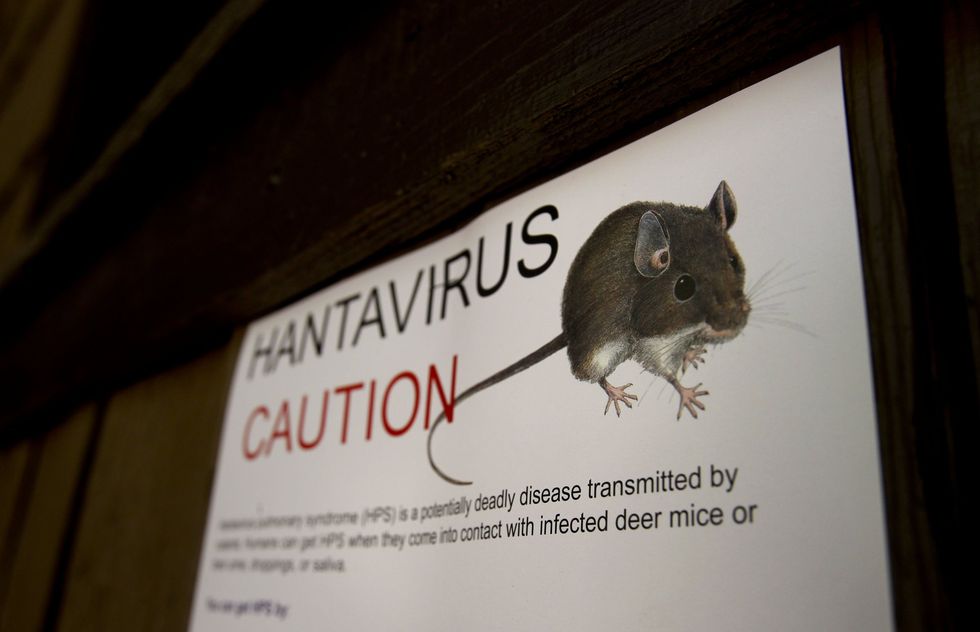 The outbreak's origins remain unclear | GETTY
The outbreak has so far been linked to nine cases of hantavirus, including two British men and another suspected British case.
Five of those cases have been laboratory confirmed, while four remain suspected.
Three people have died in connection with the outbreak.
One of the most shocking incidents involved a Dutch passenger’s 69-year-old wife, who collapsed at an airport in South Africa while accompanying her husband’s body back to the Netherlands. She later died in hospital.
A German passenger also died onboard the vessel on May 2, with their body still understood to remain on the ship.
A 69-year-old British man who tested positive for hantavirus remains in intensive care at a private hospital in Sandton, Johanesburg although officials say he is improving.
Another Briton, 56-year-old Martin Anstee, was flown to the Netherlands for specialist treatment and is also said to be recovering.
The World Health Organisation said morale onboard has improved since the ship began heading towards Tenerife.
Two doctors are onboard alongside infectious disease experts from the WHO and the European Centre for Disease Prevention and Control, who are carrying out medical assessments of passengers and crew.
Experts believe the outbreak is linked to the Andes strain of hantavirus - a rare but dangerous variant associated with fatality rates of up to 40 per cent.
The strain is believed to have originated during a birdwatching trip in Argentina taken by two passengers before they boarded the ship on April 1.
While the WHO says the wider public risk remains low, officials warn more cases could still emerge because the incubation period for the virus can last up to six weeks.
Professor Sir Andrew Pollard, director of the Pandemic Sciences Institute at the University of Oxford, said: “I believe the UKHSA, Foreign Office and NHS are taking all the right and necessary measures to protect the UK citizens involved in this challenging incident and to protect the broader UK population.”
He added: “Repatriation and isolation is the right thing to do, morally and scientifically.”