






One in five local councils have banned shouting or swearing in public, sparking fears of yet another free speech crackdown in Britain.
Research by the Campaign for Freedom in Everyday Life found that out of nearly 300 councils, 61 had introduced bans, a fourfold increase on the 16 that had in 2022.
The restrictions are imposed through the public spaces protection orders (PSPOs), which are designed to tackle antisocial behaviour with fines of up to £1,000 for breaches.
However, free speech campaigners have warned the powers leave too much discretion to local officials.
Josie Appleton, who serves as director of the Campaign for Freedom in Everyday Life, told The Telegraph: "It is incredible that you could now be handed a fine for swearing in the street, shouting across a road, or staring at someone.
"Council officers have been given the power to criminalise behaviour that has never before been a matter for the law.
"This isn’t tackling antisocial behaviour, it is policing ordinary human expression, controlling the words we can use and the gestures we can make."
The campaign is calling for PSPOs to be approved through the full council and subject to scrutiny from councillors, with an appeals mechanism other than via the High Court, which often leads to high legal fees.
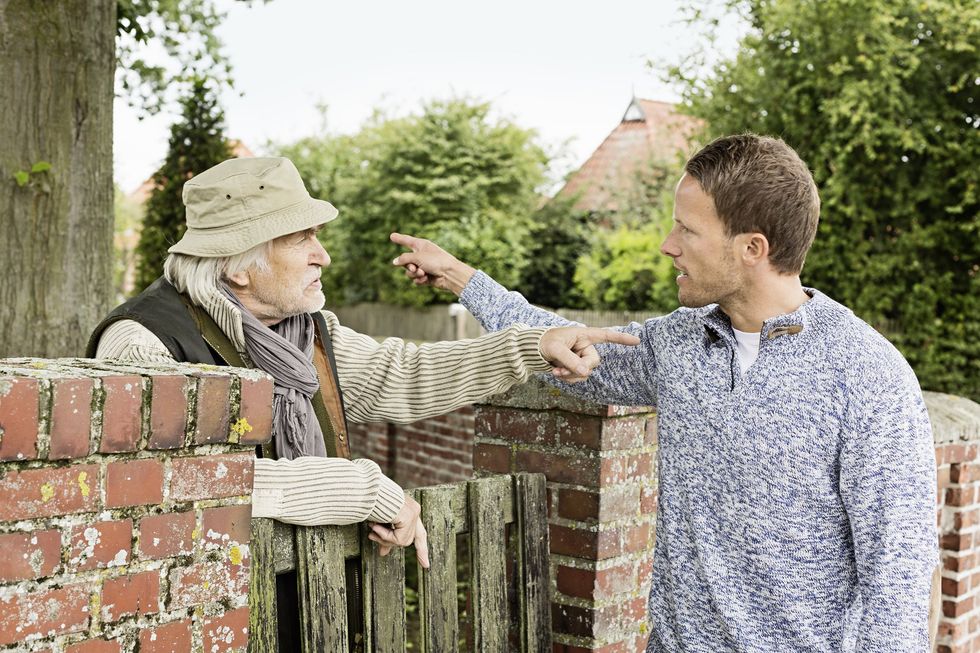
The PSPOs have proved controversial among free speech campaigners
|GETTY
The study also found the councils were criminalising "everyday behaviour".
Gosport Borough Council has banned sitting or loitering "in a manner causing or likely to cause harassment, alarm, distress, nuisance or annoyance to any person".
A similar ban on "loitering for the purposes of hair braiding or applying henna tattoos" was introduced by Cornwall Council in the tourist hotspot of St Ives, which was withdrawn after an outcry.
Guildford Borough Council also prohibits "intentionally shouting or screaming".
Meanwhile, 13 councils have banned feeding birds.
LATEST DEVELOPMENTS
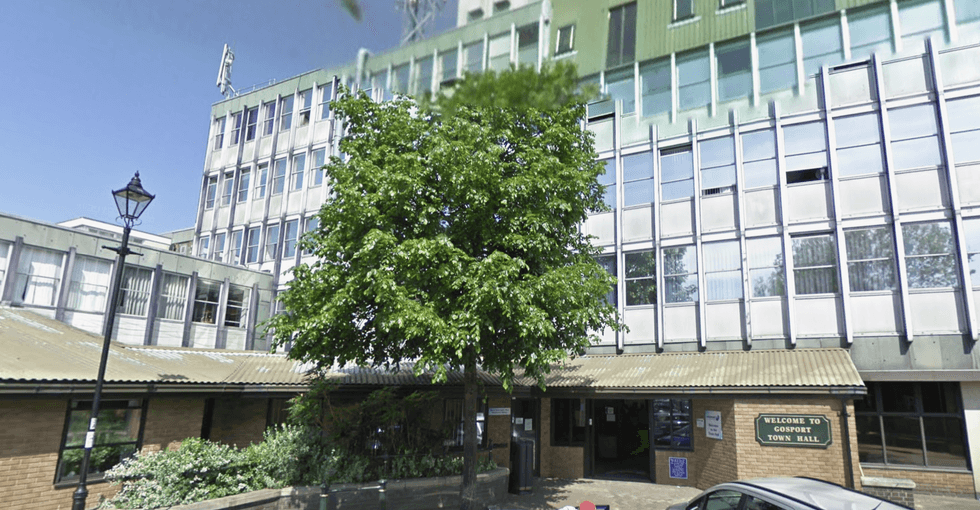
Gosport Borough Council has banned sitting or loitering 'in a manner causing or likely to cause harassment'
|GOOGLE MAPS
Big Brother Watch spokeswoman Maya Thomas said: "While criminalising swearing and rude language might make streets 'feel' safe, it does nothing to ensure that they genuinely are.
"The freedom to express yourself politely, rudely, quietly or loudly is a key part of living in a democracy – as is learning to ignore speech that you find offensive or unpleasant."
"This Orwellian use of PSPOs is entirely disproportionate to the 'harms' caused by legal but unpleasant speech.
"Rather than forcing the police to chase after cheeky teenagers or peaceful protestors, councils should support officers keeping public spaces safe in ways that are actually effective."
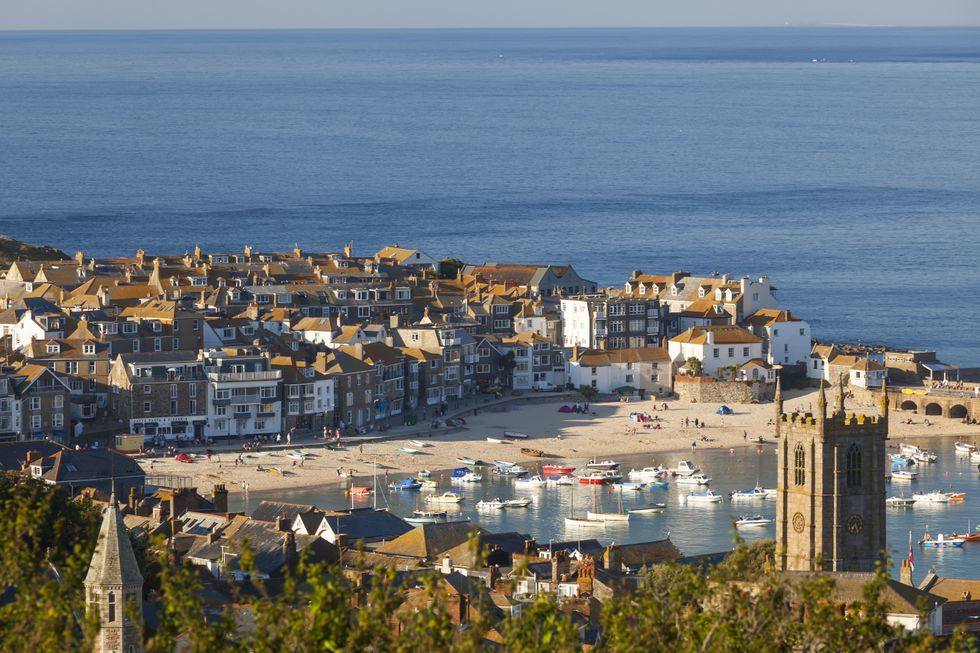
Henna paintings have been banned in the hotspot of St Ives
| GETTYKent now includes a number of local authorities which have rolled out so-called swearing bans.
First introduced in Thanet in 2018, similar orders exist in Canterbury and Dartford.
However, some councillors have lashed out at the suggestion they have banned swearing, labelling reports a "mountain of nonsense".
Labour councillor Heather Keen said: "The importance of the PSPO, which has seven behaviours identified, has been overshadowed by the portrayal that Thanet is banning swearing.
"This is a disingenuous, inaccurate headline designed to grab attention. Let me be clear, Thanet is not banning swearing or preventing free speech.
"The reference to foul and abusive language only applies if it is causing harassment, alarm or distress to another person, not if it is casual swearing."
A spokesman from Local Government Association said: "Councils need effective powers to tackle anti-social behaviour that can have a serious impact on people's quality of life and on local town centres, parks and high streets.
"PSPOs are one of a number of tools available and councils are required to use them proportionately, with oversight from democratically elected councillors and consultation with police and communities."