











Jane James, 65, and her 97-year-old mother Rita Stewart endured what Mrs James described as "18 months of hell" after selling Ms Stewart's property in 2022.
The £76,000 proceeds helped purchase a home for Ms Stewart's grandson and his young family.
Following a stroke, Ms Stewart entered care, prompting Pembrokeshire council to accuse the family of deliberately hiding assets.
The council treated Ms Stewart as though she retained the sale money, pushing her above Wales's £50,000 threshold for council support.

Rita Stewart was slapped with a bill of £23,000
|GETTY
Backdated invoices arrived demanding £23,000 within a fortnight. "I was so frightened, it was horrendous, I was in tears," Mrs James told The Times. The bill eventually reached nearly £30,000.
An independent review ultimately cleared the family, finding the council failed to prove deliberate deprivation and had not treated the women with appropriate dignity.
David Steene, from Steene Law Solicitors, acknowledged the complexity of these disputes. "Care fees are going up, meaning more people want to escape them. Property prices are going up, and the local authorities are thinking if mum and dad have passed on a half-million-pound property to their kids, why should [ratepayers] fund the care? I would love to say there is a goodie or baddie, but people are deliberately depriving and some councils are making kneejerk reactions without asking the right questions."
Clare English from Martin Searle law firm noted that most families simply return the money rather than contest council decisions.
LATEST DEVELOPMENTS
The Local Government Association stated that under the Care Act 2014, councils must challenge cases where people have deliberately reduced assets to avoid charges. The body added that the adult social care sector remains in "desperate need of reform and sustainable investment."
Local authorities across Britain have pursued more than 1,000 families over the past three years on suspicion of transferring money or property to relatives to dodge care home costs.
Freedom of information requests reveal a significant uptick in council investigations targeting care home residents who made substantial gifts to family members before requiring support.
Some councils have gone beyond the residents themselves, chasing relatives and friends to recover funds. One case saw a family dragged through the courts to compel the sale of a property that had been signed over.
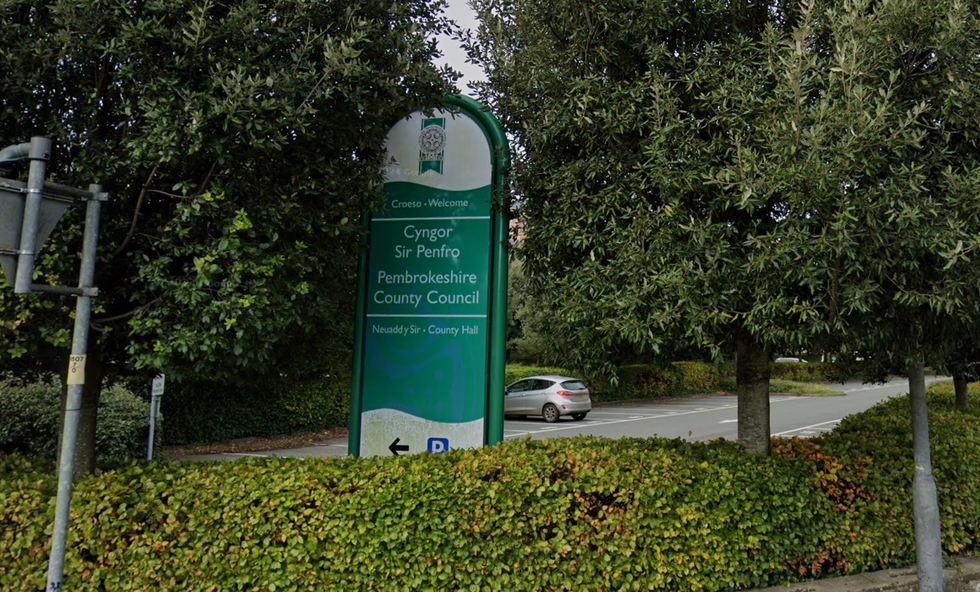
Pembrokeshire County Council's caused a great deal of stress
|GOOGLE MAPS
Those in England with total assets and savings under £23,500 qualify for partial or full council funding of care fees. Scottish and Welsh thresholds sit higher at £35,000 and £50,000 respectively.
Data from 39 councils responding to freedom of information requests showed deliberate deprivation claims jumped to 338 in 2024-25, up from 275 the previous year.
Oxfordshire county council uncovered £2.6 million deliberately hidden by 39 individuals since 2022. Lancashire recorded the highest caseload with 233 investigations since 2021, though the total value remains unknown.
Dorset authorities identified 133 cases over the same period, with assets potentially reaching £5 million. This figure excluded property transfers, suggesting the true amount could be substantially greater.
Weekly care home costs have climbed by a fifth over three years, now averaging £1,278 according to healthcare analyst LaingBuisson.
Individuals with savings below £14,250 face no requirement to contribute towards their care.
Councils face an £8 billion funding shortfall by 2028-29, with 29 authorities already unable to meet their financial obligations. Woking, Croydon, Birmingham and Thurrock have all declared effective bankruptcy.
Annual council spending on social care reached £32 billion last year, a dramatic increase from £4.6 billion in 2010-11.
Care Concern Solutions, which advises on adult social care disputes, said: "Councils are definitely looking at people's financial details with closer scrutiny … They are sifting through bank statements more than before, and they are also going back further than ever before too, because there is no time limit."
Jade Gani from the Association of Lifetime Lawyers observed that councils have grown more adept at identifying potential asset deprivation, with successful claims encouraging further investigations.
More From GB News