








The Church of England is set to debate how to reduce its carbon footprint with flowers as part of its efforts to hit net zero targets.
Proposals will be discussed to minimise the environmental impact of wedding decorations and wreaths, including banning the import of flowers and discontinuing the use of floral foam containing microplastics.
Officials hope they will enable the Church to "use the beauty in creation to glorify God without harming creation along the way" and achieve its net zero emissions target by the end of the decade.
Plans will be formally allotted time at the Church of England's legislative body, General Synod, next month.
They are being pushed forward by the Bishop of Dudley, the Rt Rev Martin Gorick.
The bishop suggested churches could work alongside local growers and farmers' markets to have a "smaller carbon footprint".
The bishop, who is a patron of the Sustainable Church Flowers campaign group, said: "Flowers have long held a cherished place in church life. From adorning altars to celebrating weddings and marking seasonal festivals, floral arrangements bring beauty, symbolism, and a sense of reverence to sacred spaces.
"Yet, behind their elegance lies an often-overlooked reality: traditional floristry can carry significant environmental costs.
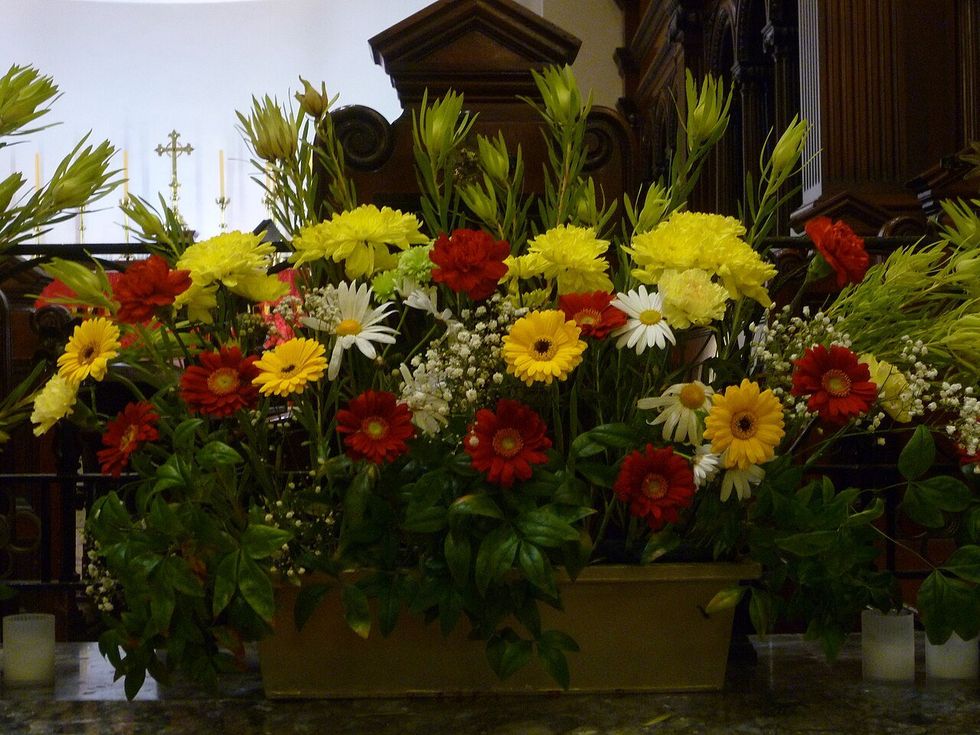
The bishop suggested churches could work alongside local growers and farmers' markets
|WIKIMEDIACOMMONS
LATEST DEVELOPMENTS
"Imported blooms, single-use plastics, chemical preservatives and non-compostable floral foam all contribute to waste and carbon emissions.
"As awareness of ecological responsibility grows, many congregations are asking an important question: how can we honour tradition while caring for creation?"
Synod first suggested the issue of sustainable flowers in 2022, surrounding calls to ban non-biodegradable floral foam.
Floral foam is incredibly hard to dispose of, with microparticles of green dust released when handling it.
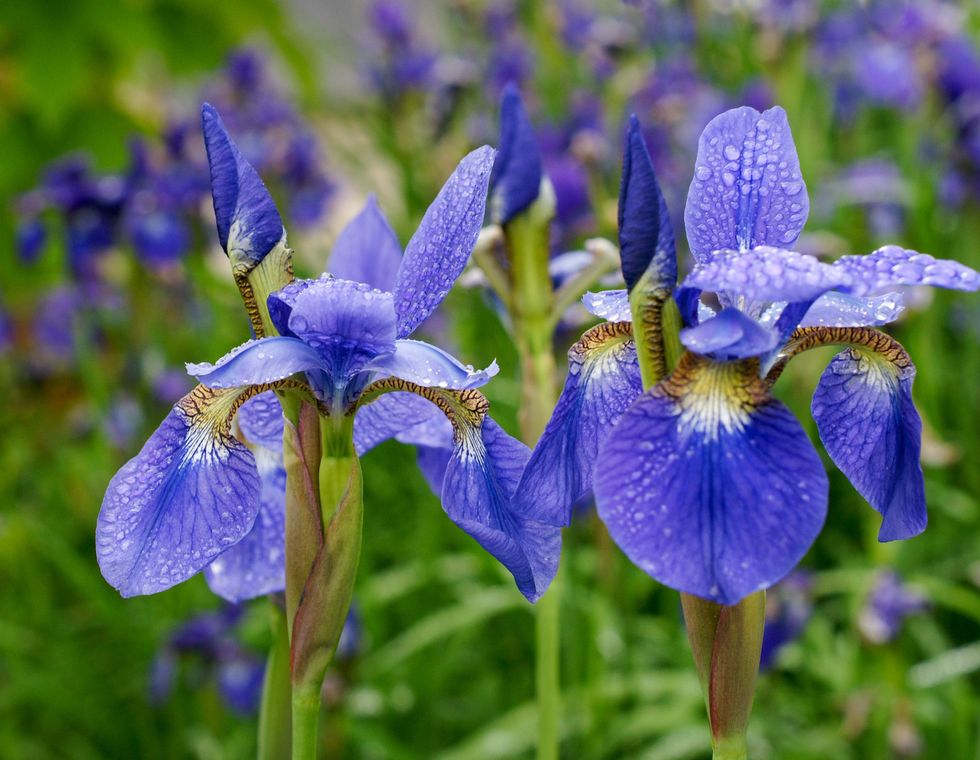
The bishop proposed only using flowers grown in the UK
| GETTYIt has a lifespan of up to 500 years and damages marine and wildlife.
In 2021, the Royal Horticultural Society officially prohibited all plastic floral foam at its shows and events to promote sustainability.
The Bishop of Dudley continued: "This is about making choices that respect the environment, support local communities and reduce harm.
"For churches, this means rethinking how flowers are sourced, arranged and disposed of. Instead of relying on flowers flown in from thousands of miles away, sustainable practices prioritise locally grown, seasonal blooms.

The proposals for the crackdown on flowers will be formally allotted time at the Church of England's legislative body
| PA"These not only reduce carbon footprints but also celebrate the natural rhythms of the region - bringing authenticity and a deeper connection to God's creation into worship spaces."
Jo Chamberlain, the Church of England's national environment officer, added: "Churches can develop new relationships with local florists and learn new skills for creating floral displays over time, while reducing pollution and lowering the carbon footprint of their floral displays.
"That way, we can use the beauty in creation to glorify God without harming creation along the way. Church flowers are an expression of our worship and an important part of our welcome to people in our churches.
"Like all our worship and welcome, we would expect them to be in line with our faith and how it is worked out in practice. This Synod has already made the connection between faith and creation care by endorsing several previous motions about the environment.
"This motion makes explicit the link between creation care and the church's practice when it comes to church flowers."
Our Standards: The GB News Editorial Charter