











A huge steel structure resembling a wall has emerged alongside one of Cardiff's busiest roads, marking visible progress on a major flood defence initiative in the Rover Way area.
The imposing metal framework, which will eventually be driven deep into the ground as piling, forms part of an ambitious £35million scheme designed to shield more than 1,100 homes from flood damage.
First unveiled in 2021, the project targets the Rover Way foreshore and River Rhymney banks, where existing defences have deteriorated significantly.
Beyond residential properties, the scheme will also safeguard the Rover Way Traveller site from increasingly severe flood risks.
The Welsh Government is providing the bulk of the funding for what represents one of Cardiff's most significant coastal protection investments.
The comprehensive defence system incorporates multiple protective elements along the coastline and riverbanks.
Engineers plan to deposit 100,000 tonnes of rock along the shore while simultaneously elevating the riverbank behind it.
Highway embankments will also be raised as part of the integrated approach to flood management.
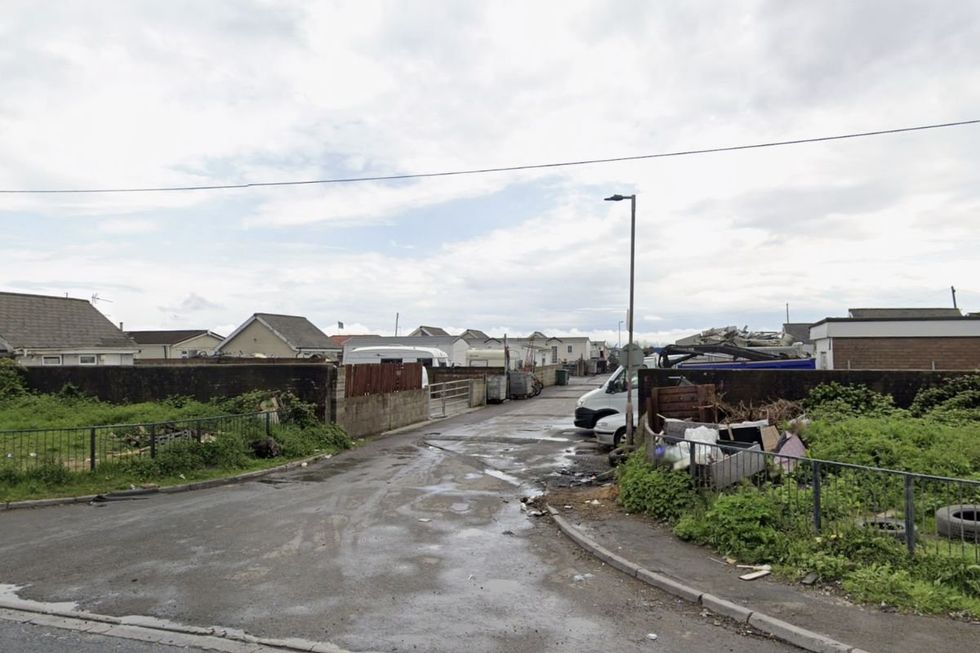
The scheme will also safeguard the Rover Way Traveller site from increasingly severe flood risks
|GOOGLE STREET VIEW
A 150,000-ton rock barrier will be constructed to combat coastal erosion and protect against high tides.
Additional sheet piling is planned for the Lamby Way roundabout, with rock protection measures also being installed at Lamby Way Bridge.
Earth embankments throughout the area will be maintained as part of the ongoing defence strategy.
The steel sheeting visible on Rover Way will ultimately be driven 12 metres down into the river's bedrock to secure the riverbank structure.
LATEST DEVELOPMENTS
Cardiff Council has stated that coastal flooding poses an "increasingly significant risk as sea levels rise and extreme weather events become more frequent", necessitating urgent action on the Rover Way foreshore.
The authority has confirmed that current flood defences in the area are in poor condition, with only a short-to-medium-term lifespan remaining.
Upon completion, the scheme will manage flood risk for 1,116 residential properties and 72 commercial premises, in addition to the traveller site.
The council has specified that the defences should protect these locations against a one-in-200-year severe weather event.
Officials anticipate the coastal defence infrastructure will effectively manage flood risk in the area for the next century.
The project has also been designed to minimise disruption to local wildlife while enhancing the Wales Coastal Path walking route.
When the scheme was initially proposed, Councillor Michael Michael, then cabinet member for environment, emphasised the severity of the threat facing the Welsh capital.
"The greatest risk to Cardiff right now is flooding and rising sea levels caused by climate change," he said.
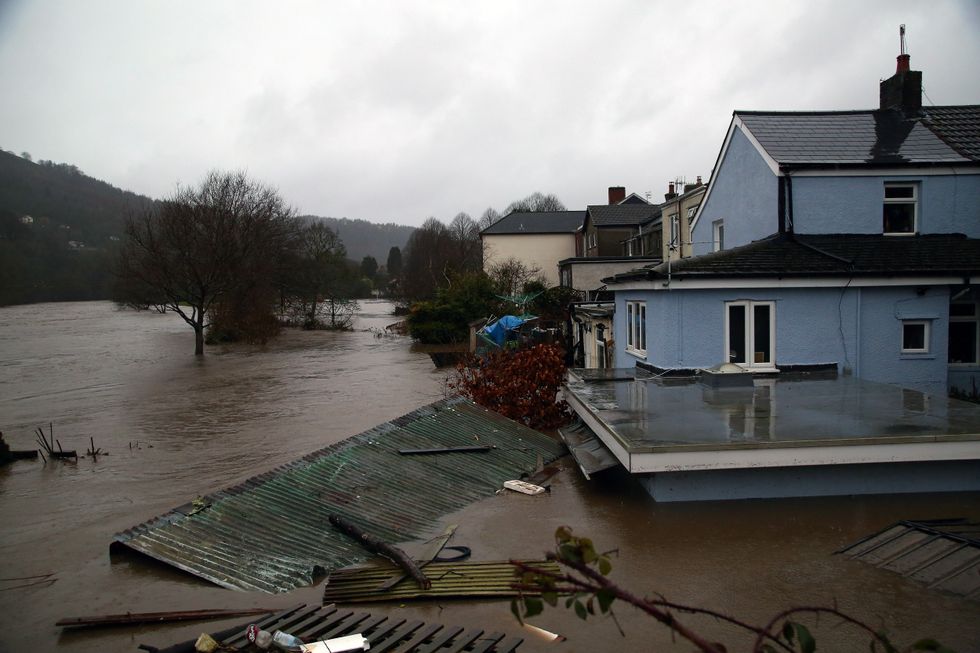
Cardiff suffered from flooding in 2020
|GETTY
"Our flood defences along the foreshore by Rover Way are in a poor condition and only have a short-to-medium-term lifespan so it's really important that action is taken now to safeguard this part of the city."
The councillor explained that steel sheeting would need to be drilled 12 metres into the river's bedrock to maintain the riverbank's structural integrity.
Once the raised embankment is complete, the coastal path will be rebuilt on top, ensuring continued public access along the river foreshore.