






New polling has suggested Britons over the age of 50 believe society regards them as "old has-beens" the moment they reach 56 years of age.
The survey, which questioned 2,000 people aged 50 and above, found that nearly half, 43 per cent, feel they become progressively invisible as the years pass, sensing that others lose interest in engaging with them.
Workplace discrimination also emerged as a significant concern, with more than one in 10 respondents (12 per cent), reporting they had been overlooked for career advancement or rejected from positions entirely because of their age.
Travel insurance company Staysure commissioned the study as part of its Dream Big initiative, designed to encourage those in their 50s and beyond to embrace bold living.
TRENDING
Stories
Videos
Your Say
Respondents identified several everyday situations where they felt particularly overlooked, including while shopping, during encounters with customer service staff and when attending medical appointments.
Yet the findings paint a far more positive picture of how older Britons actually view themselves.
More than half of those surveyed, 54 per cent, described themselves as being in excellent physical condition.
An even larger proportion, 76 per cent, expressed the belief that wisdom and personal growth come with advancing years.
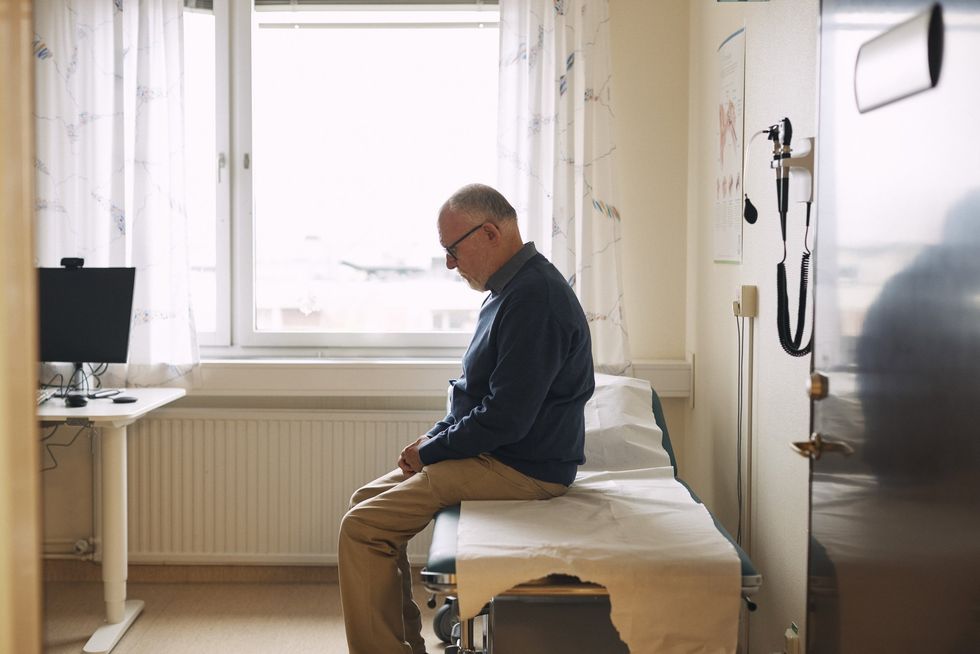
The data revealed Britons feel 'neglected'
|GETTY
The research also revealed that 53 per cent of respondents felt entirely free to behave, dress and live however they choose.
A separate poll of 1,000 adults across all age groups found that 66 per cent perceived older generations as being set in their ways and resistant to new experiences.
David Morley, from Staysure, said: "The outdated view of people over 50 simply doesn't reflect reality - our research shows they are tired of being dismissed or labelled as 'has-beens'.
"Ageism has become socially acceptable, creating unfair stereotypes and limitations.
"In truth, over 50s are in the prime of their lives travelling with confidence, making memories and leading full, positive lives."
LATEST DEVELOPMENTS
- Inside the 'heartbreaking' mental health crisis engulfing Britain's elderly as Labour accused of turning its back on pensioners fighting to 'survive'
- Fears desperate farmers could ABANDON food-production and turn land into mass solar farms
- Travellers launch bid for 'destructive' caravan site on 'sacred grounds' of Grade-II listed church
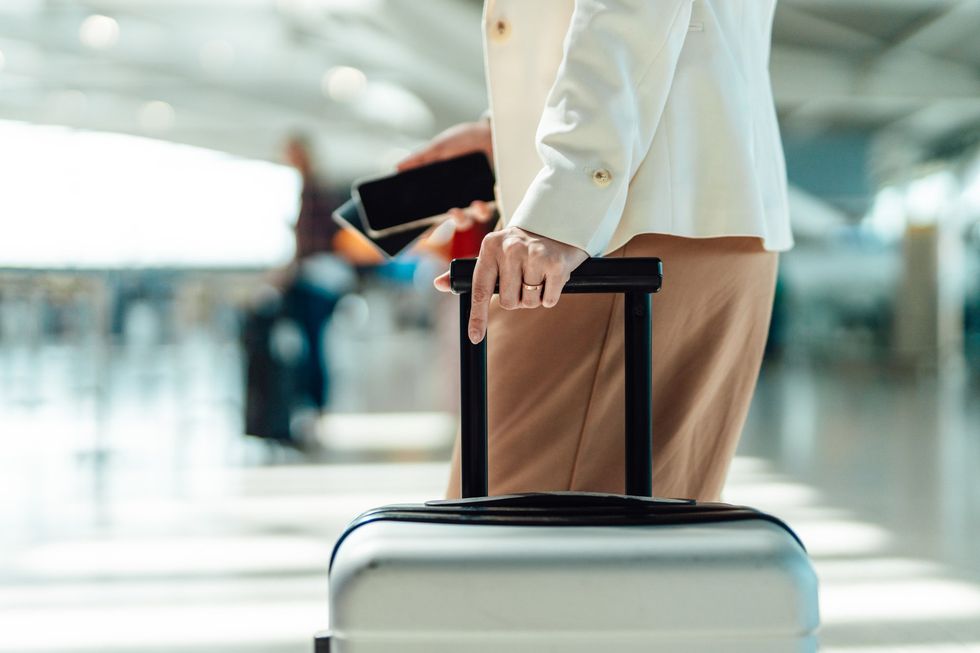
Britons have increased their holiday time according to the data
|GETTY
The data suggests this generation is far from slowing down.
Since passing the half-century milestone, 34 per cent have increased their travel frequency or embarked on extended trips abroad.
Meanwhile, 23 per cent have actively worked to enhance their digital capabilities and technological know-how.
Younger respondents held some unflattering views, with 18 per cent believing older people fail to grasp memes and online culture, while eight per cent considered them unadventurous.

Young people believe almost one in five older people fail to grasp memes
|GETTY
Mariella Frostrup, who has partnered with Staysure on the campaign, said: "The image of what life looks like after 50 is a misconception that needs to change.
"It's sad to see from the research that Britons feel treated as 'has-beens' from the age of just 56, from being overlooked in the workplace to feeling invisible in society.
"We're not just playing bingo or asleep by 8pm, in fact, we're thriving more than ever before and have more of a zest for life than other generations."
The statistics challenge assumptions about adventurousness across generations.
When asked about safari or wildlife expeditions, 28 per cent of those aged 55 to 64 expressed interest, compared with just 17 per cent of 18 to 24-year-olds.
The OnePoll survey also found that 19 per cent of older respondents remain enthusiastic about long-haul destinations, while 15 per cent would happily embark on solo adventures.
More From GB News