









Britain has dispatched six F-35B stealth fighters from RAF Marham to its sovereign base at RAF Akrotiri in Cyprus, amid growing fears of conflict between the US and Iran.
The aircrafts departed on Friday to protect the installation and the surrounding British territories in the event of regional tensions escalating.
The newly arrived jets will operate alongside Typhoon fighters already present in Cyprus, which conduct ongoing sorties over Iraq and Syria as part of Operation Shader targeting Islamic State remnants.
Last month, four Typhoons from the joint UK-Qatar No 12 Squadron were sent to Qatar following a request from Doha's government, which cited escalating regional instability.
TRENDING
Stories
Videos
Your Say
Unlike the Typhoons' offensive mission, the state-of-the-art F-35Bs have been assigned to a purely defensive role, per The Times.
The deployment comes as signs of a diplomatic breakthrough between Washington and Tehran appear to be emerging.
American and Iranian negotiators held their first direct discussions since last June's US-Israeli strikes devastated Tehran's nuclear infrastructure.
Meeting in Muscat on Friday, both delegations committed to resuming talks early next week.
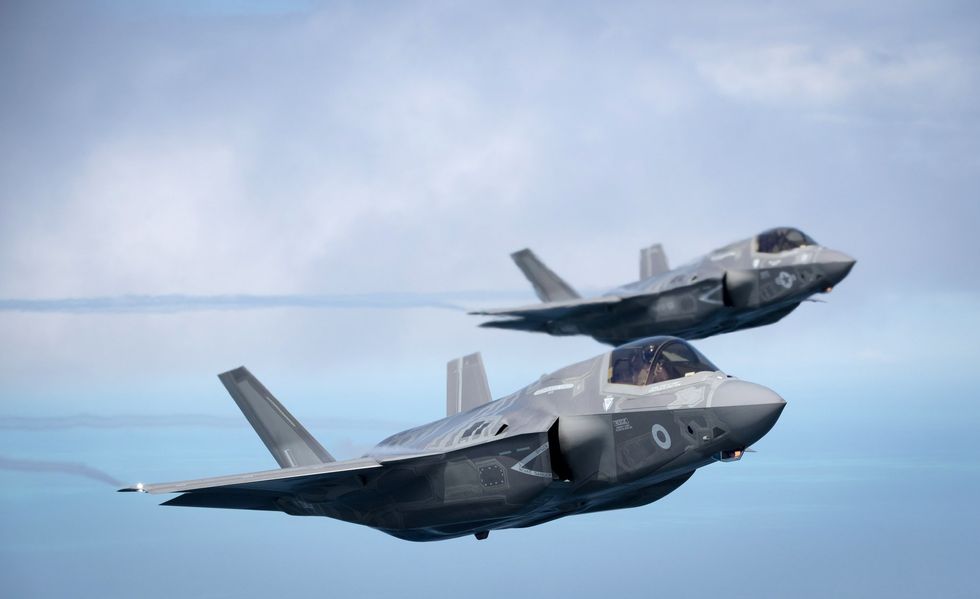
British stealth fighters have been deployed to Cyprus amid US tensions with Iran
|GETTY
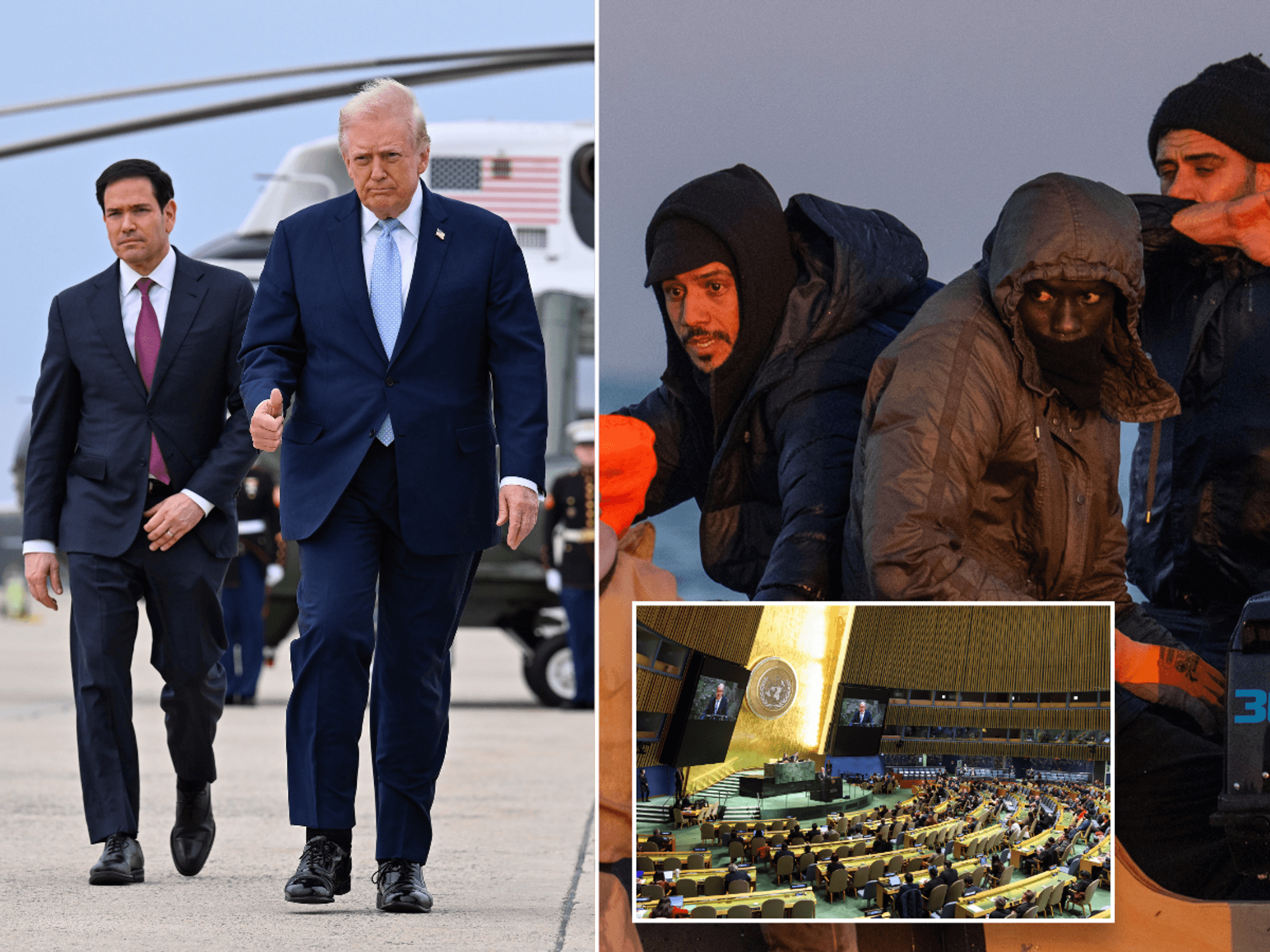
Speaking aboard Air Force One, President Donald Trump expressed optimism: "We had very good talks on Iran, Iran looks like it wants to make a deal very badly."
Iranian Foreign Minister Abbas Araghchi offered a similarly upbeat assessment, characterising the session as "a good start" conducted "in a very positive atmosphere".
He confirmed that "our arguments were exchanged and the views of the other side were shared with us" and that negotiations would continue, with the format for subsequent rounds to be determined later.
LATEST DEVELOPMENTS
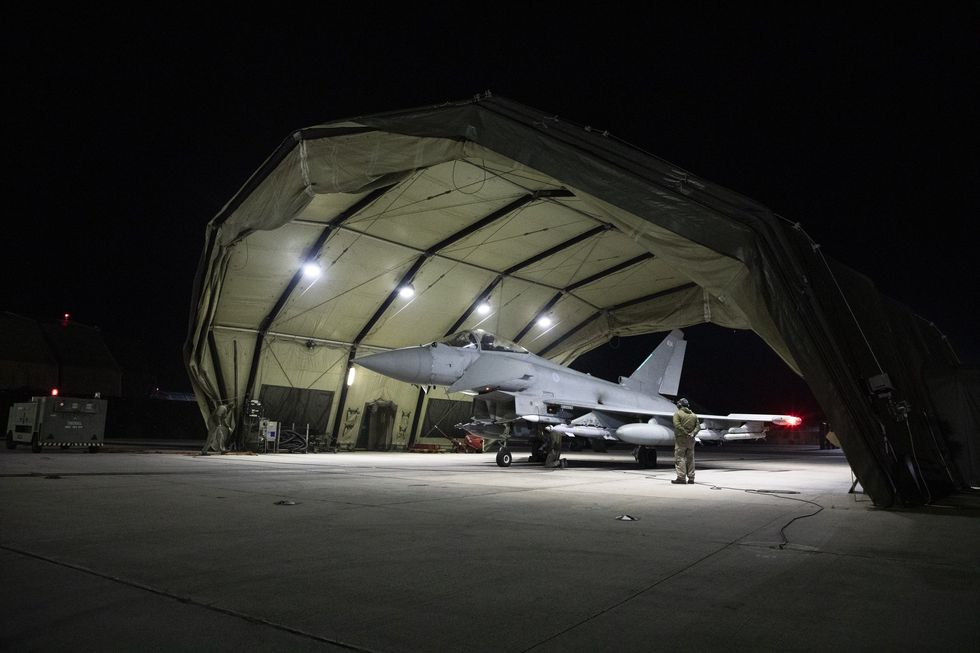
The state-of-the-art aircraft squadron will join other UK assets sent to the region
|GETTY
Despite the diplomatic overtures, American military assets in the Gulf region have swelled to levels surpassing those observed before last June's Operation Midnight Hammer strikes.
The USS Abraham Lincoln carrier strike group, equipped with F-35 stealth fighters and accompanied by destroyers armed with Tomahawk cruise missiles, has taken up position in the Arabian Sea.
Additional assets include approximately a dozen F-15 fighters, MQ-9 Reaper drones, A-10C ground attack aircraft, and Osprey supply planes operating from bases across Jordan and Oman.
At least three E-11A battlefield communications aircraft are now positioned at Al-Kharj Air Base in Saudi Arabia, compared with just one during the previous operation to target Iran’s nuclear weapons programme.
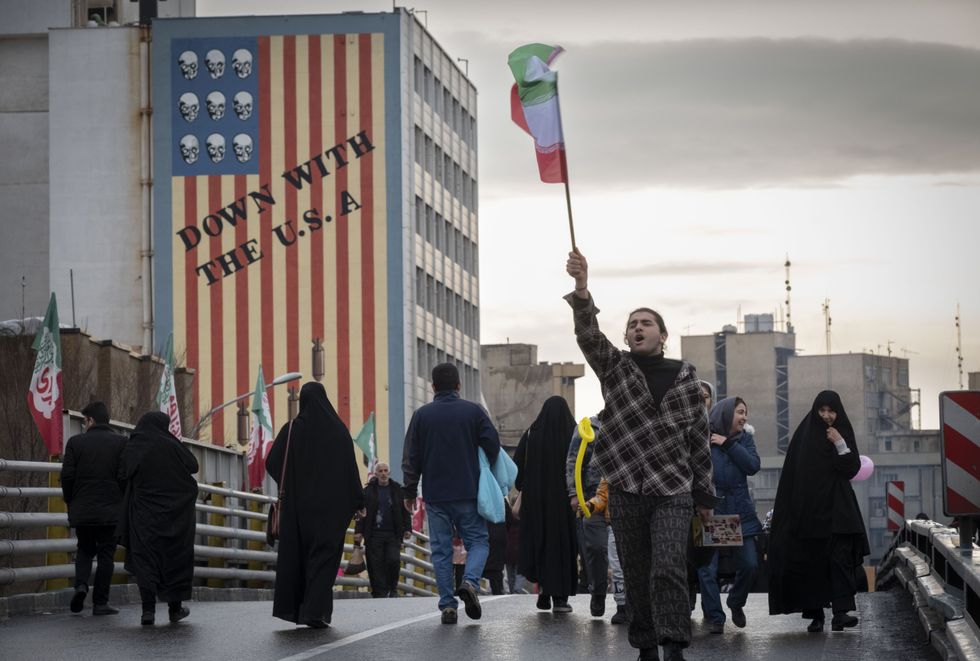
The US has massively increased its military presence in the region around the Islamic Republic
|GETTY
Last Tuesday, an Iranian drone that "aggressively" approached the USS Abraham Lincoln was shot down in a sign of the febrile nature of the region.
Open-source defence analyst Stefan Watkins has monitored the arrival of numerous early-warning and surveillance aircraft, noting that this pattern "might suggest that strikes are coming sooner rather than later", as reported in The Times.
Even still, the prospect of renewed military action faces significant opposition from key regional partners.
Saudi Arabia and the United Arab Emirates have refused to permit their airspace to be used for strikes and have cautioned against attacking a weakened and cornered Iran without any guarantee of success.
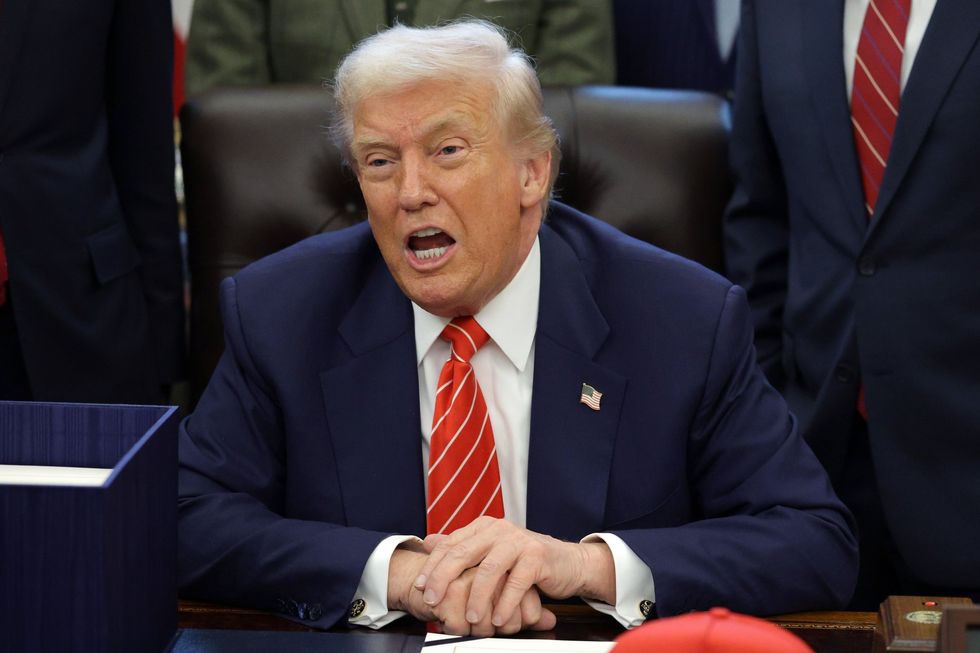
President Trump said he held 'very good talks on Iran' and that the country 'wants to make a deal very badly'
|GETTY
Administration officials have indicated that Trump himself remains doubtful about military intervention, with one senior official revealing that, unlike last June, President Trump no longer views Iran's nuclear activities as posing "a legitimate, imminent threat".
"It's really the Israelis who want a strike. The President is just not there," the insider told Axios.
Meanwhile, Israeli Prime Minister Benjamin Netanyahu has been lobbying Washington intensively for comprehensive strikes against Tehran's ballistic missile capabilities, dispatching military and intelligence officials to make the case.
Our Standards: The GB News Editorial Charter
More From GB News