











British farmers have branded the Government's visa regulations for overseas sheep shearers a "farce", with a crippling three-month processing backlog threatening animal welfare across the country.
Despite a last-minute extension to the seasonal visa concession scheme, the National Association of Agricultural Contractors estimates more than 1.5 million sheep could remain unshorn without professional shearers from abroad.
The Home Office announced what it called "a final extension" to the sector, stating it now expects farmers to "complete its transition to using domestic labour".
Farmers dismiss this expectation as entirely unrealistic, given the specialist skills required and the brevity of the shearing window.
TRENDING
Stories
Videos
Your Say
Jack Holland-Spinks, a New Zealand shearer preparing for another season in southern England, describes the gruelling reality of the profession.
"It's pretty full on", he told the Telegraph, describing 10 hours in a paddock conducting physical work, shearing up to 350 sheep a day.
"It's a really skilled job too and you guys need us", he said, with sheering essential not just for wool production, but to protect animal health.
Sheep must be shorn during warmer months to prevent overheating and a condition known as fly strike, where insects lay eggs in soiled areas of the fleece, hatching maggots that burrow into the animal's flesh.
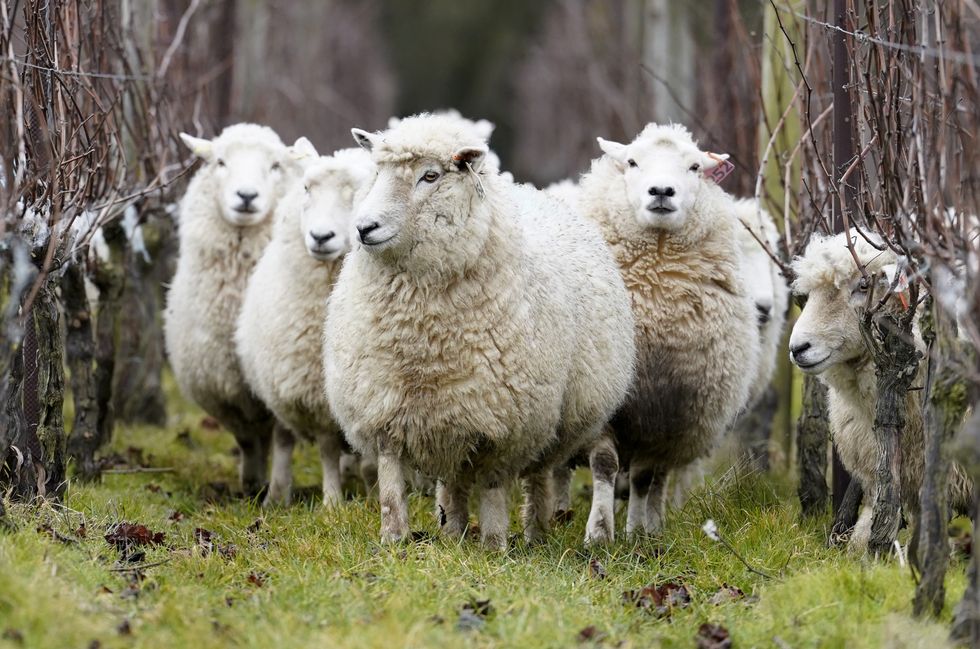 British farmers handed yet another blow as Home Office visa rules could mean millions of sheep go unshorn | PA
Mr Holland-Spinks noted that when he worked in Britain two years ago, farmers would have struggled without New Zealand shearers.
The farming industry argues that building a domestic workforce capable of meeting demand is simply not feasible within any reasonable timeframe.
"It's a farce at the moment," said Ian Lucas, chairman of the National Association of Agricultural Contractors' shearing committee.
He explained that few British workers want to undertake such physically demanding, highly skilled labour for what amounts to a very short season, offering no prospect of year-round employment.
LATEST DEVELOPMENTS:
Reaching the required standard takes years of practice, with top shearers handling up to 20,000 sheep per season.
James Latter, who farms 12,000 sheep at Whixall Hall Farm near Whitchurch, learned his skills through a reciprocal arrangement in New Zealand.
"We can't just manufacture more shearers overnight, or even in 12 months," he said.
Meanwhile, the National Sheep Association estimates only 50 to 75 visas are actually needed.
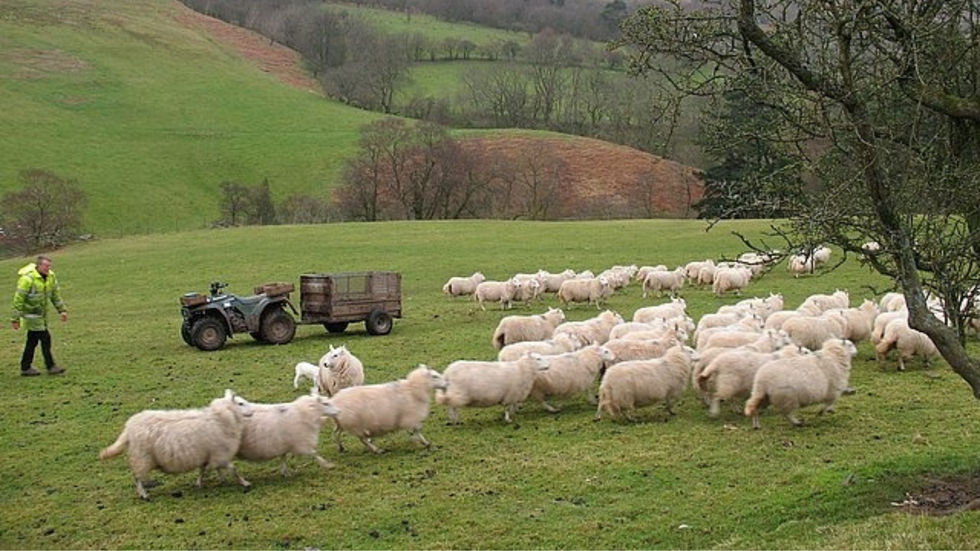
The Home Office expects farmers to 'complete its transition to using domestic labour'
| GB NewsCommunication between Government departments also appears to have broken down over the issue.
At an environment, food and rural affairs committee meeting in early March, Defra's permanent secretary Paul Kissack admitted: "I do not know what our plan is; I do not know if anyone on the panel does."
Iain King, Defra's chief financial officer and acting chief operating officer, acknowledged at the same meeting that he had never visited a farm.
The Home Office maintains that UK Visas and Immigration "do not recognise delays in processing these visa applications".
Alistair Carmichael, Liberal Democrat MP and chair of the Environment, Food and Rural Affairs Committee, said departments simply are not communicating effectively.
"We need to make Government work much, much better than this," he said, calling for ministers to witness large-scale shearing operations firsthand.