











Britain's ceramics industry has been “ignored where it matters most” in Government energy support schemes, the trade body says.
The £2billion sector, which ranges from the famous Stoke potteries to vital defence components, says it has been “excluded” from relief offered to others because it depends more upon gas than electricity.
The Government announced this week that it has extended the British Industrial Competitiveness Scheme (BICS) from 7,000 companies to more than 10,000.
The BICS, which sees eligible firms exempt from three green levies, can cut electricity bills by up to 25 per cent.
TRENDING
Stories
Videos
Your Say
But the ceramics industry requires extremely high temperatures that usually demand gas. Because 86 per cent of the sector’s energy use is gas, this also leaves it “exposed to broader energy volatility, particularly in light of ongoing global events”.
Rob Flello, chief executive of Ceramics UK, said that despite “warm words” from the Government, his industry had been overlooked.
He said that further support on energy costs “is urgently needed to protect the UK ceramic industry”.
It was “disappointing” his sector had been left lacking support despite repeated overtures to the Government.
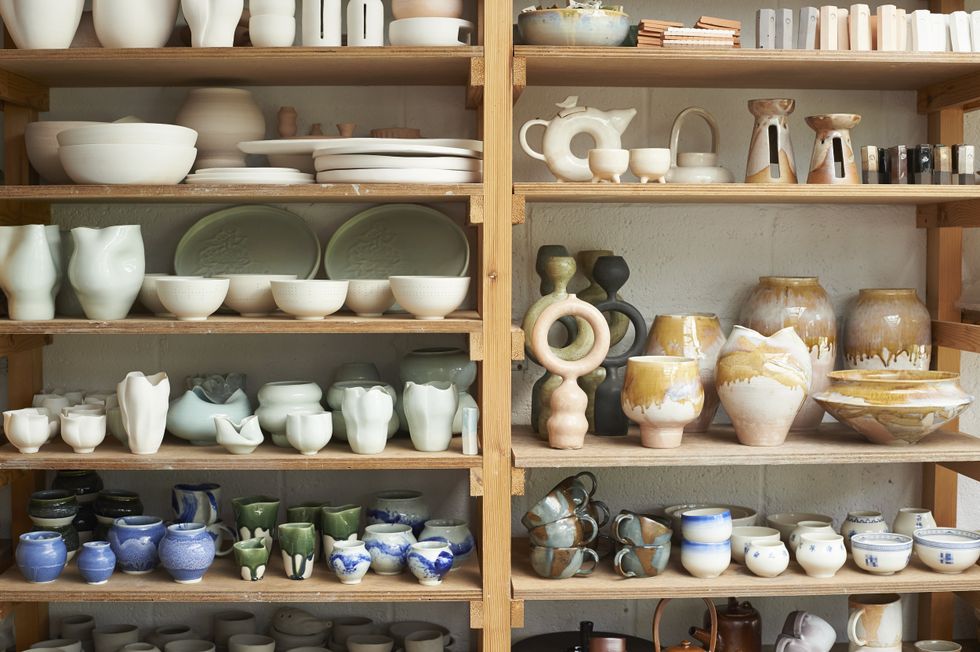
Rob Flello, chief executive of Ceramics UK, said that despite 'warm words' from the Government, his industry had been overlooked
|GETTY
He explained: “We have heard warm words from Government on multiple occasions about the heritage, skill, innovation and critical position of ceramics within UK manufacturing, only to be, once again, excluded from vital energy support.
“The ceramics sector is critical to the UK economy, contributing over £2billion each year and producing items and components that are used in homes and businesses across the country and the world.
“We don’t yet have the technology or necessary infrastructure to operate without gas, so it’s increasingly important that the Government consider the broader impact of all energy costs, not just electricity.”
He said that criteria for the BICS support was “baffling” and called for it to be rethought.
LATEST DEVELOPMENTS:
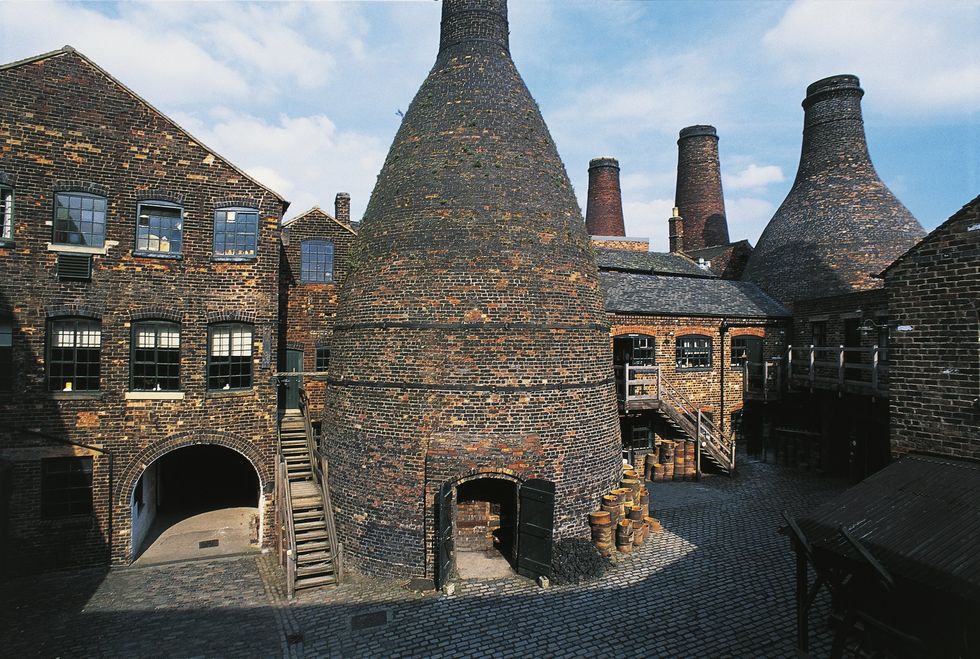
Further support on energy costs 'is urgently needed to protect the UK ceramic industry'
|GETTY
He said: “At the moment, our industry is being ignored and, while the Secretary of State for Business and Trade, Peter Kyle, has committed to speak to the sector specifically, I cannot stress enough how urgent it is that we see swift intervention on energy bills for our members.
“Ceramics UK are calling for an immediate reconsideration of the BICS criteria, where it is particularly baffling that certain ceramic goods are excluded from eligibility while comparable products from other sectors are being included.”
Unions have backed his plea. Gary Smith, general secretary of the GMB, said: “Gas-intensive industries in the UK have been shamefully ignored by the Government in this announcement – it’s a total disgrace.
“GMB members grafting in our world-famous ceramics sector and making the bricks that build our nation are sickened at the lack of support.
“Workers in manufacturing companies across the UK need urgent help – this isn’t it.”
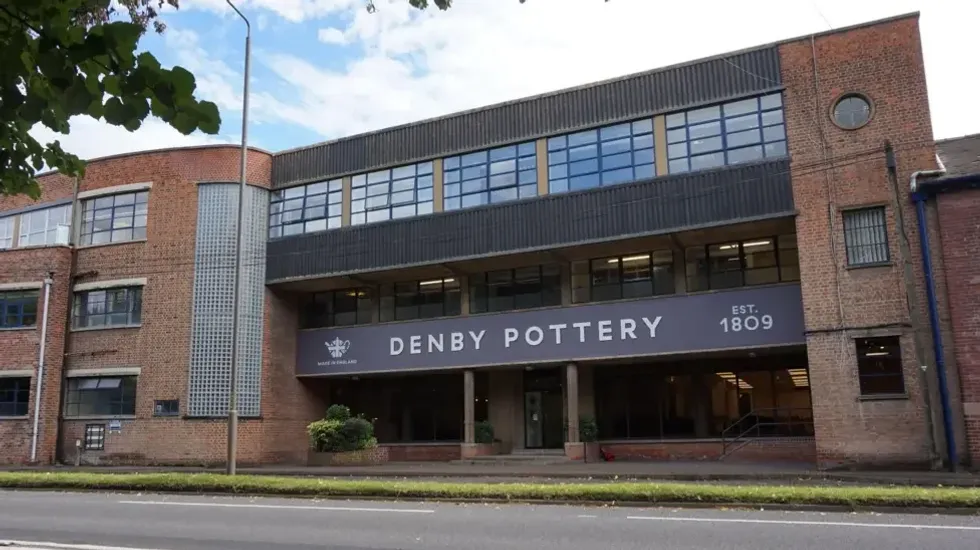 The ceramics industy employs more than 20,000 people and generates over £2billion a year in sales | DENBY POTTERY
The cry for help comes weeks after world-renowned Denby ceramics said it was calling in administrators.
The 217-year-old company says it has struggled with rising costs.
CEO Sebastian Lazell has said he is “trying to move heaven and earth” to rescue the business and a #SaveDenby campaign is encouraging people to buy more products and lobby Government to provide support.
In 2023, Johnsons Tiles closed its UK factory, and last year, Royal Stafford, which was founded in 1845, entered liquidation, citing energy costs and falling orders.
The ceramics sector is not limited to porcelain and tableware. It plays a critical role in other industries, from construction to aerospace.
A Government spokesman said: "We know this is a difficult time for historic industries like potteries and ceramics which have always been a point of pride in this country.
"We regularly meet with Ceramics UK and trade unions to discuss support for the sector, and we encourage the industry to help shape any potential changes to the Supercharger scheme when we consult later this year."