








Residents across the country have been left frustrated after councils introduced recycling schemes with some households now required to manage as many as eight separate bins.
In Cardiff, families are already juggling up to seven different containers to dispose of their rubbish properly - soon to become eight.
General waste, glass, food scraps, paper and cardboard, plastics and cans must all be stored in separate containers, with additional optional bags available for nappies and garden waste.
The situation is set to become even more demanding this summer when new 30-litre bags specifically for soft plastics will be distributed to Cardiff households, with items such as packaging, cling film and crisp packets will need to be collected separately, adding another layer to an already complex system.
Residents in the Welsh capital have voiced their frustration with the current arrangements. Ann Ayre, a 70-year-old living in the Cathays district, described the waste disposal system as a "disaster."
"They use these sacks, they come and empty them but never put them back where they were," she said.
For working parents, the demands of sorting household waste have become particularly burdensome.
Carys Waters, a 33-year-old mother of two, told The Telegraph she was dreading the prospect of dedicating even more time to managing her family's rubbish.
"It's already a lot having to separate everything," she said. "As a mother, I don't really have time."
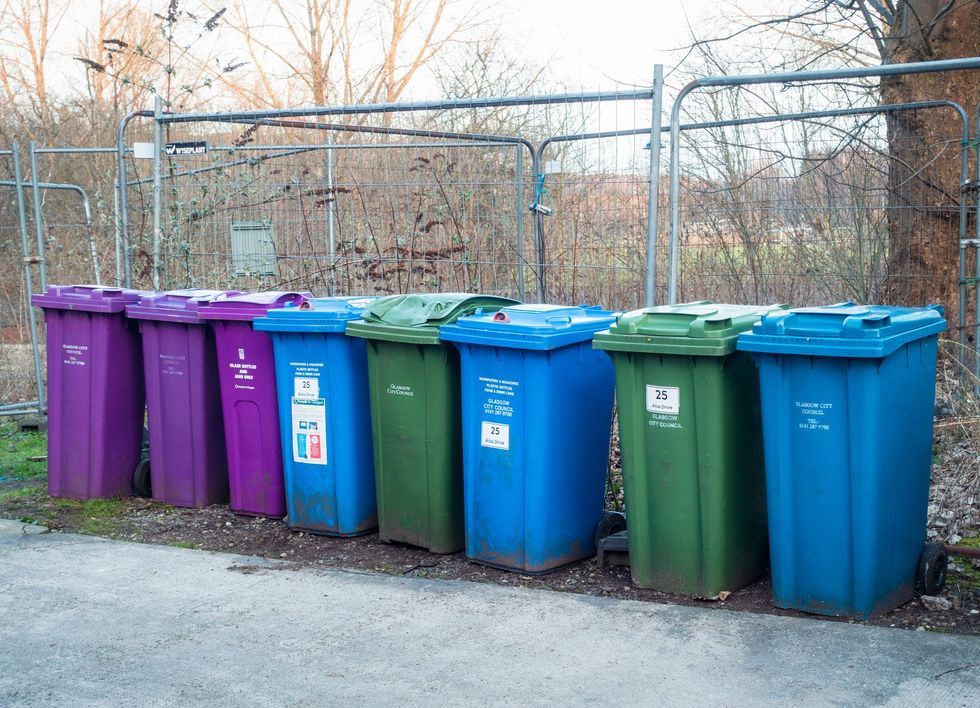
Bins across England are set to be standardised (file pic)
|GETTY
Conservative councillor Jayne Cowan acknowledged that the growing number of recycling receptacles places increasing responsibility on residents to manage multiple waste streams, adding: "While the intention is clearly to improve recycling rates, it is important that systems remain as simple and practical as possible for people to use day to day."
A Cardiff Council spokesman said: “Cardiff council recognises that residents are already engaging well using the new recycling system, with more waste being separated correctly instead of going into the general waste (black bags).
"This positive effort is helping the city move closer to the Welsh Government’s 70 per cent recycling and composting target.
"The council will continue to listen to residents and make changes where needed, while working to improve the recycling and composting rate in line with national targets."
LATEST DEVELOPMENTS
- Huge new change to bin collection rules across England with eye-watering fines for non-compliance
- Britain's 'poshest binman' rakes in £625k-a-year as 'council services aren't up to speed'
- Labour's new recycling scheme branded a 'joke' as THOUSANDS of collections missed and binmen caught mixing separated rubbish
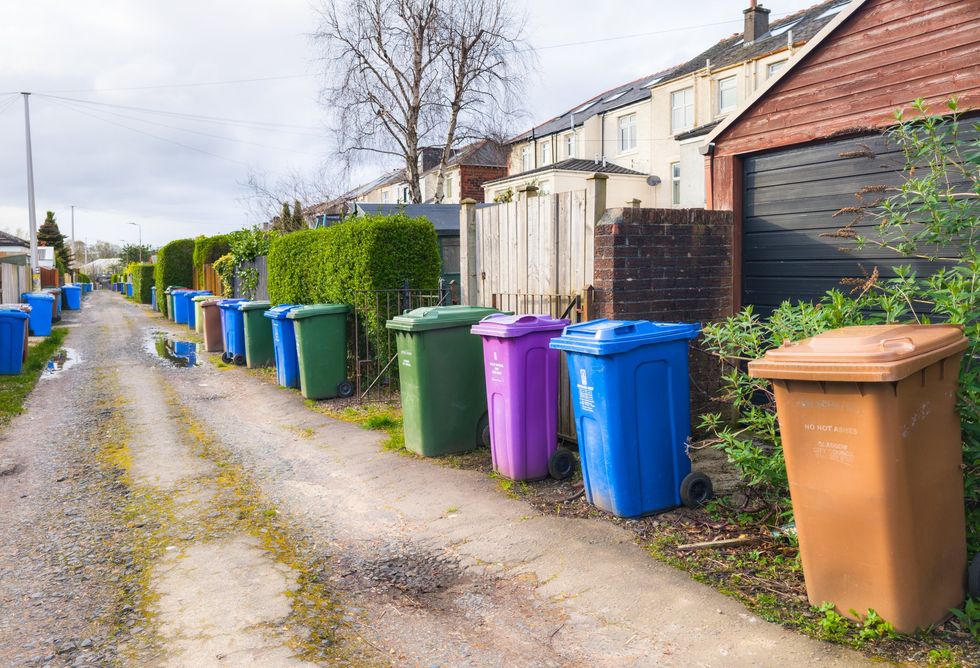
The number of bins has caused confusion across the country
|GETTY
However, it's not just in Cardiff where people are seeing the new measures being brought in.
In West Suffolk, run by a coalition of Labour, the Greens and the Liberal Democrats, residents must now accommodate five separate bins under the new arrangements.
From June, West Suffolk will need to use indoor and outdoor food caddies collected weekly, a grey bin with a green lid for paper and card collected every four weeks.
On top of this, there's also a blue mixed recycling bin on the same schedule, a brown garden waste bin requiring payment for fortnightly collection, and a black bin emptied every two weeks.
Becky Trushell said: "It is completely confusing. It’s overwhelming...It just seems a bit excessive."
A West Suffolk council spokesman said: "As part of changes to waste and recycling services, residents are receiving a new green-lidded bin to use alongside their existing ones. For homes where space is limited, they may get a smaller box instead."
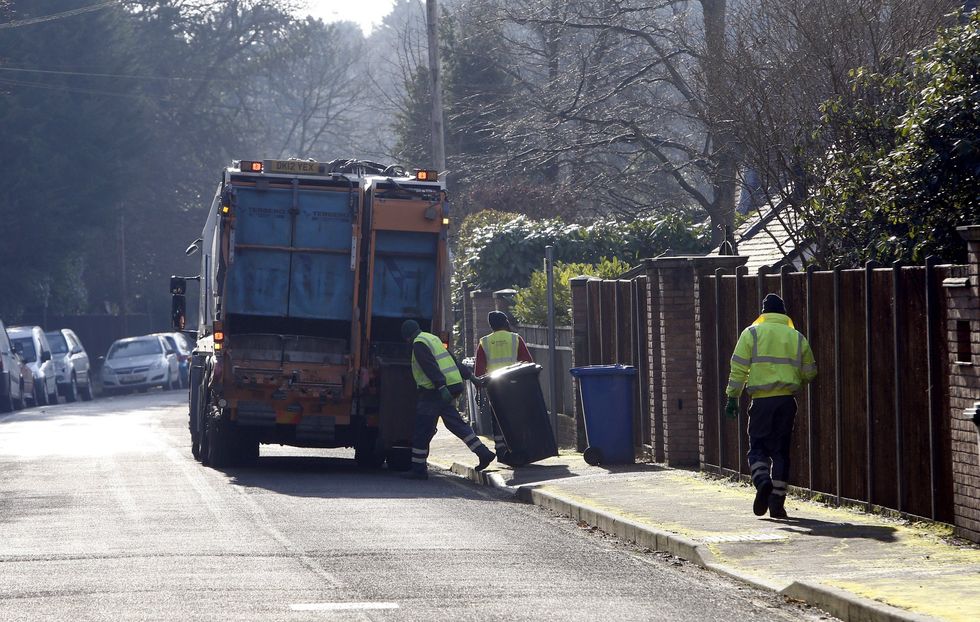
Elderly residents have expressed concern about the weight of the bins
|PA
For elderly residents, the new heavy wheelie bins have created practical difficulties.
In North Lincolnshire, Joyce Dawson, 88, who has lived in Scunthorpe with her 97-year-old husband Victor for over six decades, has had her mobility affected by a stroke.
She said: "The little box was handy for me as I didn’t have to keep going in and out, now I’ve got to go into my yard, and it is a bit of effort.
"It’s putting cardboard, plastic, tins and glass all together. It makes the whole thing very heavy. A lot of it [recycling] just goes in the kitchen bin...It feels like we’re doing most of the dustmen’s work bringing the bins down to the front.”
North Lincolnshire council leader Rob Waltham said: “We have worked with residents and delivered a whole-system change for household waste, collecting food waste weekly alongside a free garden bin collection, one of very few councils in the country to keep that, all of that one year ahead of the Government deadline."

North Lincolnshire Council has defended the proposals for waste collection
|GOOGLE MN
In March, new rules for household waste and recycling came into force as part of efforts to standardise collections across England.
The Government said the new rules will standardise sorting and collections across the country and ensure more high-quality recycled material can be processed domestically and used by manufacturers to make new products.
It is hoped the rules will also reduce planet-heating carbon emissions as less rubbish burned, support the growth of the UK’s reprocessing industry, and cut other environmental and social impacts of waste disposal.
A Defra spokesman said: "Our Simpler Recycling reforms address the concern about different recycling rules across the country by bringing greater consistency and ending the confusion over what goes in each bin.
"This will help keep our streets cleaner, while empowering local authorities to continue to deliver services in the way that works best for their communities."