







A BBC documentary on the British Empire has been accused of "doing violence to the truth in a breach of its own impartiality guidelines".
Empire, a three-part series presented by British-Nigerian writer David Olusoga, charts the UK’s colonial expansion from Tudor times to the First World War.
The broadcaster's documentary, available on BBC Two and iPlayer, claims to "explore the history and legacy of the British Empire, how it shaped Britain and the world and how it continues to shape the identities of billions of people".
Academic and life peer Nigel Biggar took issue with Mr Olusoga’s work, arguing it told an "overwhelmingly negative story".
After first raising his concerns over its impartiality earlier this year, Lord Biggar doubled down and raised the matter once again with the BBC.
But he remained "dissatisfied" that the public broadcaster had answered his complaint, insisting that it "still will not confront the central issue".
"The BBC has now answered my second complaint about David Olusoga’s Empire," he started.
"It still will not confront the central issue: whether a series that tells an overwhelmingly negative story about the British Empire, on a highly controversial subject, can really satisfy the Corporation’s own standards of impartiality.
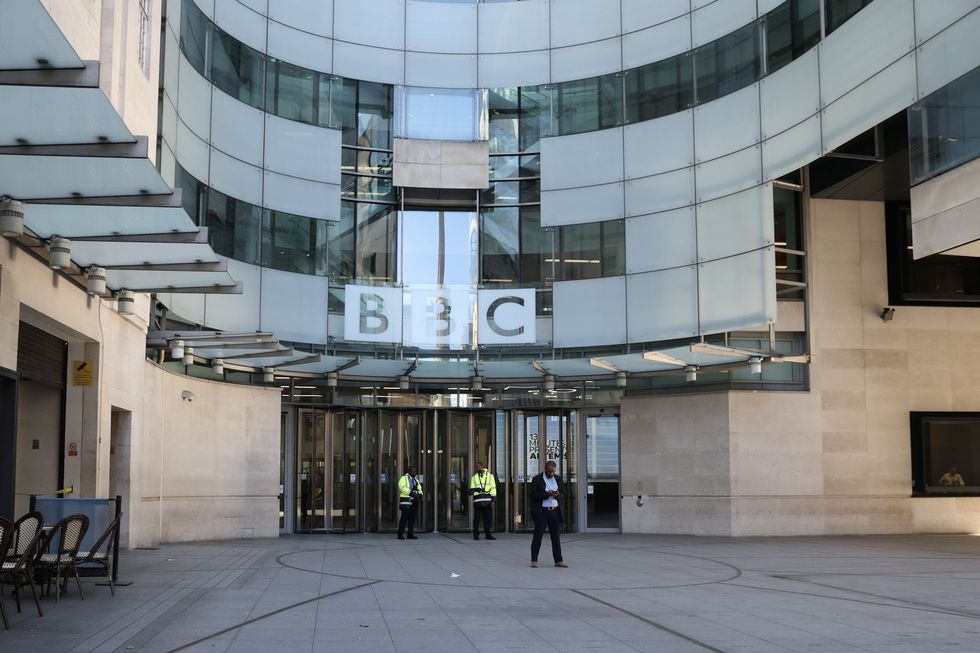
The peer set out four ways he believed the BBC broke its own rules
|GETTY
"I do not believe it can. So I am escalating again."
He set out four ways he believed the BBC broke its own rules.
First, he argued that the documentary failed to give a voice to an "appropriate range of significant views" in its discussion of a set of "highly and activley controversial" historical and political issues.
Secondly, the life peer argued that Mr Olusoga's selection of "marginalised or overlooked histories" was "racially discriminatory and political biased".
LATEST DEVELOPMENTS:
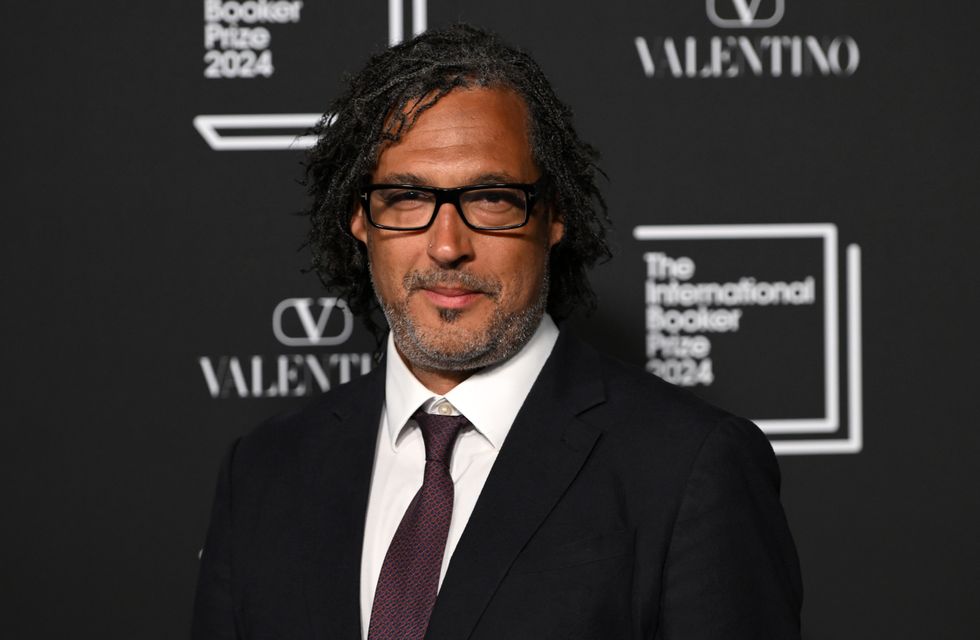
David Olusoga appeared on the Celebrity Traitors last year
|GETTY
Next, he asserted that the documentary was not clearly labelled as an opinion piece - nor does it "acknowledge an appropriate range of alternative views or give them proper weight".
Lastly, the Oxford academic noted that the none of the other programmes which are listed as "offering balance over time is as overwhelmingly positive as Empire is overwhelmingly negative".
He admitted that the series cannot be expected to tell the "entire" story of the Empire - but criticises the way it "purports to tell a coherent narrative as a whole".
"And that is what it does—in an overwhelmingly negative way that does violence to significant parts of the whole truth," he added.
Lord Biggar was not the only senior academic to take issue with the controversial documentary.
Back in November, Professor Lawrence Goldman, an emeritus fellow at St Peter’s College, Oxford and member of the History Reclaimed campaign group, said the show "isn’t interested in much beyond victimhood".
He argued the programme focused on the UK’s involvement in slavery, but omitted efforts to spread democracy and improve educational standards worldwide.
Professor Goldman claimed Mr Olusoga took key pieces of information about Britain’s history out of context.