





The BBC’s broadcast of this year’s Eurovision Song Contest 2026 final attracted just 5.2 million viewers, marking the competition’s smallest audience in more than 15 years.
According to Eurovision fansite Eurovoix, the figure represents a drop of 1.49 million viewers compared with 2025, when 6.7 million people tuned in to watch the annual contest.
The semi-finals performed even more poorly, with audiences of around 1.3 million and 1.2 million for the Tuesday and Thursday broadcasts, respectively.
The figures reflect live viewing only and do not include streaming audiences.
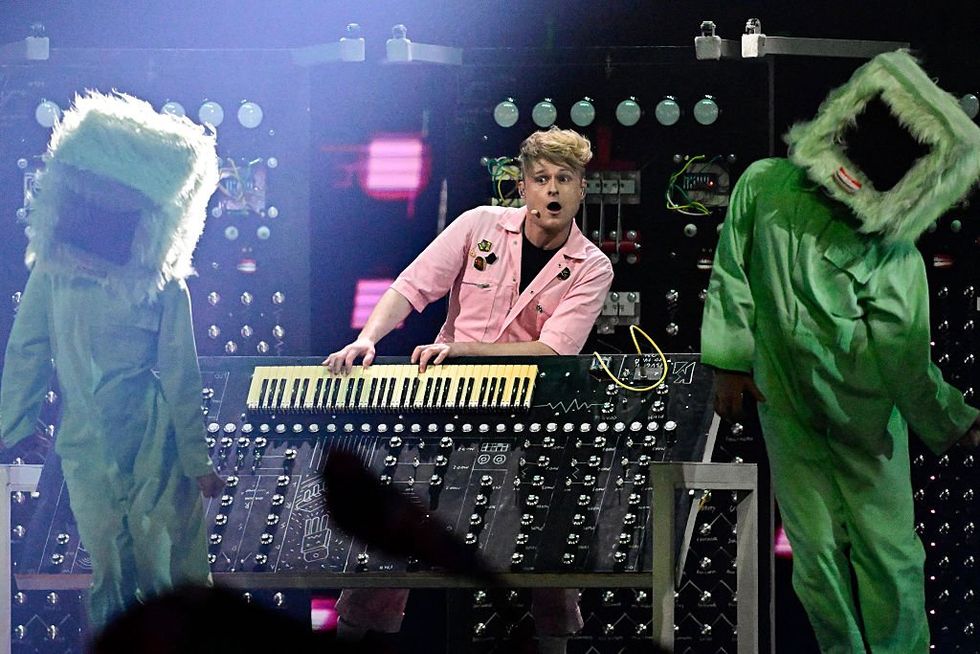
Look Mum No Computer finished bottom of the Eurovision leaderboard
|GETTY
The UK was not alone in experiencing falling interest, with Sweden and France also reporting significant declines in Eurovision audiences this year.
Britain’s representative, Look Mum No Computer, whose real name is Sam Battle, finished bottom of the leaderboard.
His original song, Eins, Zwei, Drei, received just one point from Ukraine’s jury, while the public vote awarded the act nothing at all.
It marks the third consecutive year the UK’s Eurovision entry has failed to secure any televote support.
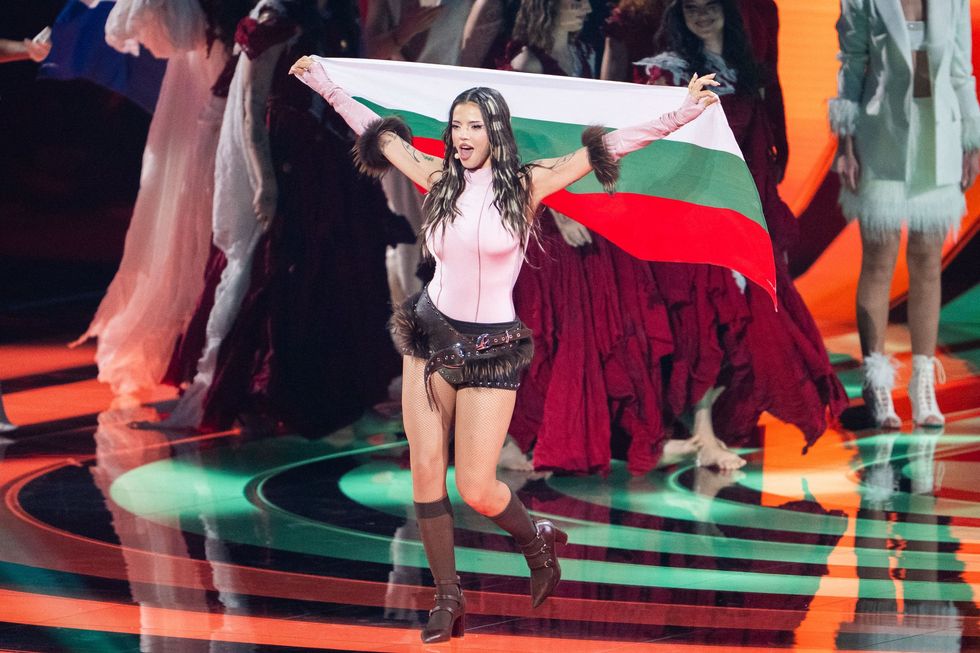
Bulgaria's Dara won the Eurovision Song Contest 2026
| GETTYThe United Kingdom has now finished last six times since 2000, including Saturday's result.
Reflecting on the outcome in a post on Instagram, Mr Battle wrote: “Bulgaria honestly deserved [the] winner! Met a lot of amazing folk.
"The most important thing is we all tried our hardest.”
Bulgaria won Eurovision for the first time in the competition’s history, with Dara taking victory thanks to the upbeat dance track Bangaranga, which amassed 516 points.
LATEST DEVELOPMENTS
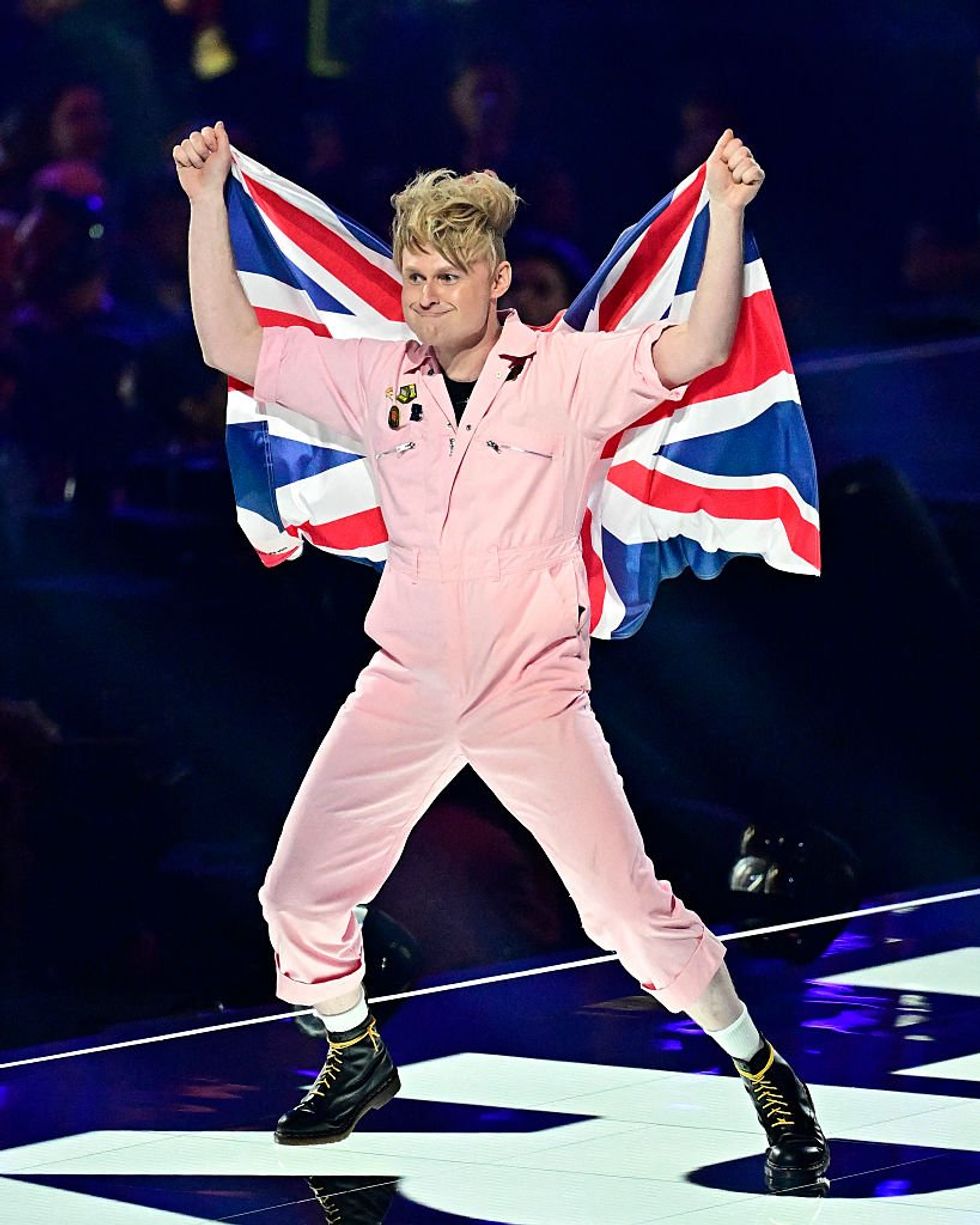
The BBC’s broadcast attracted just 5.2 million viewers
|GETTY
The result was particularly notable as it marked the first time since 2017 that both the professional jury and public televote selected the same winner.
Bulgaria’s triumph came after the country had been absent from the competition for five years, making the comeback victory all the more remarkable.
Israel, represented by Noam Bettan, finished in second place for the second consecutive year.
The 71st edition of Eurovision will now head to Sofia, Bulgaria following Dara’s victory in Vienna.
Controversy surrounding Israel’s participation in the contest has coincided with a steady decline in British viewing figures.
A vote among competing national broadcasters late last year determined that Israel would remain eligible to compete in 2026.
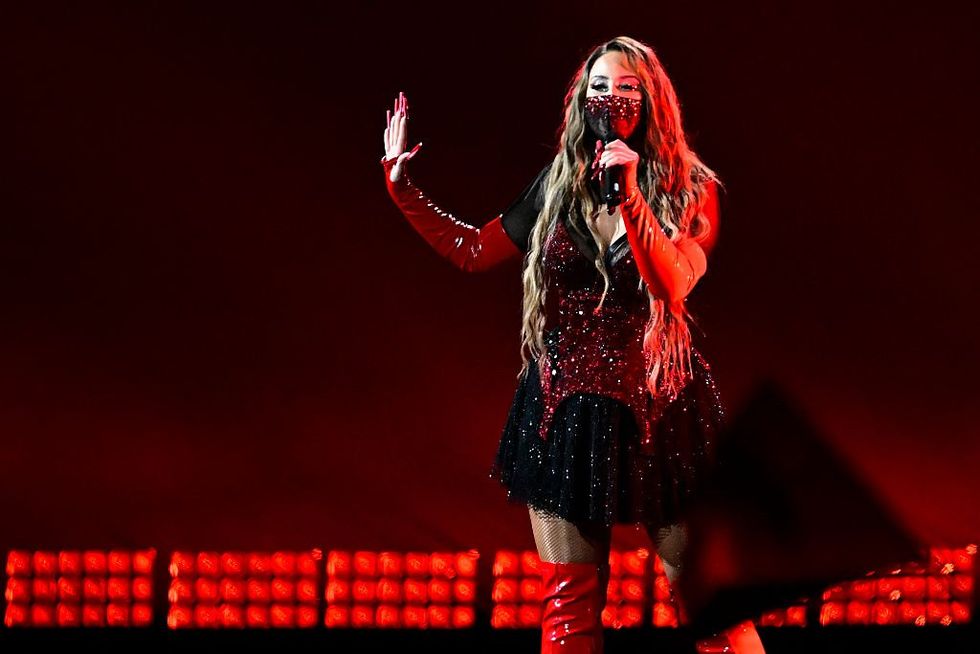
Sweden also reported significant declines in viewership this year
|GETTY
Following the decision, five countries withdrew from the competition in solidarity with Palestine.
Among those to pull out were Ireland, which shares the record for the most Eurovision wins, and Spain, previously one of the contest’s Big Five nations whose financial contributions guaranteed automatic qualification for the final.